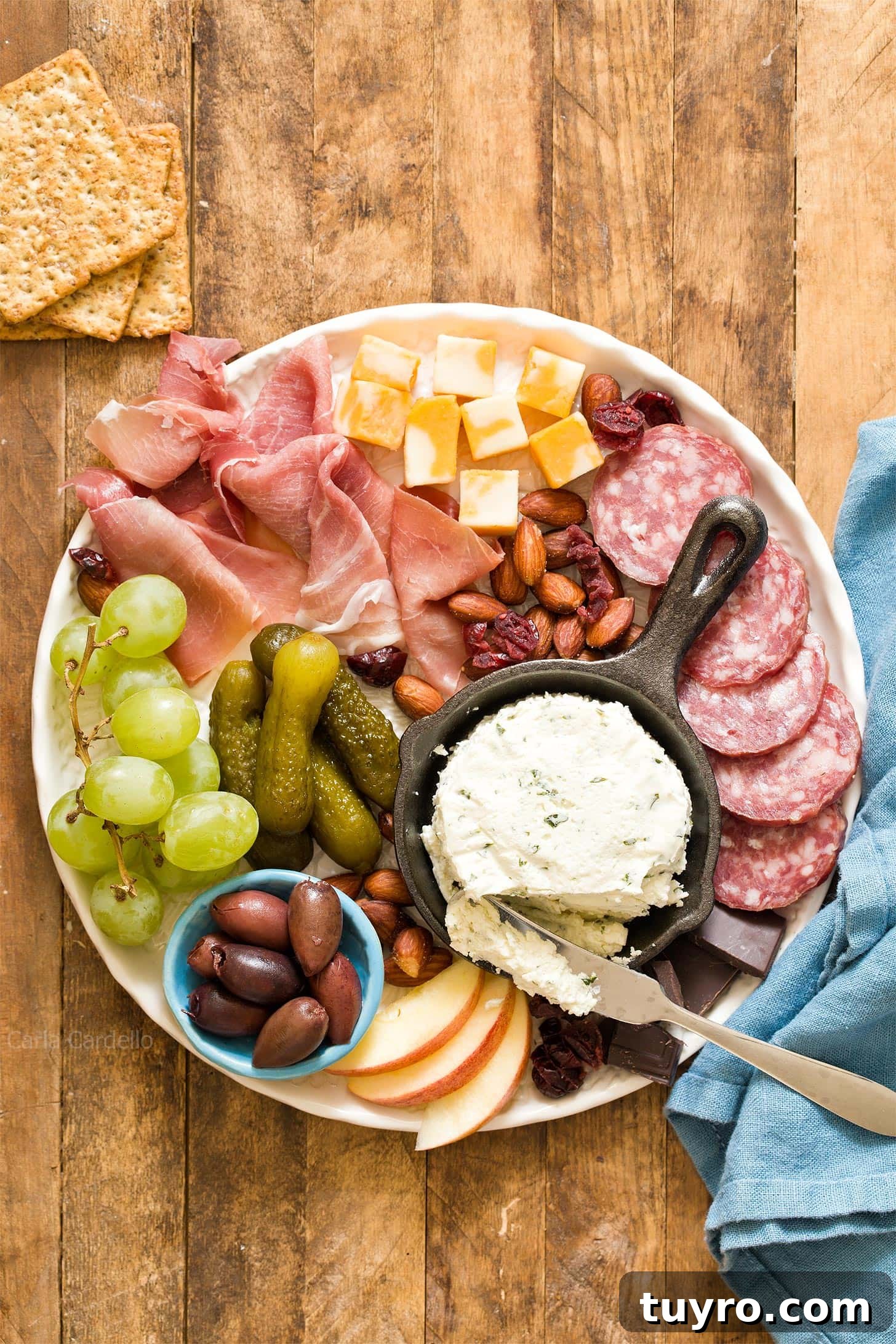
Entertaining a friend or partner for the holidays? Learn how to make a Small Charcuterie Board for two — perfect for a date night — with a shopping list and guidance on portions and assembly.
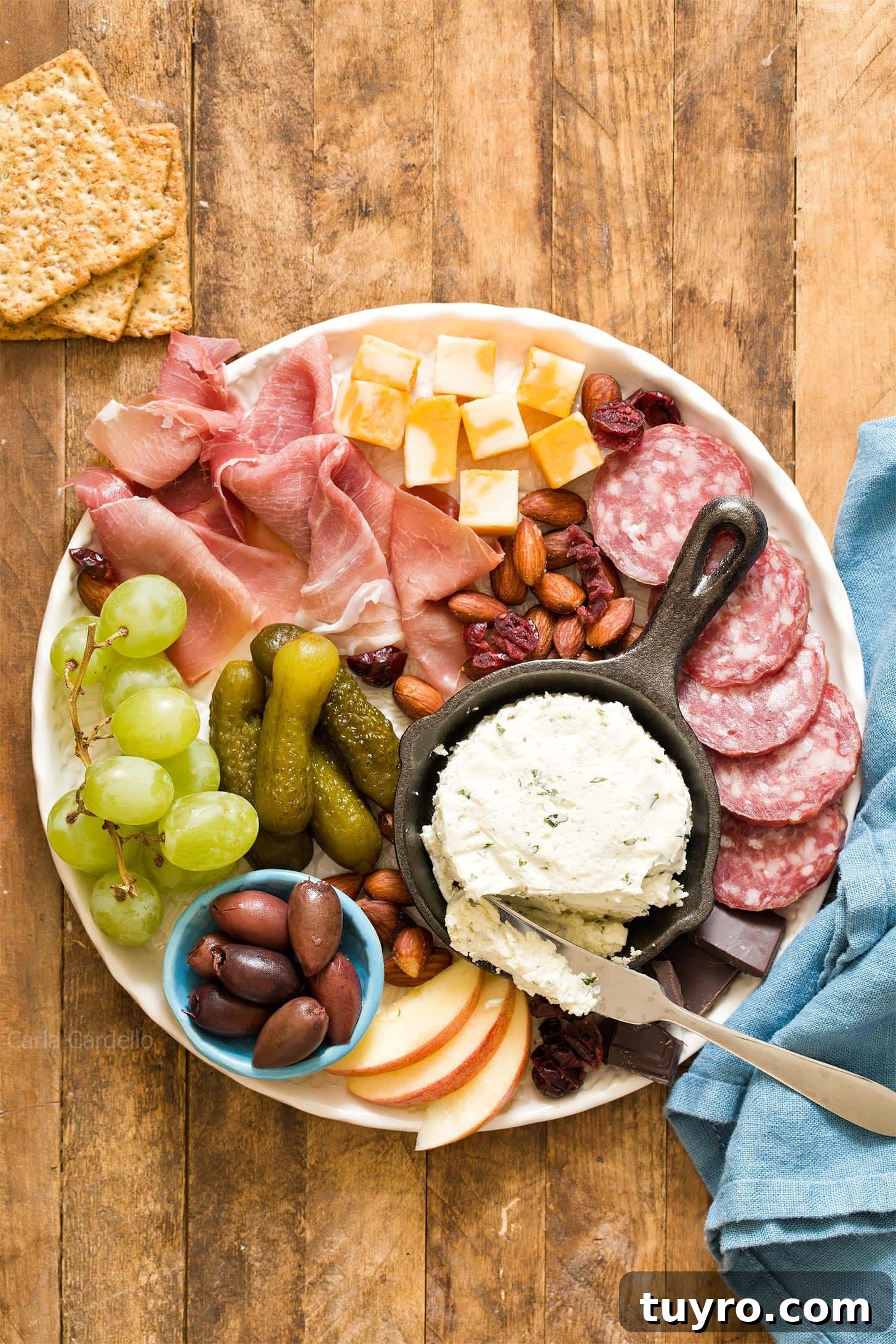
Holidays often mean hosting, but you don’t always need to feed a crowd. A small, well-composed charcuterie board is an easy, elegant option when you’re spending time with one special person or a close friend.
I prefer intimate gatherings over large parties, and a compact charcuterie board lets you offer something impressive without spending the evening in the kitchen.
This guide covers what to buy, how much to prepare, and the order to arrange items on a Small Charcuterie Board for Two so you can relax and enjoy the evening.
What is the best board to use for charcuterie?
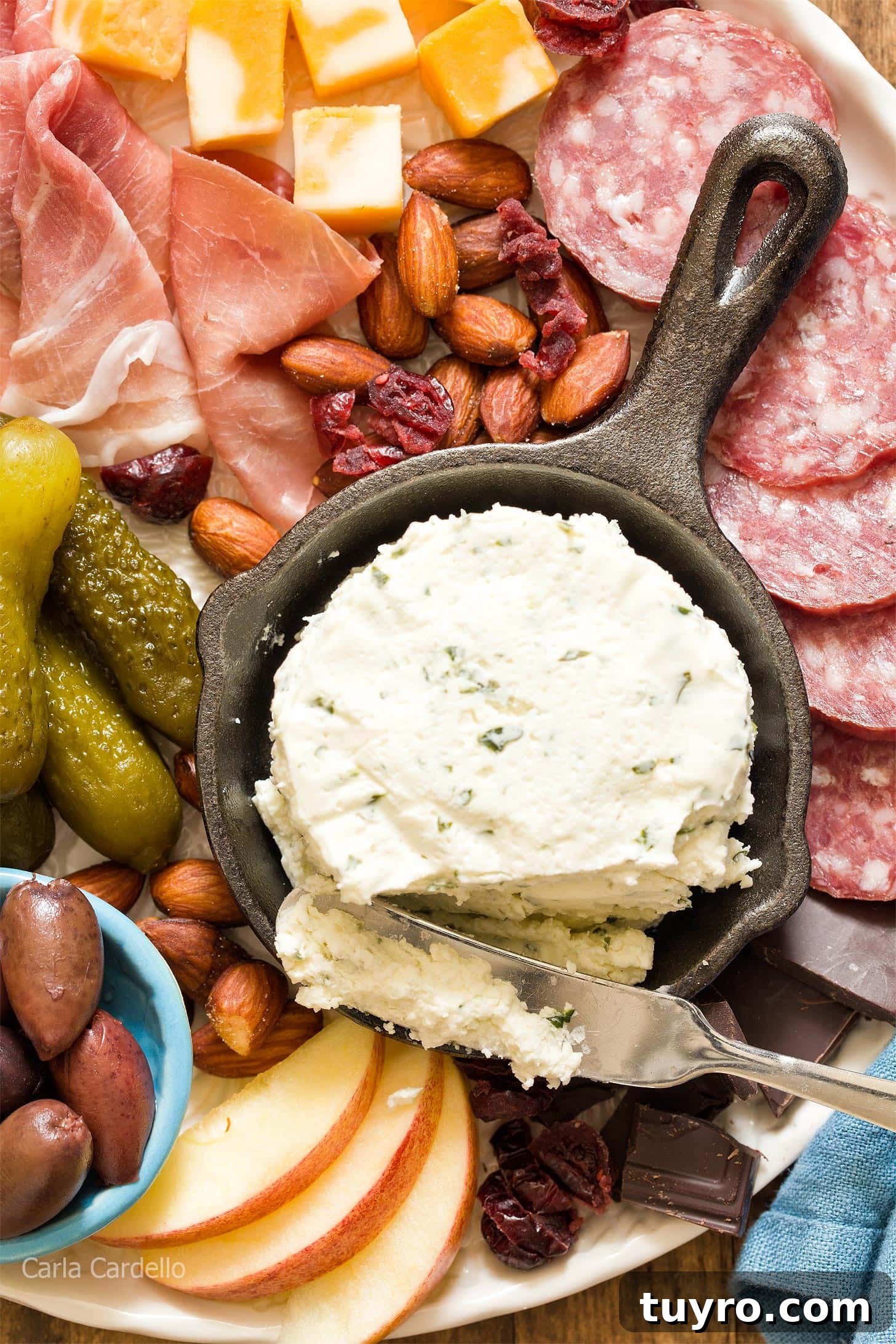
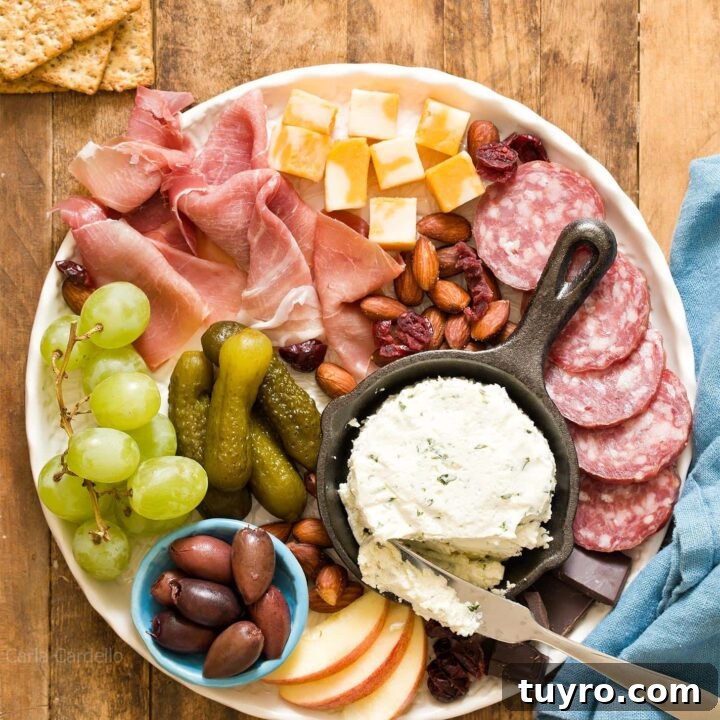
Traditional boards include wooden cutting boards or slate, but you can use almost any flat surface. For my small cheese board I used a large white dinner plate, which works well for two people. Platters, aluminum serving trays, or even a large ceramic platter are all great alternatives.
If you want to keep costs down, thrift stores are excellent places to find plates, platters, small bowls, and even wooden boards. You might also pick up small spreaders or forks there. Big-box stores carry basic serving pieces, and specialty retailers offer higher-end options if budget allows.
What to put on a small charcuterie board
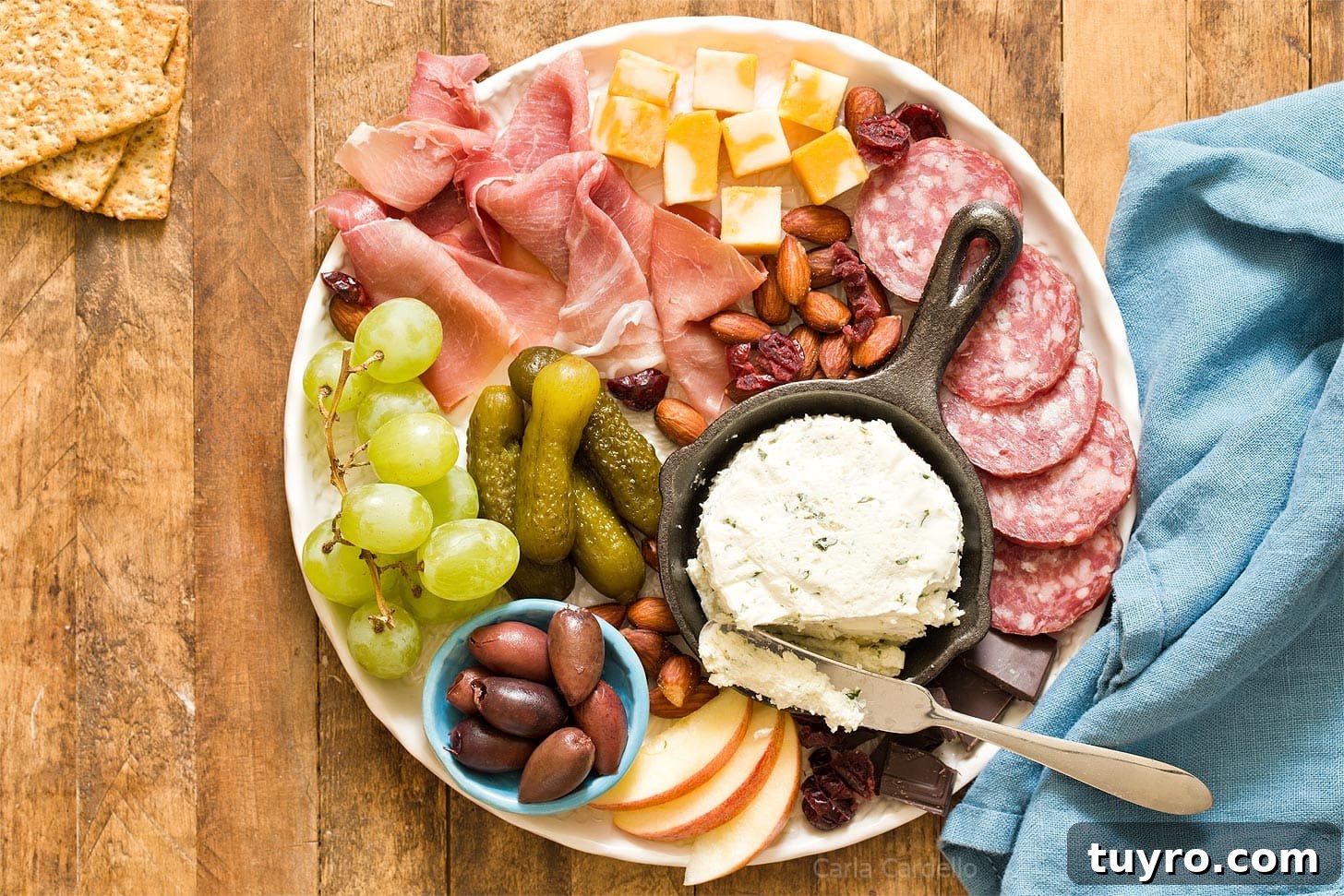
The trickiest part is deciding how much to serve. Aim for balance and variety without overwhelming the plate. If either guest has a smaller appetite, limit choices to one or two items per category. A good small board includes:
- Cheese: Two varieties — one hard (Cheddar, Gouda, Colby Jack) and one soft (Brie, Boursin, goat cheese). Choose cheeses with contrasting textures and flavors.
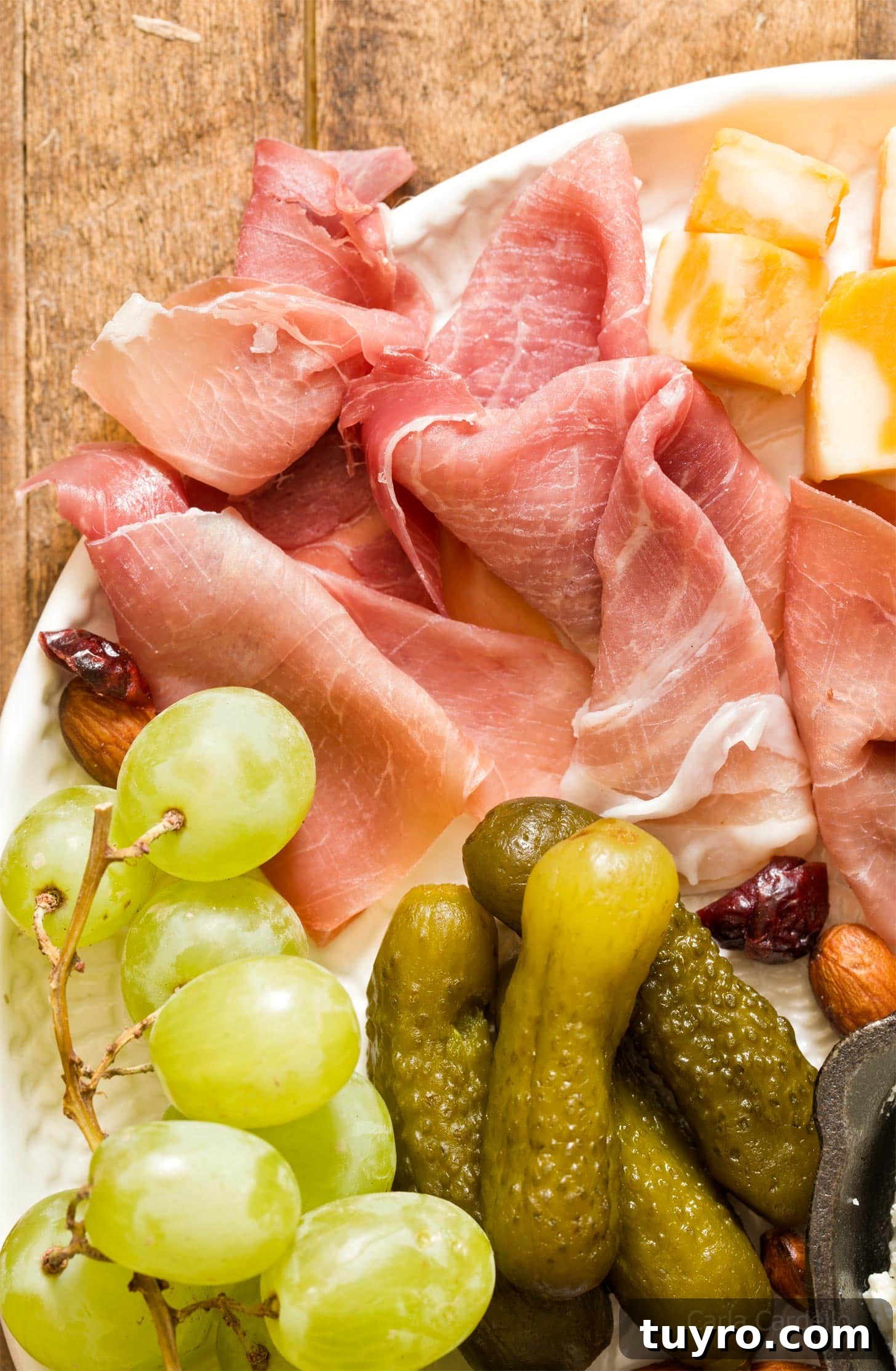
- Meat: Two cured meats such as salami, prosciutto, pepperoni, chorizo, or sopressata. Thin slices and small folds make them easy to pick.
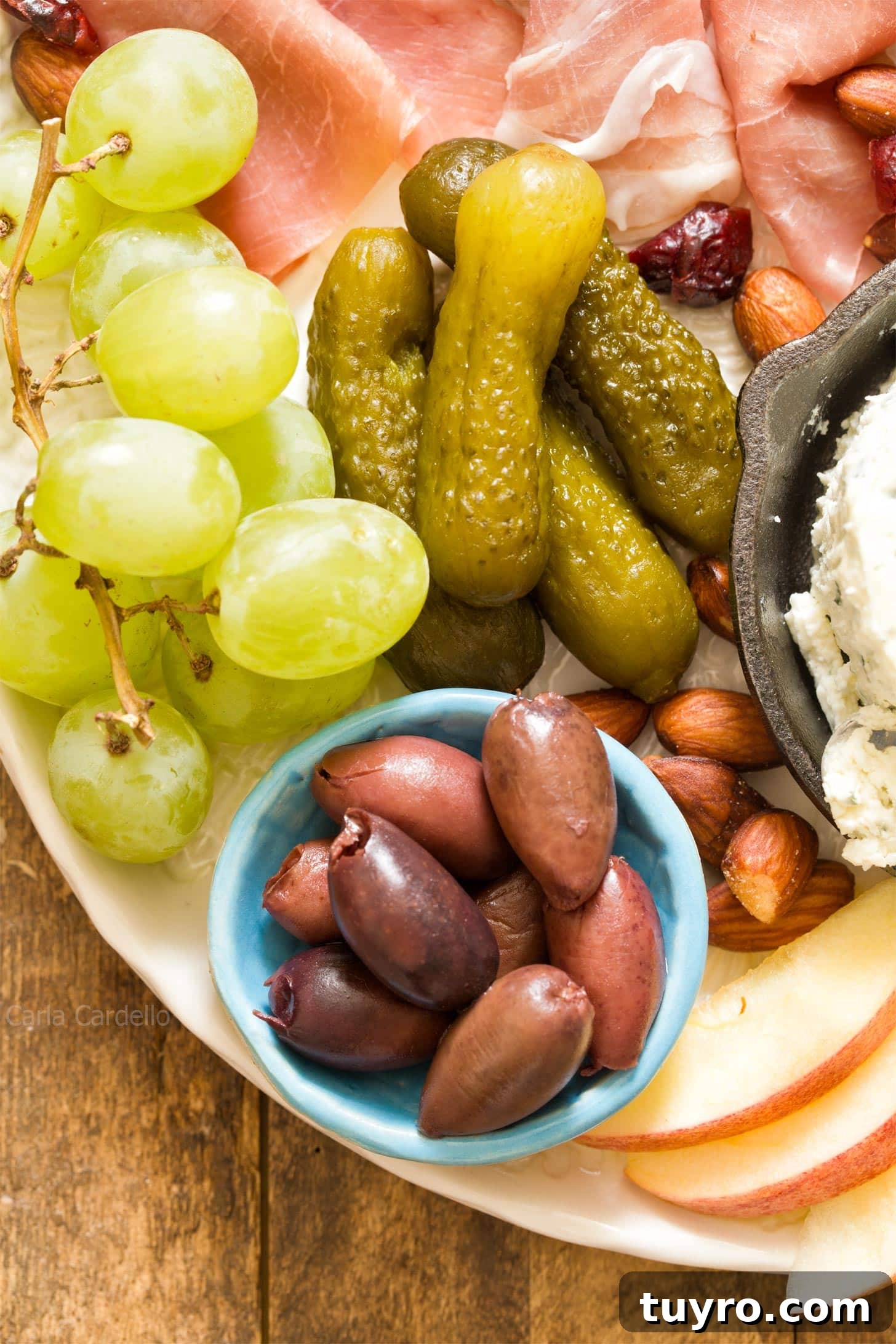
- Antipasto: Two pickled or marinated items, for example olives, baby gherkins, or marinated mushrooms for briny, acidic contrast.
- Spread: One jar of something spreadable — mustard, jam, or a soft cheese used as a spread. A single spread keeps the board simple and focused.
- Fruit: One or two fresh fruits to balance richness — grapes, apple slices, pear, or berries work well.
- Snacks: Small fill-in items like almonds, pistachios, dried cherries, dried apricots, or small pieces of chocolate to add texture and interest.
- Starch: Crackers, crostini, or bread. A mixed pack of crackers adds variety in shape and crunch.
Charcuterie board themes
If you want a cohesive board, pick a theme and build around it. Examples include:
- Cranberry Baked Brie for a Thanksgiving-style board.
- Savory baked brie with olive oil and herbs for a Mediterranean twist.
- Salami-wrapped pepperoncini as a bold, tangy focal snack.
- Sweet board options featuring peanut butter fruit dip and fresh fruit.
- Breakfast-style charcuterie featuring pastries, cheeses, fruit, and spreads for a brunch board.
How to make a small charcuterie board
There’s no single correct method, but this simple approach helps you build a balanced board quickly:
- Place any bowls or small dishes on the board first — these hold spreads, olives, or marinated items and serve as anchors for the layout.
- Add cheeses and meats next. These are your main components and will draw the eye, so position them prominently.
- Arrange larger items such as fruit, pickles, or larger crackers around the cheeses and meats to create visual balance.
- Fill gaps with small snacks: nuts, dried fruit, chocolate, or other bite-size treats to create texture and color contrast.
- If space is tight, serve crackers or crostini on the side to avoid crowding the board.
Can you make a charcuterie board for two ahead of time?
Yes. Prep is easy: slice cheeses and meats into serving portions and store them in airtight containers or plastic bags in the refrigerator until serving. Wash and dry fruit like grapes ahead of time. Keep crackers and delicate items separate so they remain crisp.
What to serve with a charcuterie board for two
A few beverage and meal ideas that pair well with a charcuterie board:
- Cranberry sangria or a light fruit-forward punch for a festive drink.
- Pomegranate or sparkling fruit punches for a non-alcoholic option.
- If you want a follow-up meal, simple dinners like pasta carbonara or prosciutto pasta complement the flavors without much extra work.
- Seafood dishes such as steamed clams with tomatoes can also pair nicely for a more substantial meal.
Charcuterie Board For Two
2 servings
20 minutes
20 minutes
Entertaining a friend or partner for the holidays? Learn how to make a Charcuterie Board For Two to enjoy for date night including a shopping list on what to buy and how much food you need.
Ingredients
- 1 hard cheese, such as Cheddar, Gouda, or Colby Jack
- 1 soft cheese, such as Brie, Boursin, or goat cheese
- 2 types of meat, such as salami, prosciutto, pepperoni, chorizo, or sopressata
- 2 types of pickled or marinated items such as olives, baby gherkins, or marinated mushrooms
- 1 spread, such as mustard or jam
- 2 types of fruit, such as grapes, apples, pears, or berries
- 2 types of small snacks, such as almonds, pistachios, dried cherries, dried apricots, or chopped chocolate
- 1 starch, such as crackers or crostini
Instructions
- Add any bowls or small dishes you plan to use on the board so you can build around them.
- Place cheeses and meats next; these are the main visual and flavor anchors.
- Add larger items like fruit, olives, and pickles around the cheeses and meats.
- Fill gaps with smaller snacks such as nuts, dried fruit, and chocolate.
- If there’s room, arrange crackers or crostini on the board; otherwise, serve them on the side.
Notes
Consider adding a baked brie or a seasonal preserve to enhance the board.
Did you make this recipe?
Share feedback or photos using any tags you prefer — it’s always nice to see how others build their boards.
First published November 23, 2022