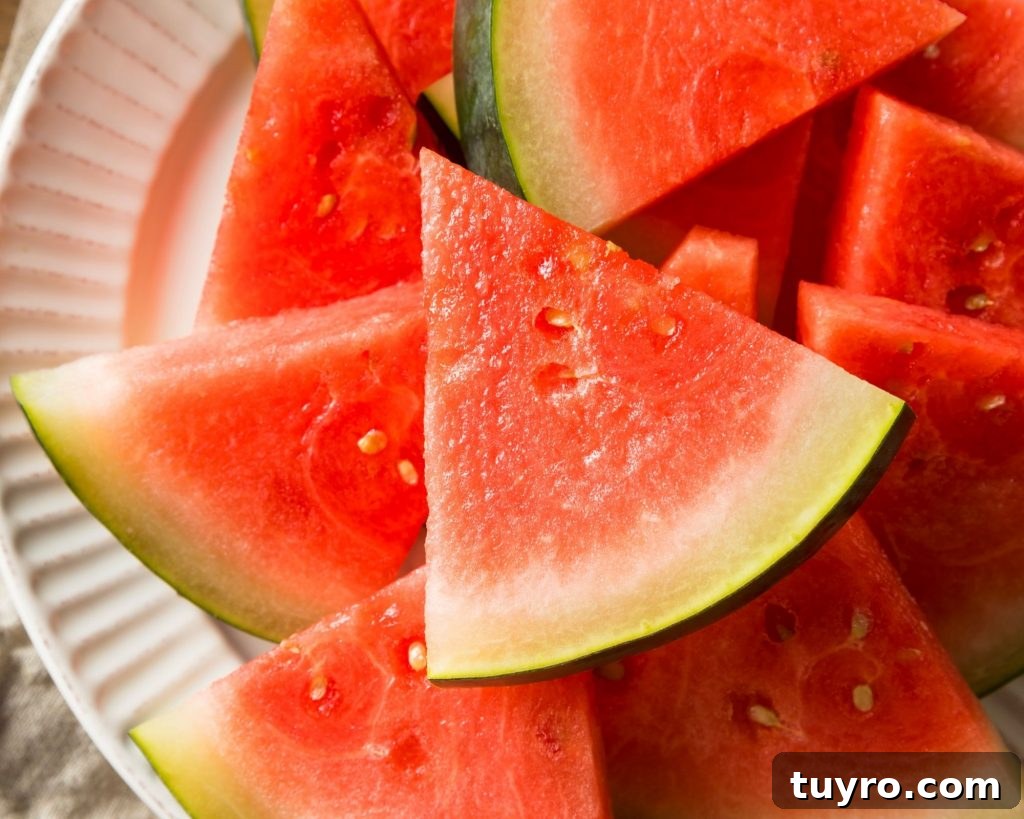
Fresh fruit is a nutritious, flavorful, and versatile year‑round addition to school menus. By applying a few practical culinary techniques, kitchens can extend the usable life of seasonal fruit, reduce waste, and offer both sweet and savory options that appeal to students. In this guide Chef Sam demonstrates efficient prep methods, simple seasoning ideas to boost flavor, and strategies for minimizing waste through smart utilization of whole fruit.
Sponsored by

Plan ahead to maximize fruit availability and quality. Store different fruits at appropriate temperatures—cooler for most berries and stone fruit, slightly warmer for bananas and tropicals—and separate ethylene-producing fruits (apples, pears, bananas) from ethylene-sensitive items (berries, leafy produce) to slow ripening. When deliveries arrive, sort fruit by ripeness: set aside fully ripe fruit for immediate use, slightly underripe fruit for next-day prep, and overripe fruit for purees, sauces, baked items, or smoothies.
Efficient prep techniques save time and reduce waste. Batch wash and sanitize fruit, then use simple portioning templates to create consistent serving sizes for grab‑and‑go programs. Keep trim from peeling and coring—peels, stems, and trimmings—cold and use them for flavored infusions, compotes, or to add fiber to baked goods. For example, apple peels can be simmered into a quick syrup for pancakes, while citrus zest brightens dressings and yogurts.
Seasoning and flavor pairing can transform plain fruit into appealing menu components. A light sprinkle of citrus, a pinch of salt, or a drizzle of honey can elevate flavors without adding complexity. Pair fruit with complementary savory items—apples with sharp cheese, grilled peaches with basil and balsamic, or mango with chili and lime—to create balanced, nutrient-dense offerings. Consider creating simple dressings that combine yogurt, citrus, and a touch of maple or agave for fruit cups that feel indulgent yet wholesome.
Menu versatility helps reduce waste by finding multiple uses for the same produce. Use ripe berries in parfaits and smoothies; turn bruised fruit into crisps, compotes, or jam; roast or grill stone fruit and serve alongside protein entrées or in salads. Frozen fruit is another valuable tool—freeze ripe fruit at peak quality for future use in smoothies, sauces, or baked goods. Label and rotate frozen batches to maintain freshness and predictable flavor.
Training kitchen staff on knife skills and portion control improves speed and consistency. Teach safe, efficient ways to core, slice, and segment common school‑menu fruits, and standardize portion sizes so students receive attractive servings while inventory remains predictable. Use simple equipment like mandolins, corers, and food processors where appropriate, but emphasize hand techniques that reduce bruising and retain texture.
Sustainability practices support cost control and healthier offerings. Compost unavoidable waste, donate surplus unserved fruit through approved channels, and plan purchasing around predictable menu cycles to avoid overstocking. Track usage patterns to refine ordering and minimize spoilage—small adjustments in order frequency or quantity can have a big impact on both cost and quality.
Finally, engage students by presenting fruit attractively and offering taste explorations. Rotating seasonal fruit features, themed fruit bars, and samplings with simple flavor additions encourage students to try new items and appreciate fresh produce. With thoughtful prep, seasoning, and waste‑conscious techniques, fresh fruit can be a delicious, efficient, and sustainable part of any school nutrition program.