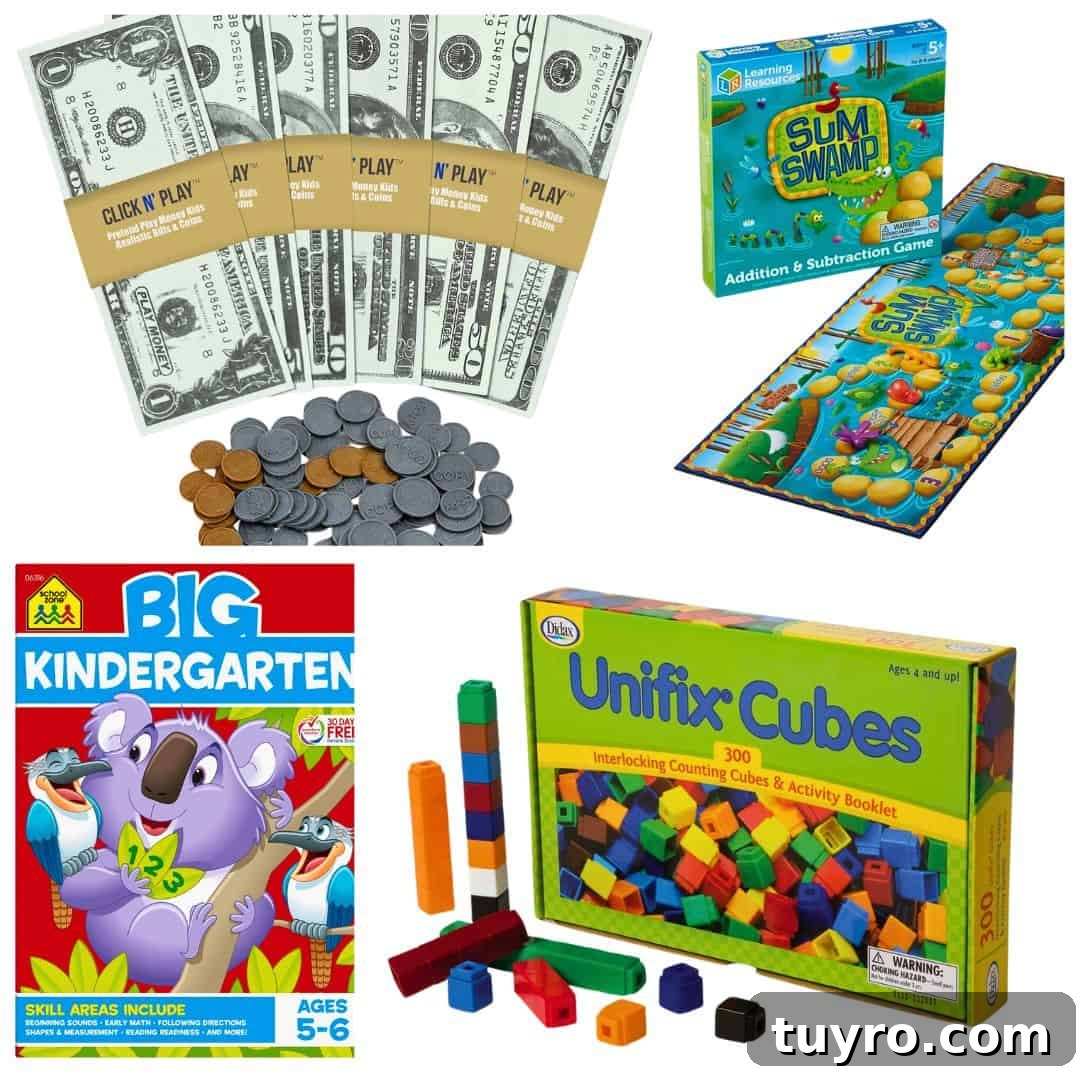
Welcome to the final week of Get Ready for K Through Play. For six weeks I’ve joined a group of favorite kid bloggers to share practical ideas and tools that help families prepare children for Kindergarten. Last week I shared handwriting practice ideas, and this week the focus is on Ready-to-Learn skills—everything from establishing consistent bedtime routines to creating a cozy homework spot and using playful learning at home. Below are the must-have resources I recommend for getting your child ready for Kindergarten and for supporting learning throughout the kindergarten year.
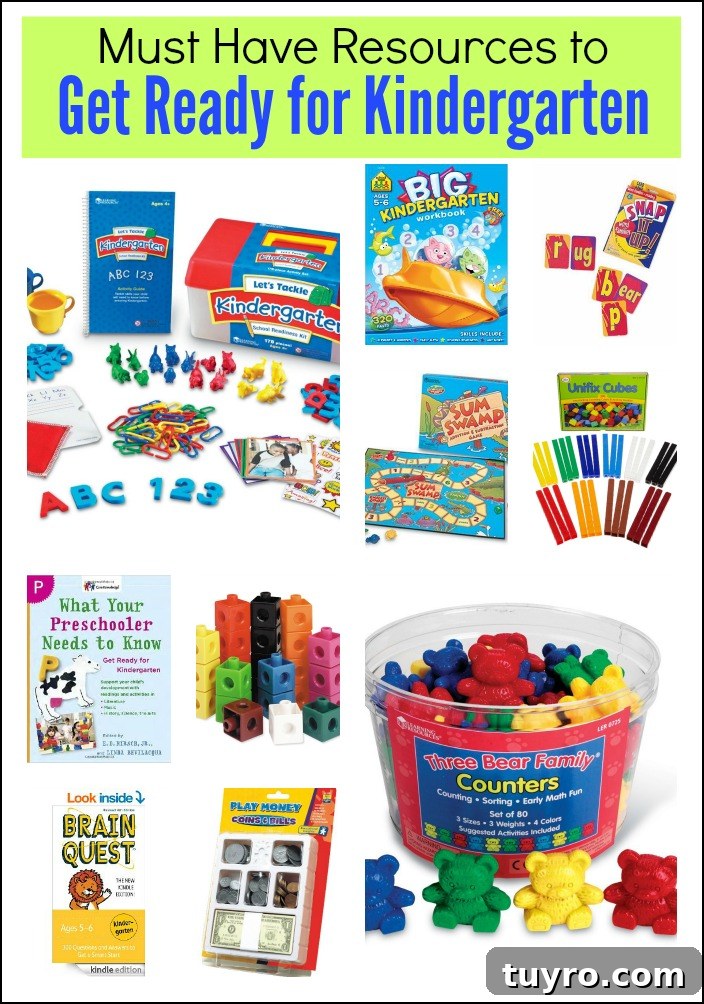
These items are versatile and can be used in many ways to build the early skills children need for school: social and listening skills, fine and gross motor control, early reading and phonics, number sense, counting, problem solving, and creativity. I’ve included materials I have used both in my classroom and at home, along with brief notes on how each item supports kindergarten readiness.
Learning Resources All Ready for Kindergarten
A ready-to-use activity set that includes games and hands-on materials to practice a wide range of early skills. It’s especially useful for families who want structured, playful activities that encourage language, listening, fine motor work, and social interaction.
Big Kindergarten Workbook
A comprehensive workbook with practice pages covering letters, numbers, basic math, pre-reading skills, and handwriting. Workbooks like this give young children focused practice and help parents identify which skills to reinforce at home.
What Your Preschooler Needs to Know: Get Ready for Kindergarten
A parent-friendly guide that outlines typical kindergarten expectations and offers ideas for games, reading activities, and daily routines that encourage school readiness. It’s a helpful resource for planning short, meaningful practice sessions at home.
Snap Cubes
Snap cubes are a classroom staple for exploring counting, measurement, patterns, and simple geometry. Children enjoy building with them, and the cubes make abstract math ideas tangible through hands-on play.
Unifix Cubes
These interlocking cubes are perfect for patterning, sorting, grouping, and one-to-one counting. They’re also useful for supporting language around comparisons (more/less), measuring, and early addition and subtraction concepts.
Play Money: Coins and Bills
Realistic play coins and bills make math meaningful through pretend play. Using play money at a shop, a cash register, or a school store helps children practice counting, coin recognition, and simple transactions in an engaging context.
Snap It Up Phonics Game
Phonics games turn reading practice into a lively activity. Games that focus on word families, letter-sound relationships, and simple spelling give children repeated exposure to early decoding skills while keeping learning fun and social.
Brain Quest Kindergarten
A question-and-answer card set based on early curriculum topics that encourages quick thinking and conversation. These cards are great for short bursts of learning during wait times, car rides, or family game nights to build vocabulary and reasoning.
Bear Counters
Small counters in the shape of bears or other figures are excellent manipulatives for sorting, counting, patterning, and simple math operations. They also lend themselves to imaginative play, which supports language and storytelling.
Sum Swamp
A board game that promotes addition and subtraction practice through play. Games like this help children see math as part of everyday fun and provide repeated, low-pressure practice with number facts.
Tips for using these resources at home: keep activities short and playful, follow your child’s interests, and make room for repeated practice. Rotate materials periodically to keep things fresh, and combine items—use counters with the workbook, or play a phonics game at the pretend store with play money. With a few versatile supplies and a bit of playful intention, you can build strong kindergarten-ready skills in ways that feel natural and fun for both you and your child.