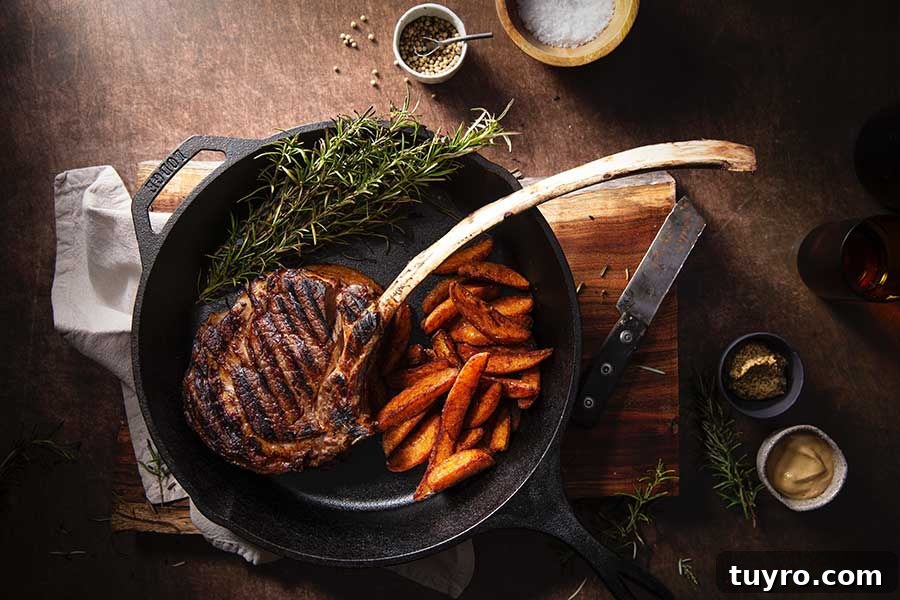
There are many benefits to using cast iron cookware. When properly seasoned and cared for, a cast iron skillet provides a naturally nonstick surface that helps prevent food from sticking and burning, reduces the need for excess oil, and promotes even heat distribution. Cast iron stands up to high temperatures and—unlike some modern nonstick pans—doesn’t rely on synthetic coatings that can break down with wear or at extreme heat.
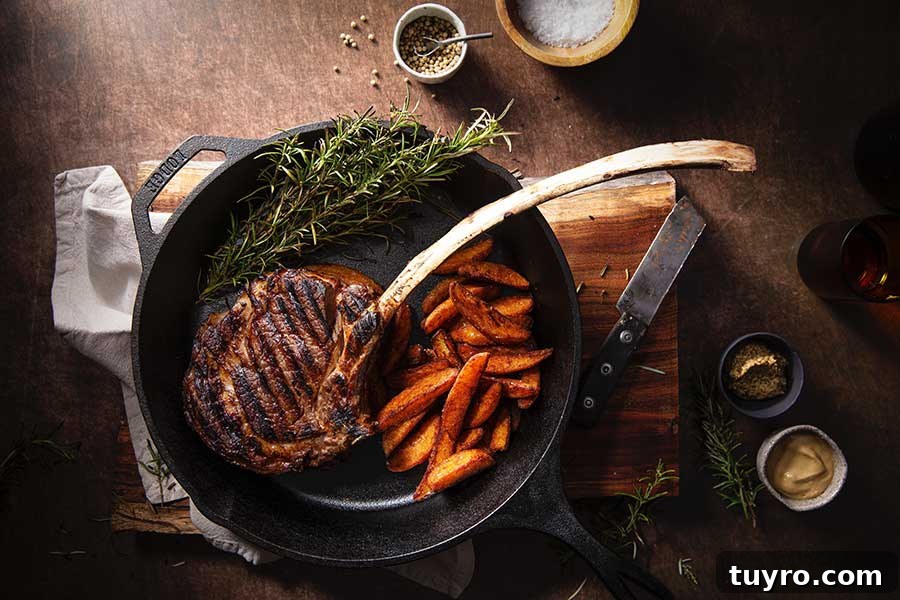
Because a well-seasoned cast iron pan develops a stable, natural cooking surface, cleanup is often easier and safer. Seasoning is essentially a layer of polymerized oil that fills micro-porosities in the iron and improves release and flavor over time. With regular use and simple maintenance, cast iron can last for decades and even be passed down through generations.
SEASONING CAST IRON SKILLET
Seasoning a cast iron skillet is straightforward. Start by washing the pan with hot water and a mild dish soap if needed, then dry it completely. Apply a very thin, even coat of a neutral oil—such as vegetable oil, canola oil, or coconut oil—over the entire cooking surface and exterior.
Place a sheet of foil or a baking tray on a lower rack to catch drips, then put the skillet upside down on the middle rack of a preheated oven. Bake at 375°F (190°C) for one hour, then turn off the oven and allow the pan to cool inside. The first seasoning layer will improve with use: the more you cook and maintain the pan, the better and more durable the seasoning becomes.
If your pan arrives pre-seasoned, it’s still a good idea to give it an initial light seasoning at home to reinforce the surface and ensure even coverage.
Cast Iron Care Essentials
Cast iron dislikes prolonged exposure to water, strong acids, and harsh abrasives. It responds well to regular oiling, gentle cleaning, and immediate drying. After cooking, wipe or scrape out food debris with a spatula or soft brush, rinse with hot water if necessary, and dry thoroughly—using heat on the stovetop for a few minutes helps remove all moisture.
Avoiding Rust and Residue
To minimize the risk of rust, avoid soaking cast iron in water or leaving it in a damp environment. If you cook acidic foods like tomatoes or citrus-based sauces for extended periods, they may wear down the seasoning more quickly; it’s fine to prepare those dishes occasionally, but be prepared to reapply a light seasoning afterward if needed.
For sticky residues or baked-on bits, use a stiff-bristle brush, coarse kosher salt as an abrasive scrub, or a plastic scraper, then rinse and dry. After cleaning, rub a thin layer of oil over the surface while the pan is warm to maintain the seasoning and protect the metal.
Pre-Seasoned Considerations
Pre-seasoned pans are a helpful starting point, but household seasoning routines will enhance and personalize the finish. Regular cooking—especially with fatty foods—naturally builds up the seasoning. If you notice food sticking more than usual or a dull surface, repeat the seasoning process to restore performance.
Restoring Rusty Cast Iron: 4 Simple Steps
1. Scrub away loose rust with a stiff-bristle brush or steel wool using warm, soapy water. Rinse thoroughly and dry the pan completely.
2. Apply a light, even coat of cooking oil to the entire surface—inside and out—while the pan is dry.
3. Place foil or a tray on a lower oven rack to catch drips, position the pan upside down on the middle rack, and bake at 375°F (190°C) for one hour. Allow the pan to cool in the oven before removing it.
4. Repeat the oiling and baking steps as needed until the surface looks smooth and dark. Store cast iron in a cool, dry place, and consider placing a paper towel inside to absorb any residual moisture.
The Versatility of Cast Iron Cookware
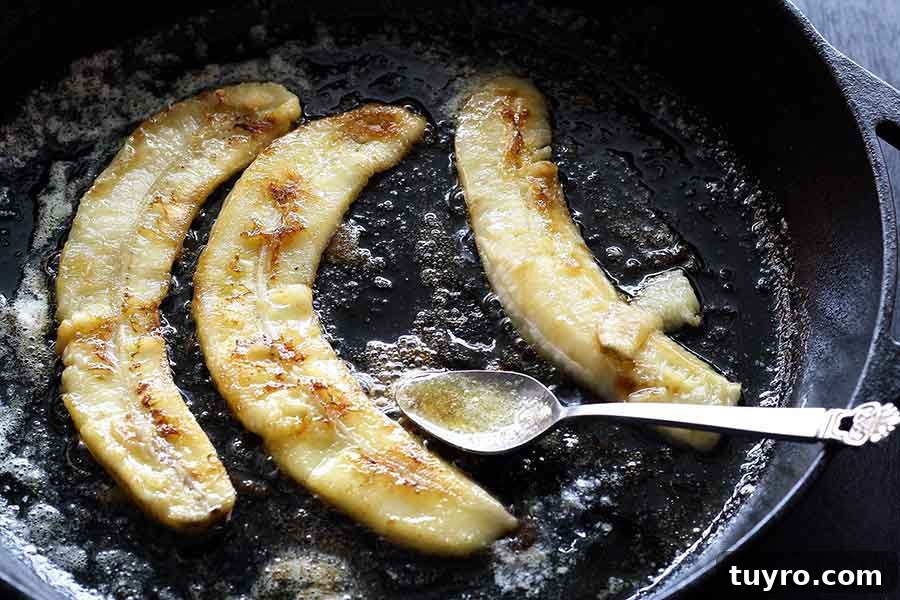
Cast iron skillets are remarkably versatile. They perform well on the stovetop, in the oven, over a campfire, or on a grill. From searing steaks to baking cornbread, making one-pan casseroles, warming dips, or finishing a skillet dessert, cast iron handles a wide range of techniques. Because it holds heat so well, it’s also excellent for pans that go from stovetop to oven for finishing or roasting.
Perfect Roasting Every Time
Cast iron roasting pans and skillets produce even browning and consistent results for roasted chicken, vegetables, and other dishes. The heavy metal maintains steady heat, which helps food cook through uniformly while developing a desirable crust or caramelization. Cleanup is straightforward when the pan is well seasoned—simply remove food debris, rinse or wipe, dry, and apply a thin film of oil to protect the surface.
For inspiration, explore recipe collections focused on cast iron skillet cooking to discover ideas for breakfast skillets, hearty mains, sides, and desserts that take advantage of cast iron’s strengths.