There’s something irresistibly nostalgic about milk cake: its dense, fudgy crumb, caramelized edges and that warm, sweet aroma. You don’t need an oven to recreate this classic—just a pressure cooker and a steel dabba (cake tin). This eggless milk cake uses simple pantry staples but delivers an indulgent, melt-in-your-mouth result that celebrates slow-cooked richness in a home-friendly method.
This recipe bridges tradition and practicality. Milk cake is a favorite in many Indian households for its caramelized flavor and tender texture. If you don’t have an oven, a pressure cooker becomes an excellent alternative; it creates a steady, oven-like environment and the dabba yields a beautifully browned, grainy surface. The method is rustic, resourceful and perfect for cooks of any skill level.
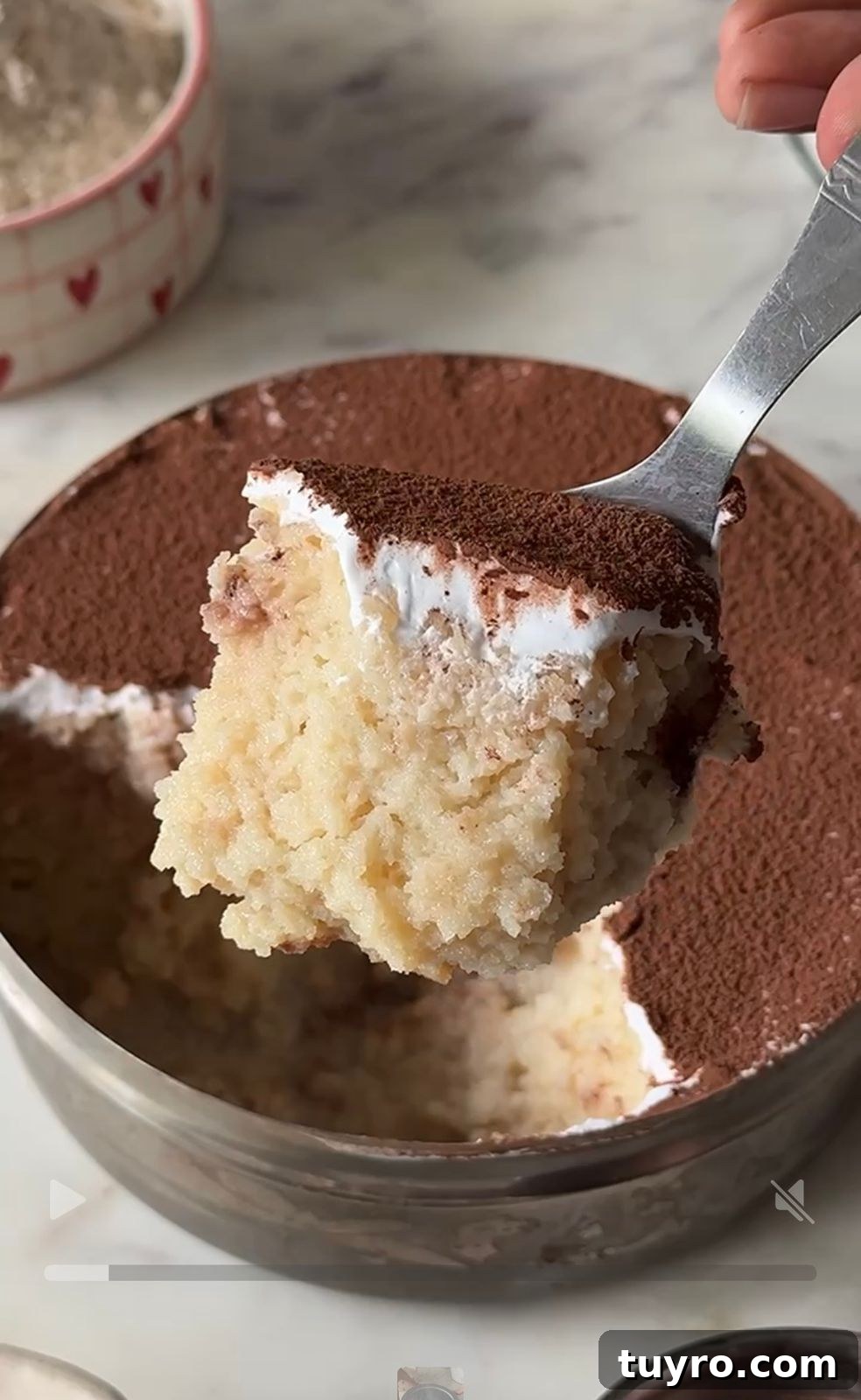
WHAT YOU’LL LOVE ABOUT THIS RECIPE
- Eggless and simple
- No oven required—made in a pressure cooker
- Uses common pantry ingredients
- Easy to prepare and forgiving
- Rich, moist and indulgent
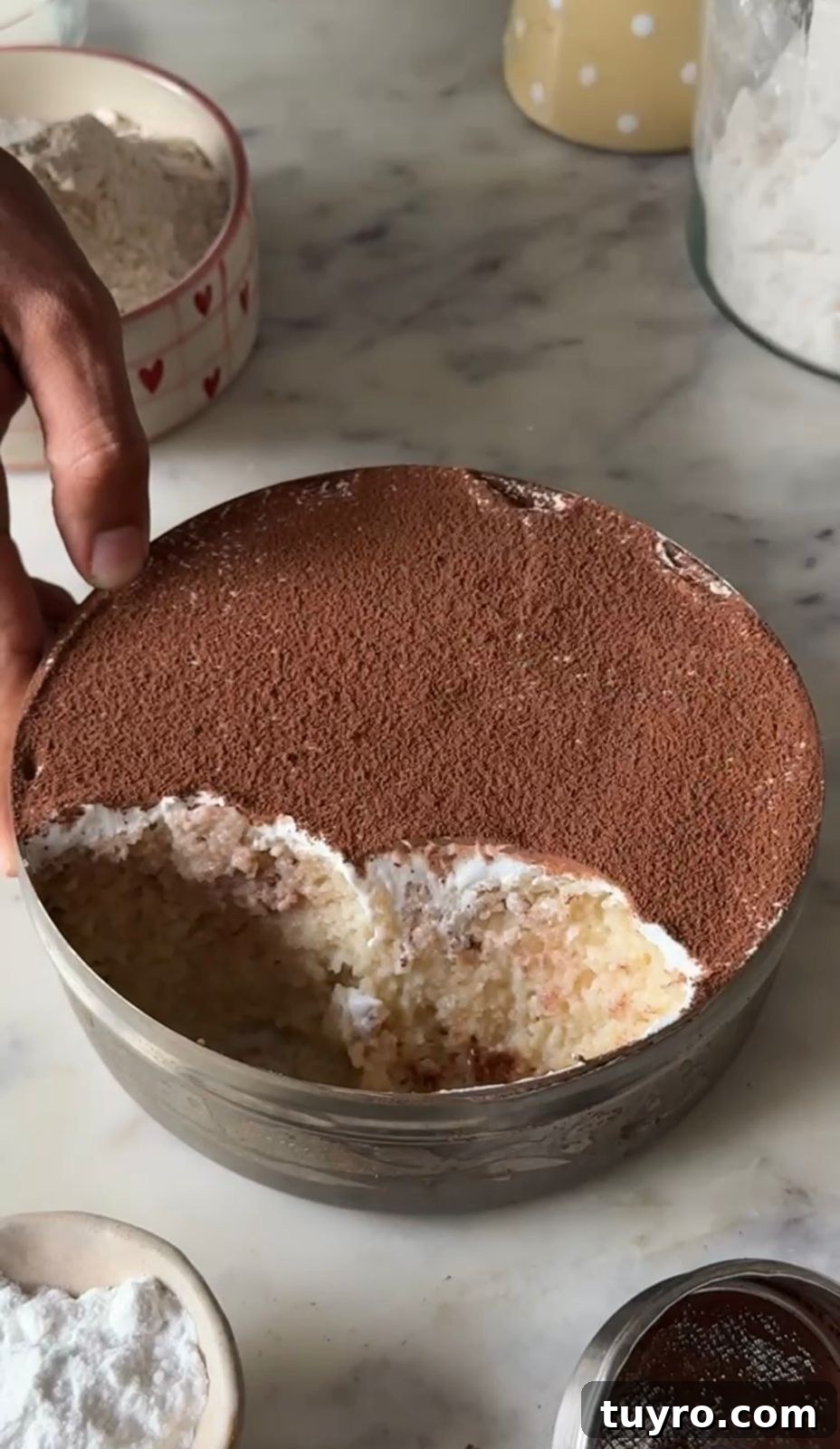
INGREDIENTS USED IN MILK CAKE IN A DABBA
-
Castor sugar
Sugar provides sweetness and helps keep the cake moist. Finely granulated castor sugar dissolves easily into the batter for an even, tender crumb.
-
Oil
Oil keeps the cake soft and tender by coating flour particles and limiting gluten formation. It blends smoothly into the batter for an even texture and a delicate crumb.
-
Milk
Milk thins the batter to the right consistency and reacts with the leavening agents to help the cake rise. Use fresh whole milk for best flavor and texture.
-
All-purpose flour
All-purpose flour provides structure and the framework for the cake’s crumb. It works with baking powder and baking soda to create lift while still producing a tender result.
-
Leavening agents
Baking powder and baking soda introduce air into the batter, helping the cake rise evenly so the center cooks at a similar rate to the edges.
-
The soaking liquid
Soaking the cake after baking makes it extra moist, creamy and flavorful. The soak combines whole milk, condensed milk and vanilla extract—an easy mixture that hydrates the sponge and enhances its richness. For best absorption, pour the soak over the cake while it is still warm.
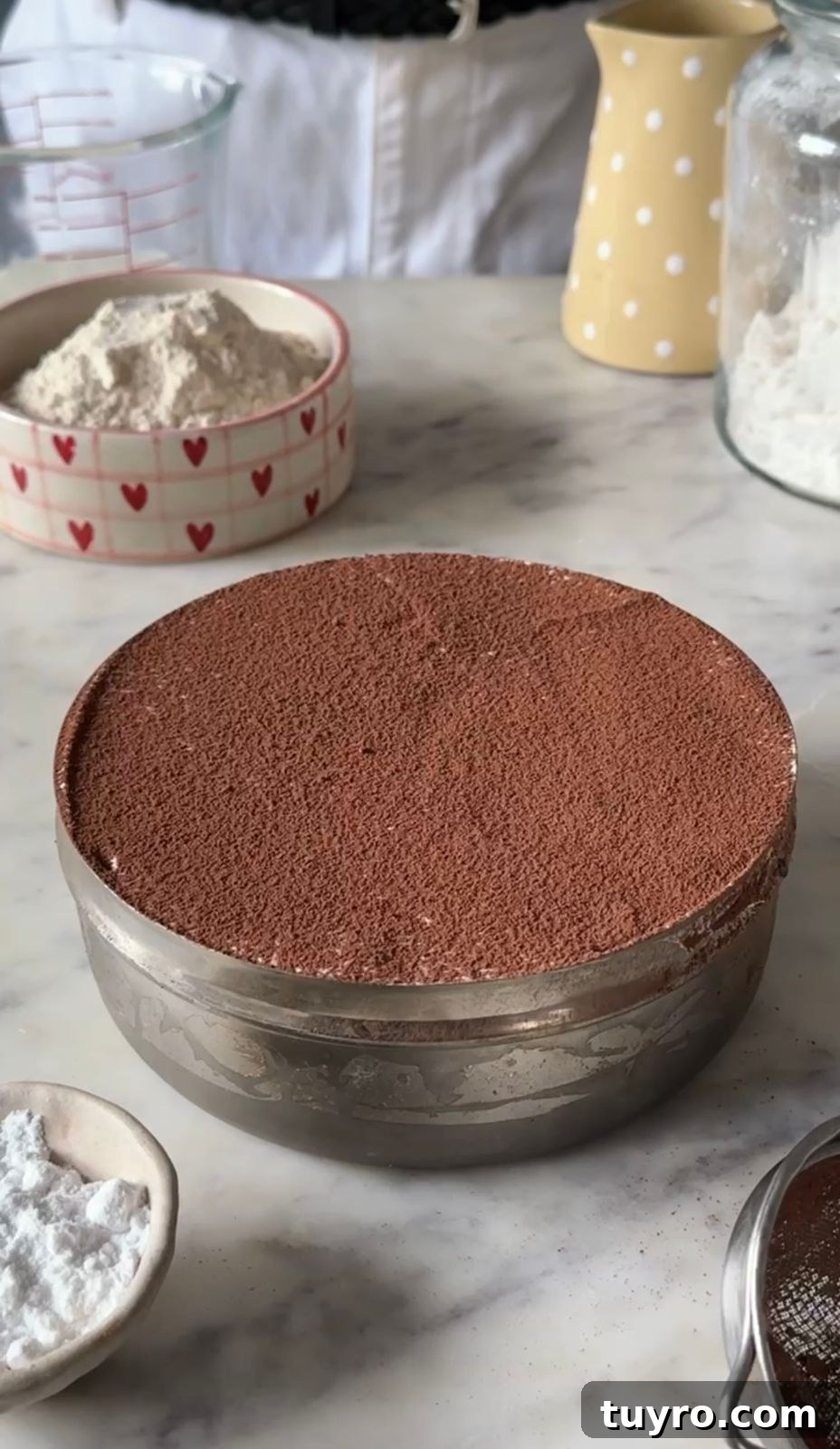
EQUIPMENT
Use basic, reliable tools: mixing bowls, a spatula and a whisk. Measuring cups and measuring spoons ensure accurate proportions. For cooking, you’ll need a stovetop, a steel dabba or small cake tin (6-inch recommended) and a pressure cooker or heavy-bottomed pot used without the pressure weight.
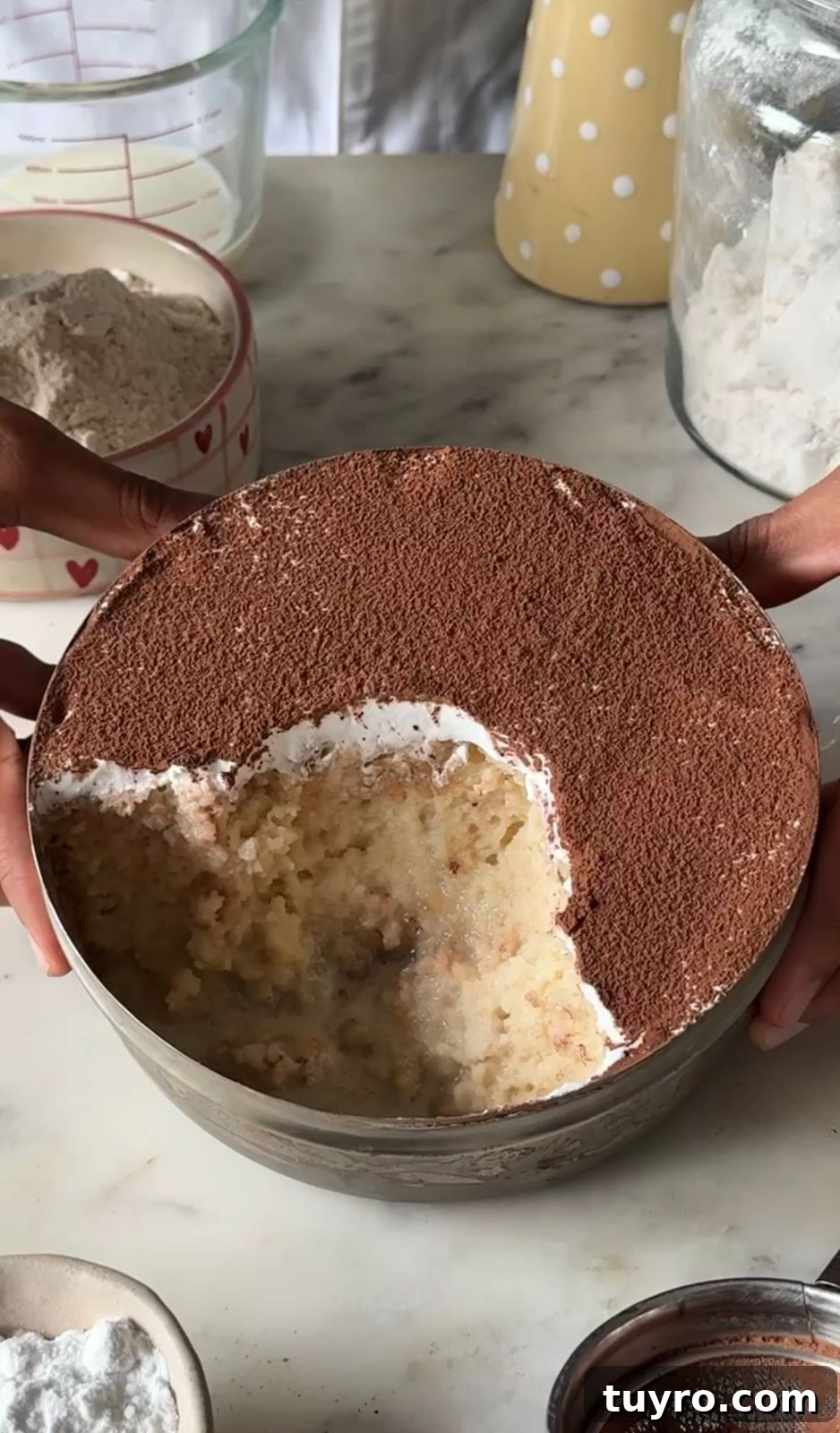
TIPS TO KEEP IN MIND WHILE MAKING MILK CAKE IN A DABBA
- Choose a sturdy, heavy-bottomed cooker or pot. Thick metal distributes heat evenly and reduces the risk of burning the base.
- Add a layer of coarse salt at the bottom of the cooker before heating. The salt creates a protective base and helps steady the heat. Place a metal stand or trivet over the salt to lift the dabba and create an air gap for gentle baking.
- Preheat the cooker for 5–10 minutes and keep the flame on low to medium while baking. High heat can brown the outside too quickly, leaving the center undercooked.
- Allow the cake to cool slightly after baking. Run a knife around the edges and demould while it is still warm. Poke many holes across the surface with a skewer or toothpick and pour the soaking liquid over the warm cake to ensure even absorption.
RELATED RECIPES FROM THE BLOG
- Ragi Chocolate Cake in a Dabba
- Atta Dry Fruit Cake in a Dabba
- Chocolate Suji Muffins in Paper Cups
- FOR THE SPONGE
- 3/4 cup milk
- 2 tsp vinegar
- 3/4 cup castor sugar
- 6 tbsp oil
- 1/2 tsp vanilla
- 1 + 1/4 cup all-purpose flour
- 1/2 tsp baking soda
- 1 tsp baking powder
- FOR THE SOAKING LIQUID
- 1 cup milk
- 1/2 cup condensed milk
- 1/2 tsp vanilla
- Spread a layer of coarse salt at the bottom of a cooker. Place a metal stand or trivet over it and preheat on medium heat for 5–10 minutes. Meanwhile, grease and line a 6-inch steel dabba.
- In a bowl, combine the milk and vinegar and let it sit for 2 minutes until it curdles slightly.
- Add the castor sugar, oil and vanilla; whisk until incorporated.
- Fold in the dry ingredients—flour, baking soda and baking powder—gently. Mix until just combined, avoiding overmixing.
- Pour the batter into the prepared dabba. Place the dabba on the stand in the cooker and bake for 35–40 minutes, or until a skewer inserted into the center comes out clean.
- For the soaking liquid, whisk together the milk, condensed milk and vanilla and keep aside.
- Remove the dabba from the cooker and allow the cake to cool slightly. Run a knife around the edges and unmould while still warm.
- Use a skewer or toothpick to prick holes all over the cake so the soaking liquid can penetrate evenly.
- Pour the soaking liquid gradually over the cake in intervals, allowing it to absorb before adding more. The cake should be warm for optimal absorption.
- Chill the soaked cake for a few hours, then slice and serve.
If you try this milk cake in a dabba, I’d love to see your results—share your photos on Instagram using #Bakewithshivesh. Happy baking!