Table of Contents
How Much Batter Does a Cake Mix Make?
Most standard boxed cake mixes produce about three to four cups of prepared batter. A typical 15 to 25 ounce package usually yields roughly three and a half cups when mixed according to package directions, though some brands produce slightly more—around four cups—depending on the formula and added ingredients. To know exactly how much batter a pan requires, fill it with water and measure the water volume; that will equal the batter volume you need.
Keep reading to learn how to estimate the number of boxes to buy, adjust batter consistency, and plan for multi-layer cakes without running short.
Boxed Cake Mix Batter
When buying boxed cake mix, check the package and be aware that prepared batter volumes vary by brand and flavor. Many mixes yield about three and a half cups of batter, but some reach four cups or even slightly more. Because of that variation, it’s wise to read labels and, for large or special projects, buy an extra box to be safe.
If you end up with extra batter, you don’t have to waste it. Bake cupcakes, make waffles, or freeze the batter (or the baked cake) for later use.
Thicker or Thinner Cake Batter
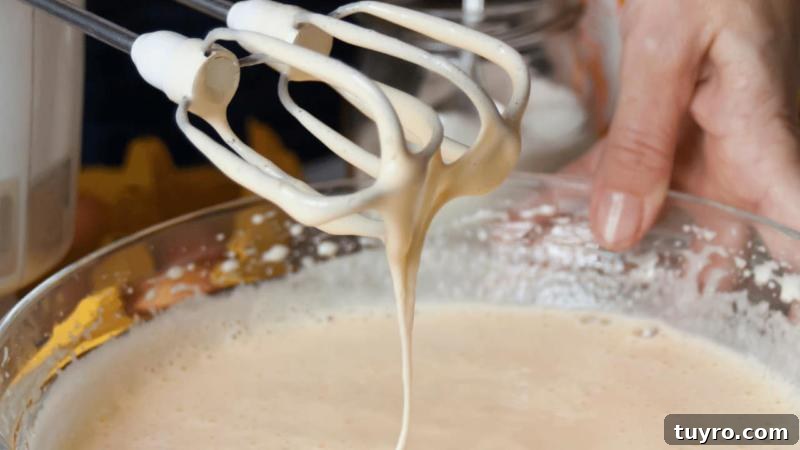
Batter texture can change depending on how you measure and the ingredients you add. If your batter is too runny, gradually fold in a small amount of flour until it reaches the desired thickness. If the batter is too thick, thin it with small additions of liquid such as milk, water, melted butter, or a beaten egg, mixing gently until the right consistency is reached.
For chocolate cakes, a splash of brewed coffee (about 1/2 cup) can deepen the chocolate flavor while also slightly thinning the batter.
Knowing is Half the Battle
If you’re making a simple single-layer cake, one box will often suffice. For multi-layer cakes, tiered designs, or larger pans, plan carefully so you don’t run out of batter. Measuring batter by cups is practical because pan sizes and desired layer thickness vary widely. To achieve even layers, measure and divide batter so each pan receives the same amount.
It’s better to have extra batter than too little. Extra batter can be turned into cupcakes, a small practice cake, or frozen for later use.
Different Cake Mixes Vary
Different brands and flavors yield different volumes and textures. For planning purposes, assume a range of about three to five cups per box depending on brand and recipe modifications. Some mixes are denser and rise less, while others produce lighter, fluffier cakes that may appear larger in volume after baking. Choose the mix that matches your texture preference as well as your volume needs.
Plan and Calculate
To determine how many boxes you need, first establish the total batter volume your cake requires. Use conversion charts or measure pans directly by filling them with water and measuring the amount. Then compare that total to the estimated cups of batter per box for the brand you plan to use.
For example, if your chosen mix yields four cups per box and your cake requires 13 cups of batter, you should purchase four boxes to be safe. Planning and simple math will prevent mid-bake surprises and ensure consistent layer heights.
If you end up with leftover batter, repurpose it—make cupcakes, a small sheet cake, or freeze portions for another day.
Frequently Asked Questions About Cake Mix Batter
How many boxes of cake mix do you need for a two-layer cake?
The number of boxes depends on layer size and depth. A standard box usually supplies enough batter for three six-inch layers or one 9×13 pan. For larger 12-inch layers or deeper pans, you may need two or more boxes. Measure your pans with water to be certain.
How do you figure out how much cake batter you will need?
Fill each pan with water and measure the volume in cups or ounces. Add those volumes together to calculate the total batter required, then compare that total to the cups-per-box estimate for your chosen mix.
What happens if you overfill a cake pan with batter?
Overfilled pans can overflow in the oven, creating a mess and damaging the pan’s edges and the final cake shape. As a rule, fill pans no more than half full for shallow pans and about two-thirds full for deeper pans to allow room for rising.
How much cake batter goes in a cake pan?
For pans one to two inches deep, fill about half full. For pans three inches or deeper, fill about two-thirds full. Adjust based on your recipe’s rise and desired layer thickness.
What can you do with extra cake batter?
Use extra batter to make cupcakes, a small practice cake, or waffles. You can also freeze batter portions or bake now and freeze the uniced cakes for later. Avoid discarding usable batter.
How many cups of mix are in one boxed cake mix?
A standard boxed cake mix typically yields about three to four cups of prepared batter, though this varies by brand and flavor.
What size pan do you use for two boxes of cake mix?
Two boxes of mix are well suited to a 9×13-inch pan or a shallow sheet pan, which typically holds around eight to ten cups of prepared batter. Adjust based on pan depth and desired thickness.
How much cake batter should you put in your cake pan?
Fill shallow pans about halfway and deeper pans about two-thirds full. This prevents spills and leaves room for the cake to rise evenly.
How can you fix a cake batter that is too thick?
Thin a thick batter with small amounts of water, milk, or melted butter, or add a beaten egg to improve consistency. Add liquids gradually until you reach the desired texture.
How many cups of batter will a 15.25 oz cake mix make?
A 15.25 ounce cake mix generally yields around three and a half cups of prepared batter, though the exact amount can vary with how ingredients are measured and mixed.
Is it OK to mix up more than one box of cake mix simultaneously?
Yes—mixing multiple boxes together is fine if you scale the additional wet ingredients proportionally and use the same brand and flavor. Mix gently and evenly to ensure uniform batter.
Conclusion
When baking with boxed mixes, estimate three to four cups of prepared batter per box as a baseline and verify by measuring your pans with water. Plan ahead, measure carefully, and keep an extra box on hand for larger or layered cakes. With a little preparation you’ll avoid running short and can focus on baking a great-tasting cake that looks the part.