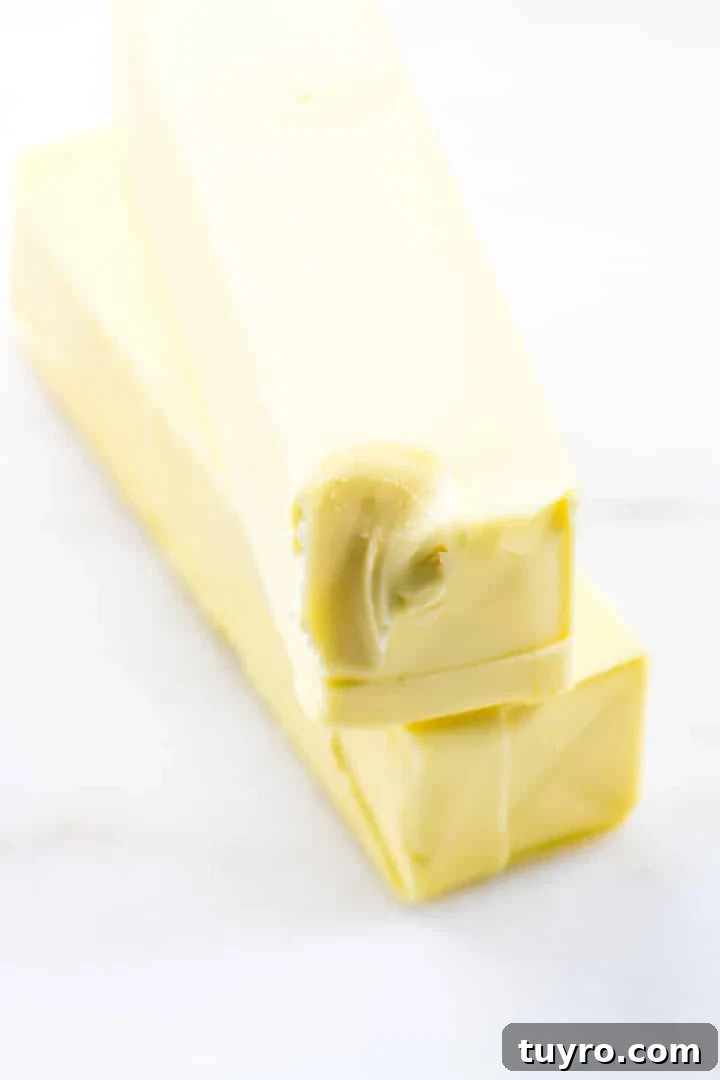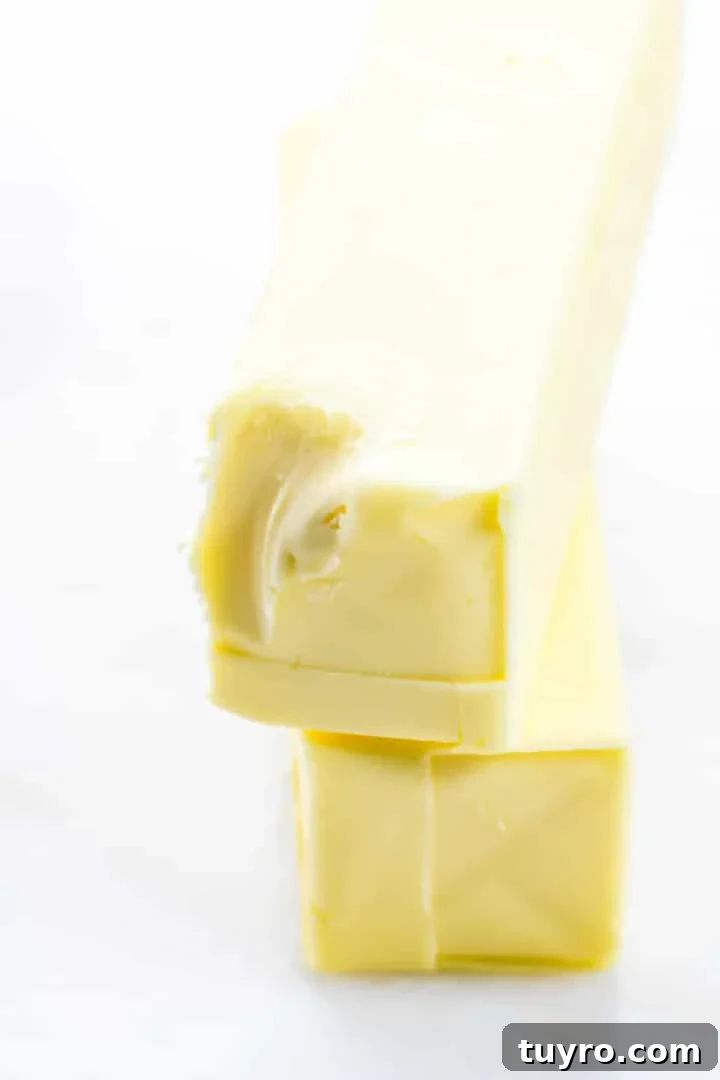
Learn how to soften butter quickly when you’re short on time so you can still make cookies, cakes, frostings, or any recipe that calls for softened butter.
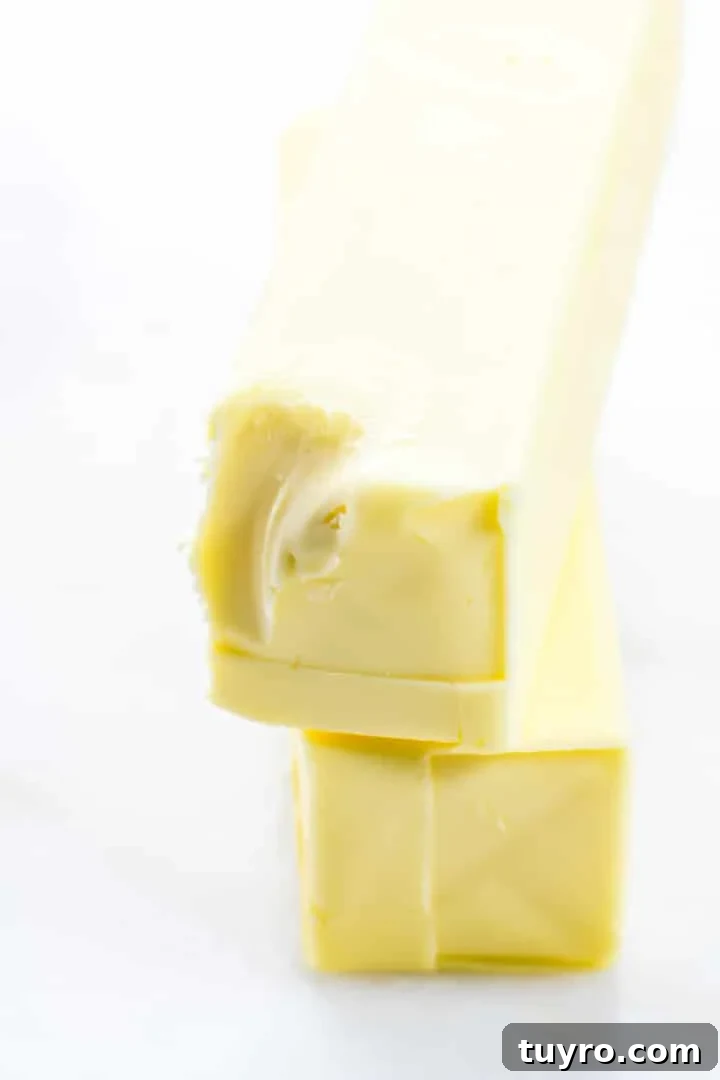
How to Soften Butter Quickly
When a recipe calls for softened butter and you don’t have time to wait, several simple techniques will give you spreadable, workable butter without melting it completely. Choose the method that best fits how much time you have and the tools on hand.
1. Warm it gently with a glass. Fill a heatproof glass with hot water and let it sit for a minute to warm the glass. Pour the water out, place the glass over the stick or pat of butter on a small plate, and let it sit covered for a minute or two. The trapped heat softens the butter evenly without melting it. Alternatively, use the microwave with very low power: heat 10–20 seconds at 10% power and check frequently to avoid molten edges and a cold center.
2. Grate frozen butter. If your butter is frozen or very cold, run it across a box grater to create thin shreds that soften quickly at room temperature. Spread the grated butter on a plate or waxed paper and let it sit near a warm stovetop or oven while you prepare other ingredients.
3. Pound, slice, or whip it. Place the butter between sheets of parchment or wax paper and give it a few firm taps with a rolling pin to flatten and soften it fast. For a hands-off option, slice the butter into tablespoons or smaller pieces and put them in a stand mixer with the paddle attachment; a few pulses will bring it to a workable consistency. You can also use a sturdy spatula to press and smear the butter inside a bowl until it softens.
4. Use warm utensils or bowls. Warm a metal spoon or small bowl with hot water, dry it, and use it to press against the butter. The residual heat from the utensil or bowl will gently soften the surface without melting the entire piece.
Each of these methods preserves the butter’s structure enough for creaming with sugar or folding into batters, which is important for cookies, cakes, and many frostings. For delicate frostings or icings, the traditional room-temperature method—letting butter sit at room temperature until soft throughout—is still best to avoid lumps and ensure a smooth texture.
With these quick tricks you can still make favorite treats like chocolate chip cookies, chewy sugar cookies, or compound butters such as cinnamon-honey butter even if you forgot to plan ahead. Try different techniques to see which one works best for your recipes and kitchen setup.
Do you have a favorite method for softening butter fast? Share your tip and help others save time in the kitchen.
Robyn xo