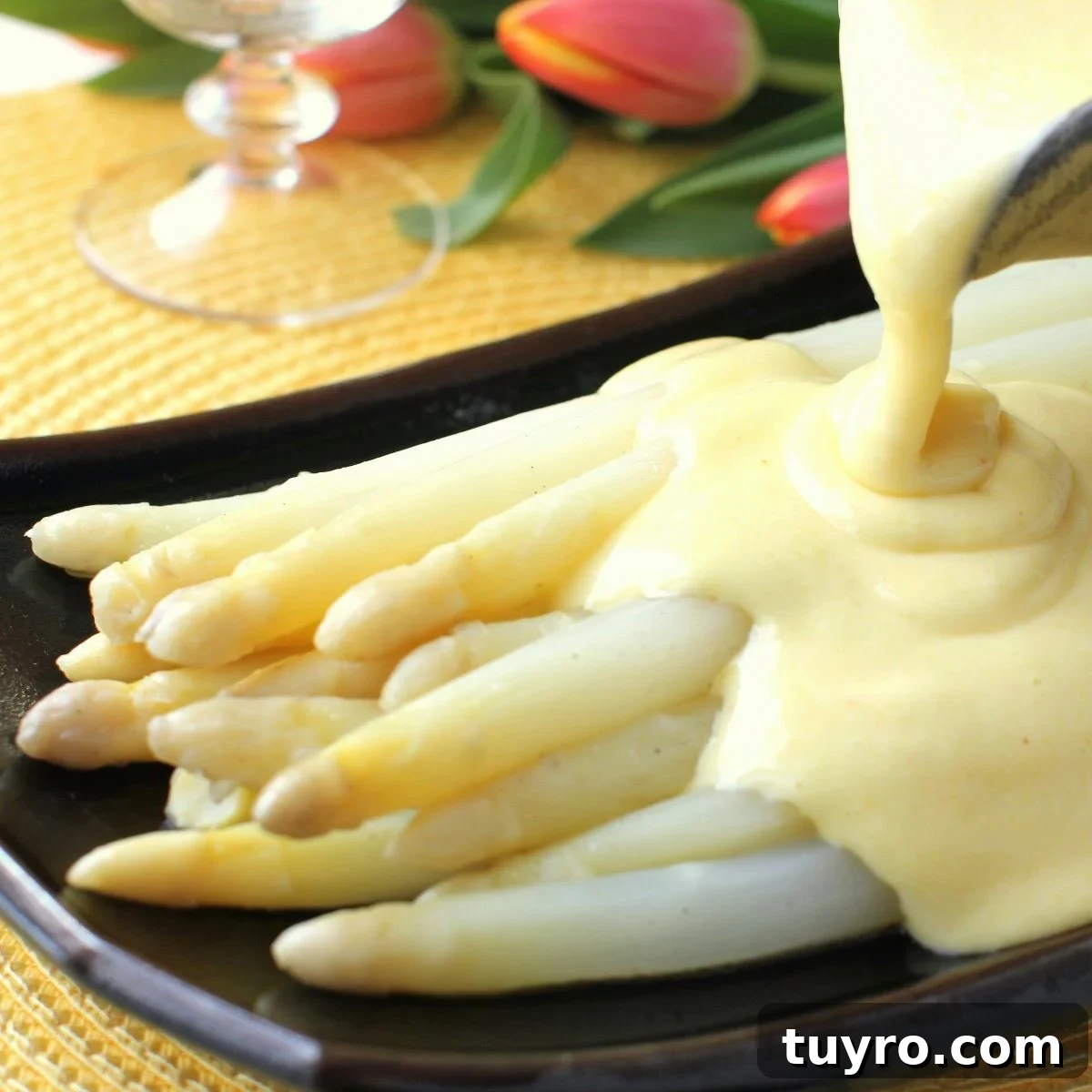
This easy Hollandaise sauce recipe removes the intimidation from making this classic. It reliably turns out creamy, rich, and tangy in just a few minutes: simply whisk the ingredients together over gently simmering water. Spoon it over Eggs Benedict, fish, steamed vegetables, or enjoy it with white asparagus for a traditional German springtime meal.
Celebrate Spargelzeit
In Germany, mid-April marks the start of Spargelzeit — the cherished asparagus season that runs through June 24. Each spring German markets burst with bundles of thick, tender white asparagus, a seasonal obsession that colors menus and family meals across the country. White asparagus is prized for its delicate flavor and is typically enjoyed simply prepared and topped with Hollandaise sauce.
White Asparagus
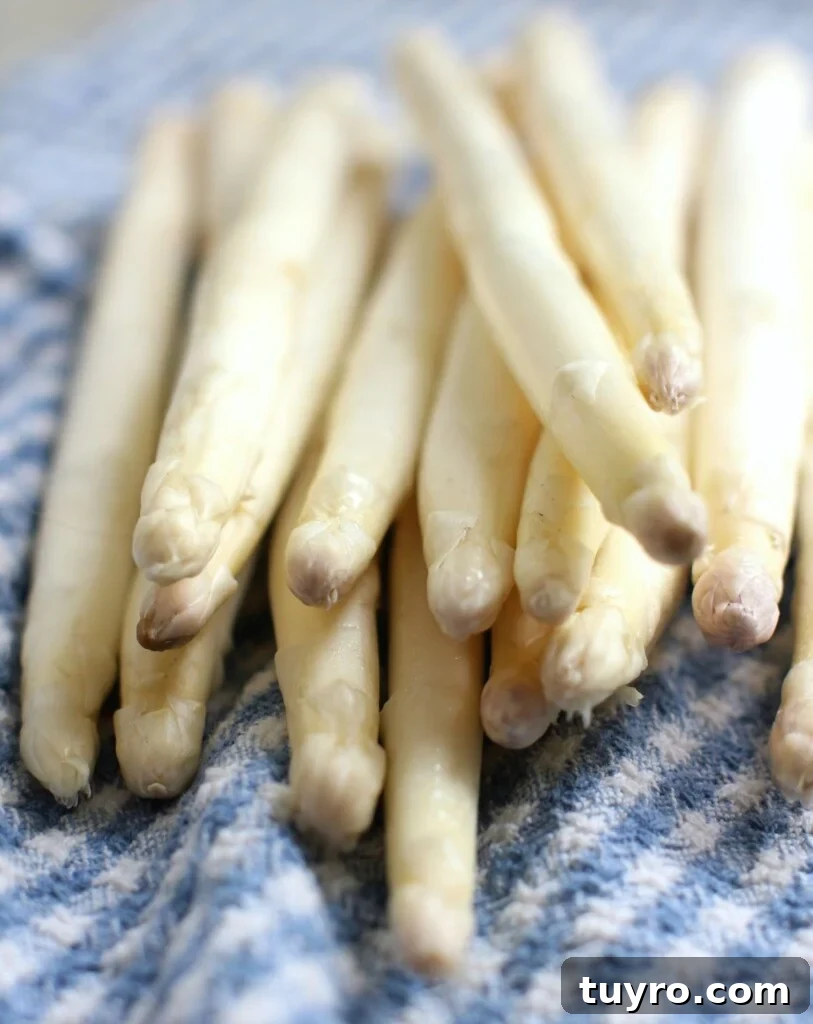
White asparagus is the same species as green asparagus but is grown under mounded soil or plastic to keep it out of sunlight, preventing chlorophyll from developing. This labor-intensive method yields pale, tender spears with a subtle, slightly sweet flavor. During Spargelzeit you’ll find vendors selling them by the bunch — the thicker spears are especially prized.
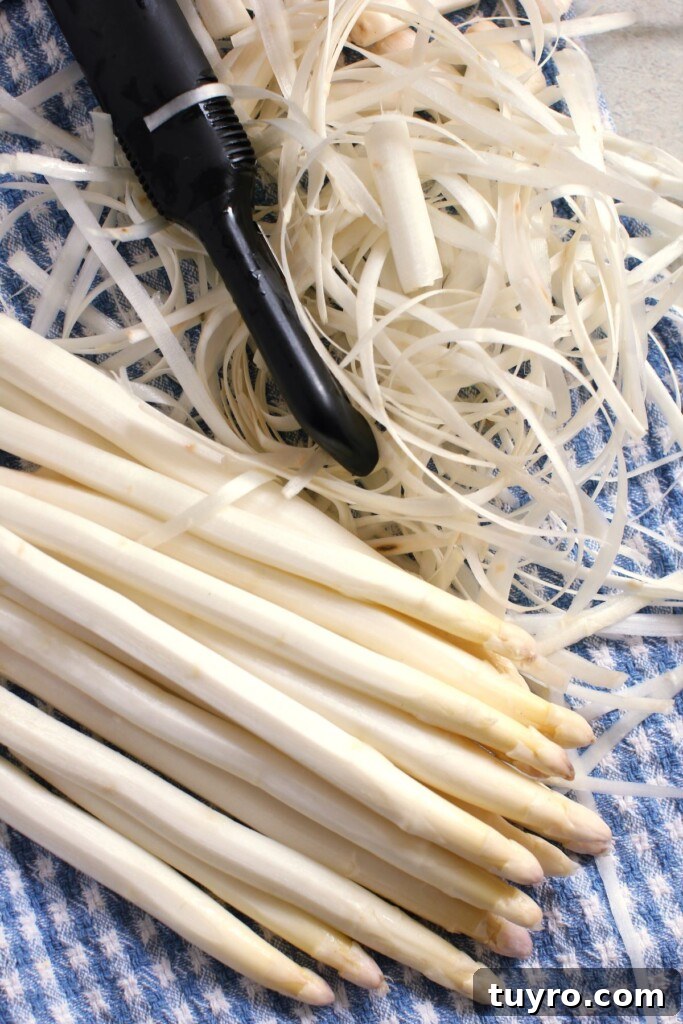
White asparagus must be peeled because its outer skin can be fibrous and bitter. Lay each spear on a work surface and peel away from the tip, beginning about 1½ inches (3–4 cm) below the top and working downward. Trim off 1–2 inches of the bottom end, which can be tough. If you use green asparagus, peeling is not necessary—just trim the very bottom.
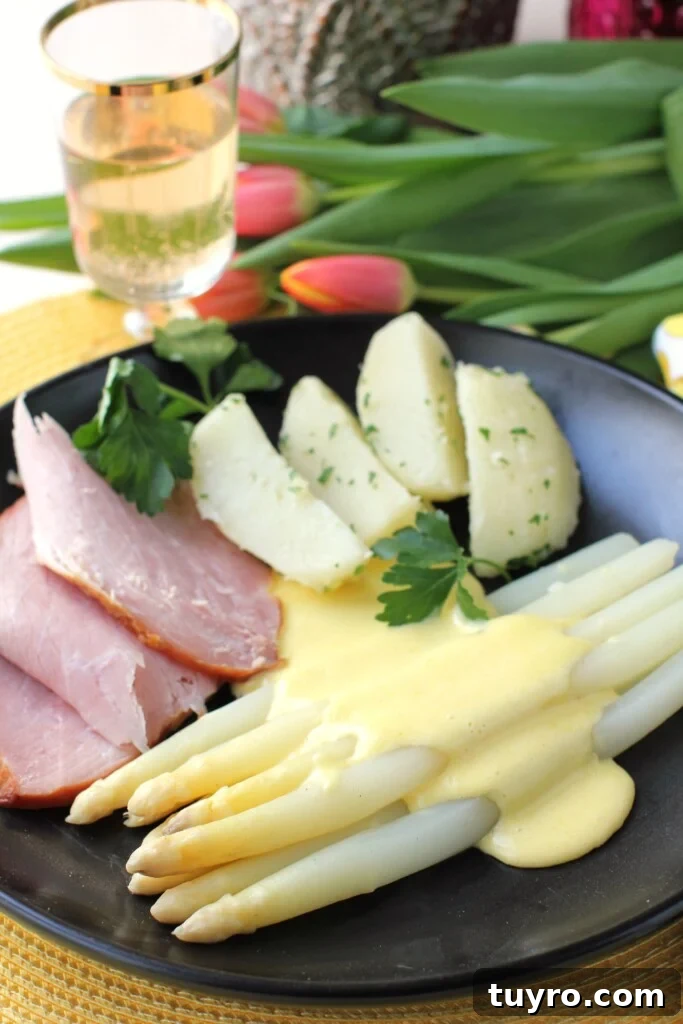
The classic way to cook white asparagus is gently: simmer the peeled stalks in a small amount of water with butter, or steam them until tender. They’re traditionally served with buttered boiled potatoes and a slice of ham, or with fried or soft-poached eggs for a vegetarian option.
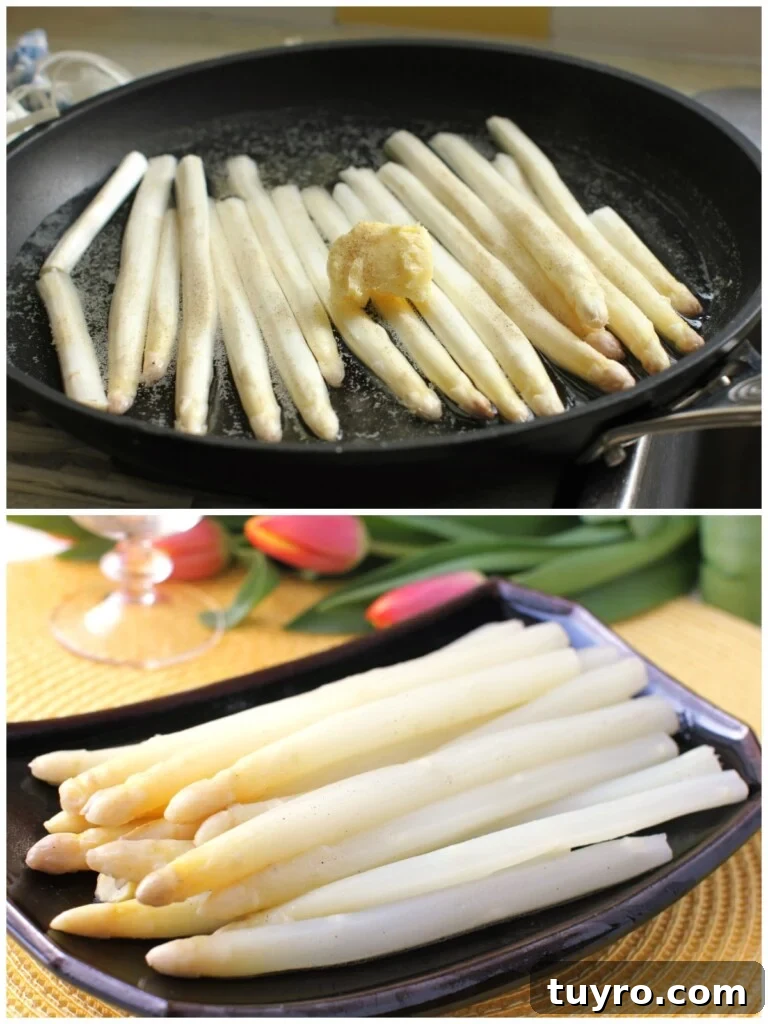
The simplest and most beloved accompaniment is Hollandaise: a silky, eggy butter sauce that complements asparagus without overpowering it. Below is a foolproof Hollandaise method that rarely splits and comes together quickly over a double boiler.
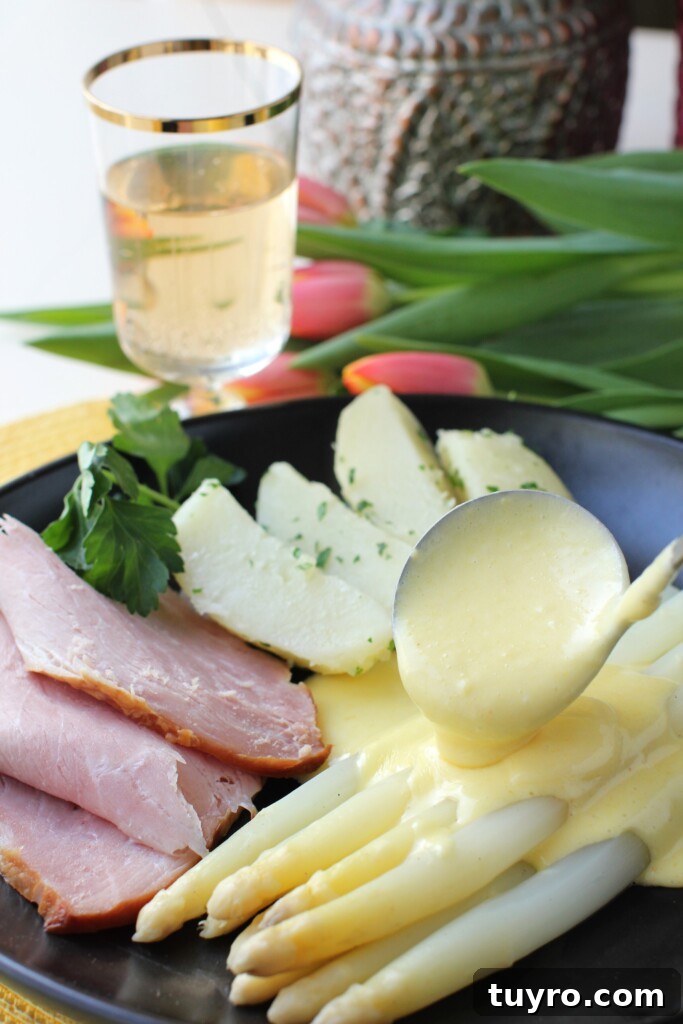
Easy Hollandaise Sauce
Traditional Hollandaise calls for gradually whisking hot melted butter into warm egg yolks, but the method here simplifies that step. Whisk egg yolks with lemon juice until smooth, then add room-temperature butter cut into cubes. Set the bowl over barely simmering water and whisk continuously until the butter melts and the sauce thickens. Because the butter is added all at once and melts while you whisk, the emulsification happens reliably and quickly — just don’t stop whisking.
You will need:
- 4 large egg yolks
- 1 tablespoon fresh lemon juice
- ½ cup (113 g) unsalted butter, cubed at room temperature
- ¼ teaspoon fine sea salt
- Pinch of cayenne pepper or white pepper
- 1–2 tablespoons white wine or water to thin, if needed
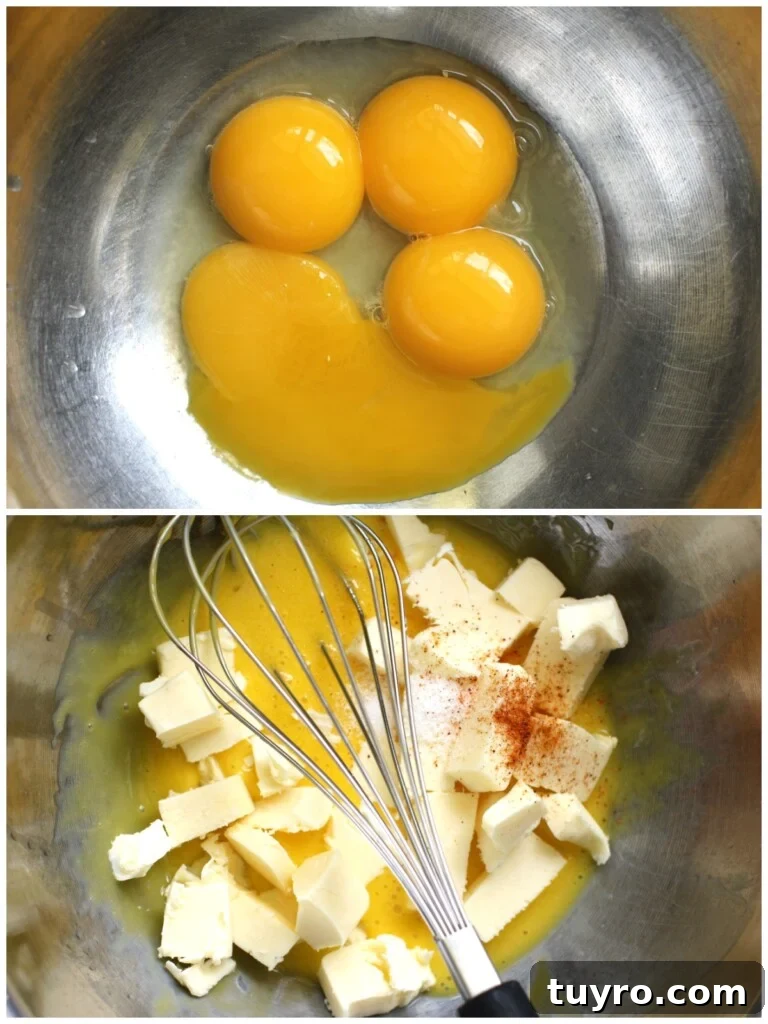
Place a small pot with about 1 inch (2.5 cm) of water over medium heat and bring to a gentle simmer. Use a metal or glass bowl that sits comfortably on the pot rim without touching the water. Whisk the yolks and lemon juice until thickened, add the salt, cayenne, and butter cubes, then set the bowl over the pot. Whisk continuously until the butter melts and the sauce reaches a thick, creamy consistency. If it becomes too thick, whisk in a tablespoon of white wine or water to smooth and thin the sauce.
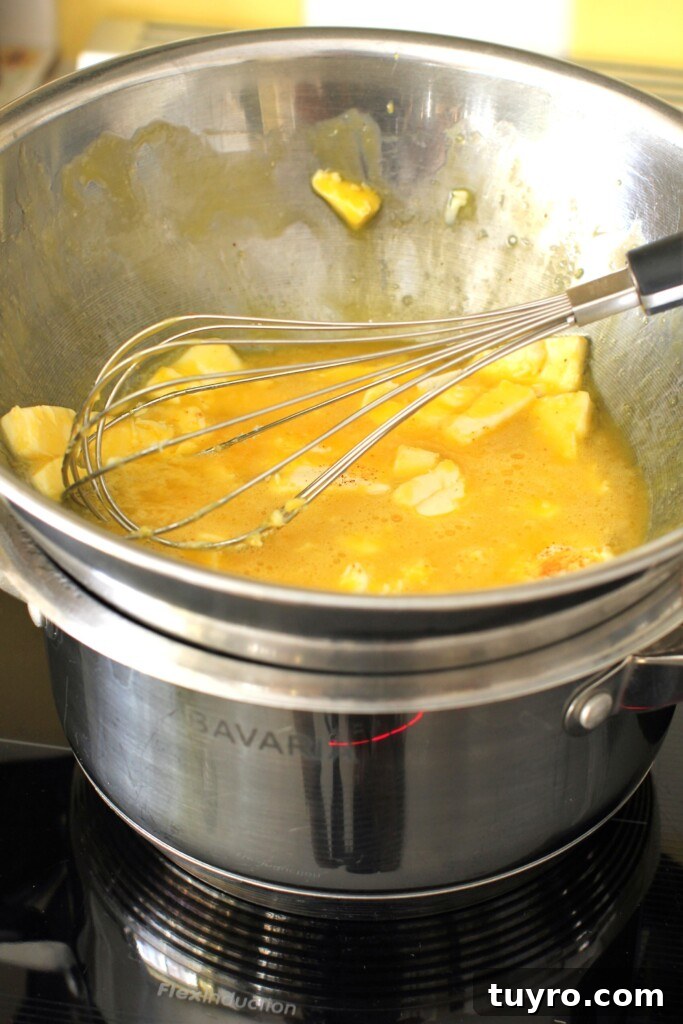
The sauce takes only a couple of minutes and yields about 1 cup. If needed, whisk in 1–2 tablespoons of wine or water to reach your preferred pourable consistency. Remove from heat and continue whisking briefly off the pot to stabilize the emulsion.
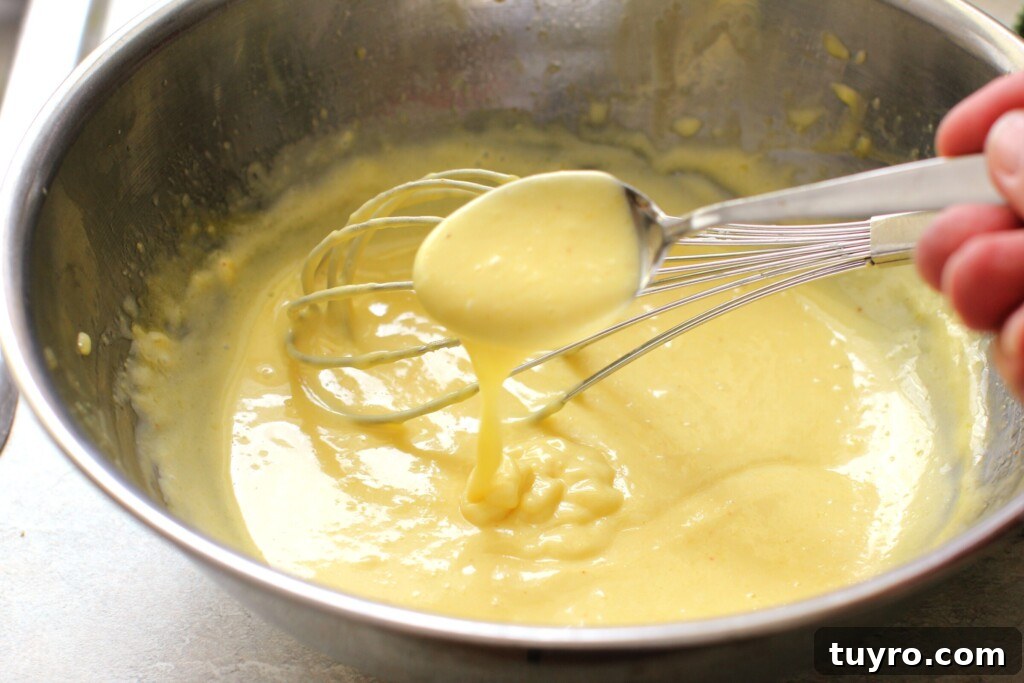
Serve the warm Hollandaise over cooked asparagus, boiled potatoes, and ham, or alongside eggs. The sauce can be kept warm for up to one hour by returning the bowl to the pot with the water on the lowest heat setting, stirring occasionally and adding a little liquid if it thickens. Refrigerate leftovers in a covered container for 2–3 days and rewarm gently in a double boiler or spoon cold sauce onto hot vegetables so it melts from the heat.
Ingredients (for 4 servings)
- 2 bundles white asparagus (about 1 kg / 2.2 lbs) — or green asparagus
- 1 tablespoon butter for cooking asparagus
- ½ teaspoon fine sea salt (plus more for boiling water)
- ¼ teaspoon white pepper
- Water for simmering
- Hollandaise Sauce (recipe above)
How to cook the asparagus
- Peel the bottom three-quarters of each white asparagus stalk with a vegetable peeler, beginning about 1½ inches from the tip. Trim 1–2 inches from the tough bottom ends. (If using green asparagus, peel is optional.)
- Arrange the trimmed stalks in a large skillet with the butter, salt, and pepper. Add enough water to come about halfway up the spears.
- Bring to a boil, then reduce to a simmer, cover, and cook until tender — about 10–15 minutes for white asparagus; less for green, depending on thickness.
- Drain and return to the covered skillet to keep warm until serving.
Prepare the Hollandaise
- Bring about 1 inch (2.5 cm) of water to a gentle simmer in a small pot.
- In a bowl that fits over the pot without touching the water, whisk together the egg yolks and lemon juice until thickened, about 2 minutes.
- Add the salt, cayenne (or white pepper), and cubed room-temperature butter to the yolks.
- Set the bowl over the barely simmering water and whisk constantly until the butter melts and the sauce thickens, 1–2 minutes. If it becomes too thick, whisk in a tablespoon of white wine or water to thin it.
- Remove from heat and whisk briefly off the pot. Keep warm over the pot on the lowest heat for up to an hour, stirring occasionally and adding liquid if needed.
- Makes about 1 cup of Hollandaise. Store leftover sauce refrigerated for 2–3 days; reheat gently.
Notes
- If you use salted butter, reduce the added salt to about 1/8 teaspoon.
- For a classic German meal, serve asparagus with Hollandaise, boiled potatoes tossed with butter and parsley, and slices of cooked ham. For a vegetarian version, serve with fried eggs instead of ham.
- Save unused egg whites for other recipes: they freeze well for meringues or can be kept refrigerated for up to five days for a simple egg-white scramble.
If you enjoy seasonal recipes and kitchen tips, consider subscribing to receive new recipes and updates directly by email. Guten Appetit!