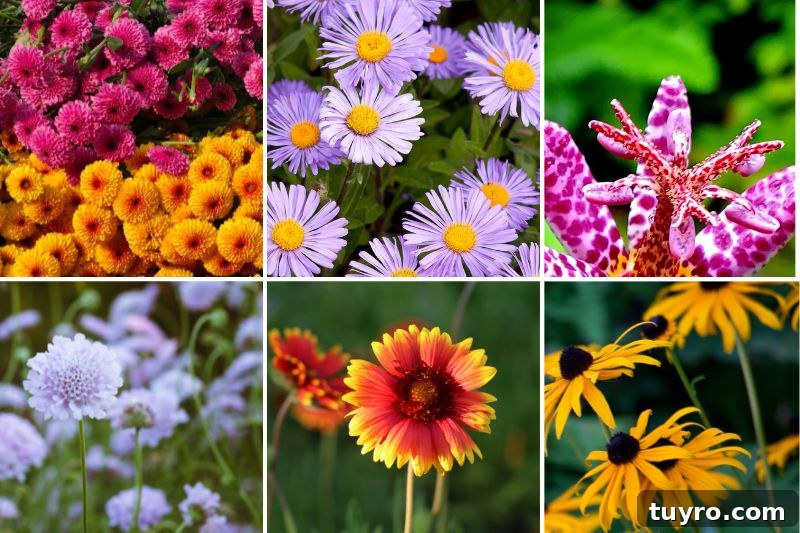
When most people think of gardening season, spring comes to mind. However, autumn is actually one of the best times to get outside and plant. Whether you want to add late-season color with chrysanthemums and asters or plan now for a stunning spring display, fall offers many excellent choices. This guide highlights the best flowers to plant in the fall and provides practical tips to help gardeners of all levels succeed.
For Blooming Flowers You Can Plant in the Fall
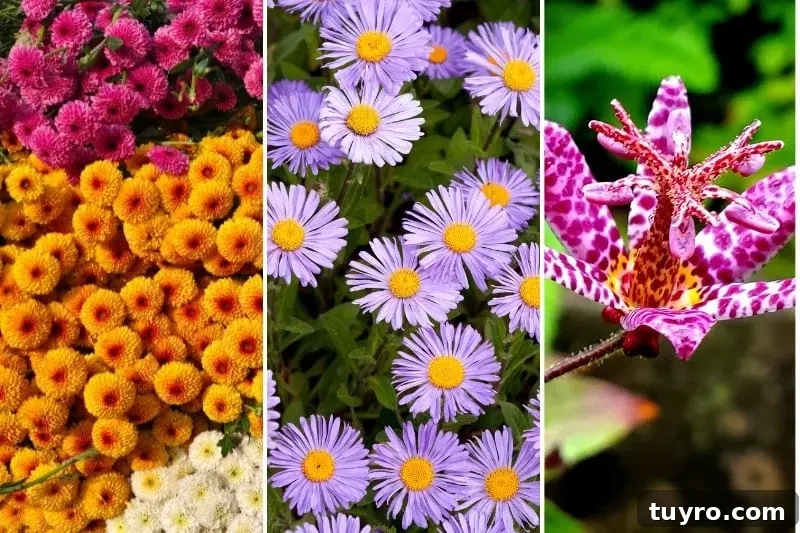
- Chrysanthemums (Mums) — The quintessential fall flower, chrysanthemums come in yellow, orange, red, white, and purple. They provide long-lasting blooms through late summer and autumn and are ideal for filling beds and containers with constant color.
- Asters — Asters are vivid, perennial bloomers that add a distinctive autumnal pop. They do best in full sun and are available in cool purples like sky blue asters that brighten borders and pollinator gardens.
- Toad Lilies — With orchid-like, speckled flowers, toad lilies bring an exotic touch to shaded areas. They bloom from late summer into cooler fall temperatures, offering delicate interest when many other plants are fading.
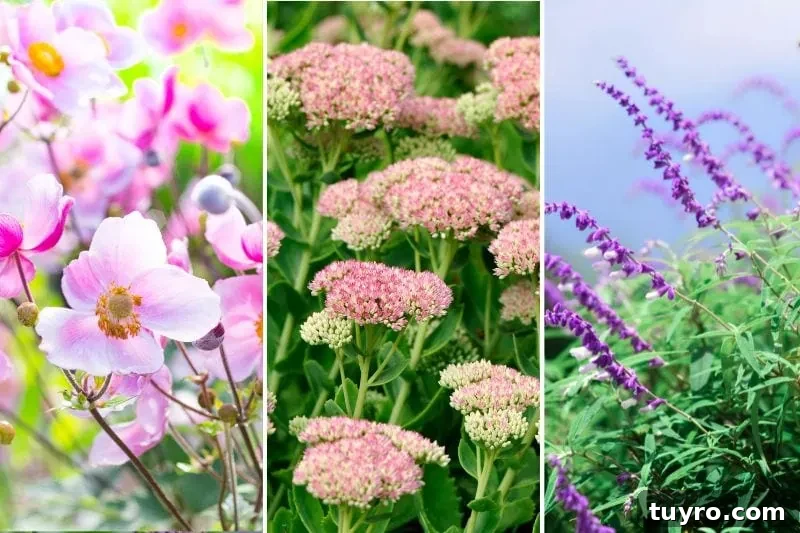
- Japanese Anemones — Delicate and refined, Japanese anemones produce pink and white blooms in late summer and fall. They are low-maintenance herbaceous perennials that return year after year, making them a reliable choice for autumn borders.
- Sedum — Also called stonecrop, sedum is a hardy succulent with thick leaves and star-shaped flowers. It thrives in full sun and well-draining soil, tolerates drought, and is useful as a groundcover or upright perennial for late-season texture.
- Mexican Bush Sage — Producing velvety purple and white spikes, Mexican bush sage is heat-tolerant and attracts pollinators like migrating monarchs. Its sturdy stems and long bloom period add structure and color to late-season beds.
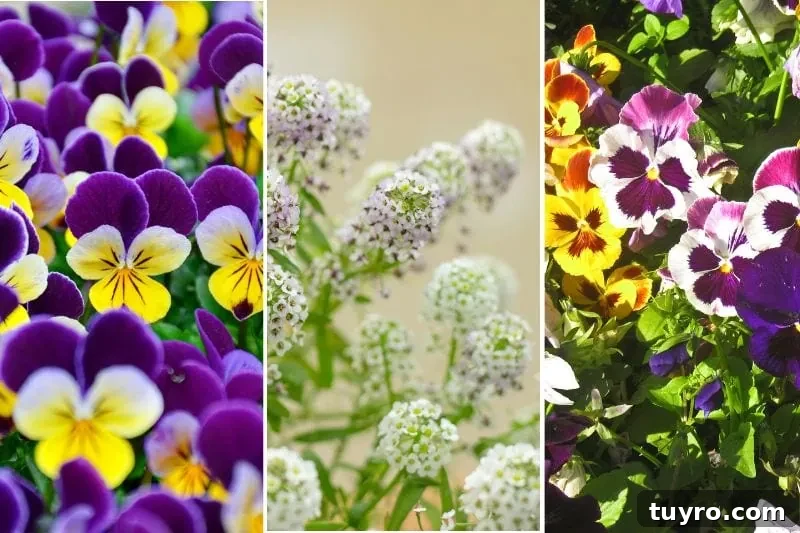
- Pansies & Violas — Closely related cool-season annuals, pansies and violas perform well in cool nights and tolerate light frost. They bring cheerful color to beds and containers in early spring and late autumn.
- Sweet Alyssum (Lobularia maritima) — A low-growing annual known for tiny, fragrant blooms, sweet alyssum thrives in cool weather and blooms continuously from spring through fall. It’s ideal for borders, rock gardens, and containers.
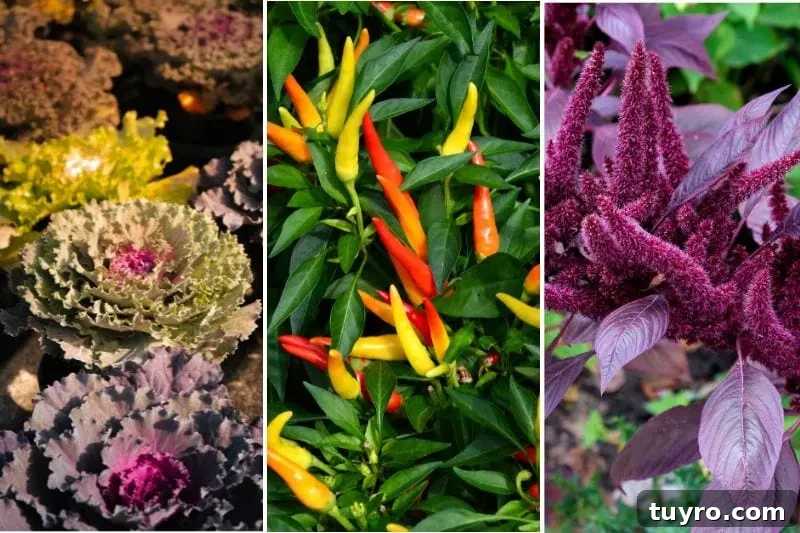
- Ornamental Kale — Cold-hardy and showy, ornamental kale develops vibrant pink, purple, and white foliage as temperatures drop. It’s grown mainly for seasonal interest and intensifies in color after the first frosts.
- Ornamental Peppers (Capsicum annuum) — Grown for their colorful fruit rather than flavor, ornamental peppers work well in containers, borders, or indoors. They add bright accents and can be moved to protect them from extreme cold.
- Celosia — Known for striking, velvety plumes, celosia blooms from late spring until the first frost. It prefers full sun and well-draining soil and is an excellent choice for borders, containers, and cut flowers.
For Reliable Perennials to Plant in Fall for Future Blooms
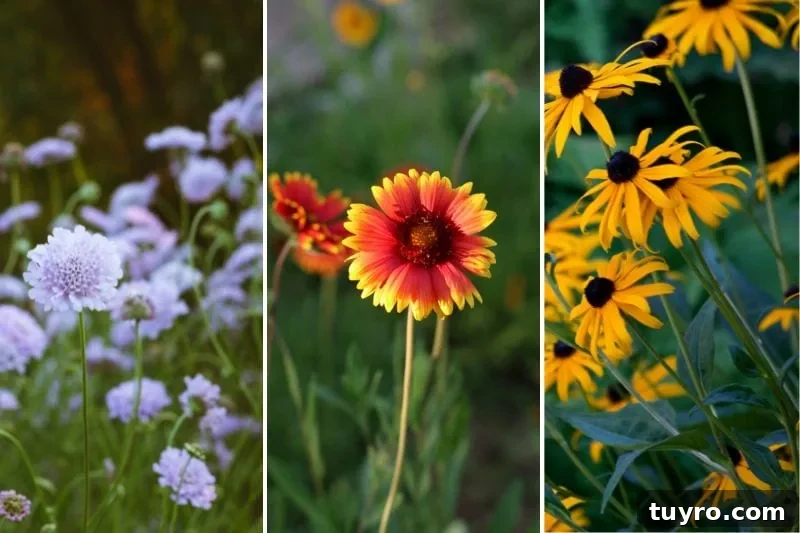
- Pincushion Flower (Scabiosa) — Valued for domed blooms and pollinator appeal, pincushion flower blooms from late spring through frost. It’s easy to grow, drought- and deer-resistant, and offers continuous flowers when planted in the right conditions.
- Blanket Flower (Gaillardia) — A tough, long-blooming perennial in warm reds, oranges, and yellows, blanket flower tolerates heat and drought while providing fiery color from summer into fall.
- Black-Eyed Susans (Rudbeckia) — These cheerful, drought-tolerant flowers produce bright yellow petals and dark centers. They bloom from summer into fall and perform reliably in borders and prairie-style plantings.
- Herbaceous perennials — Consider adding perennials such as Blue Star Amsonia or tall fountain grasses to add seasonal color and structure to borders; many perennials planted in fall establish roots and offer lasting interest.
For Bulbs to Plant in Fall that will Bring Spring Color
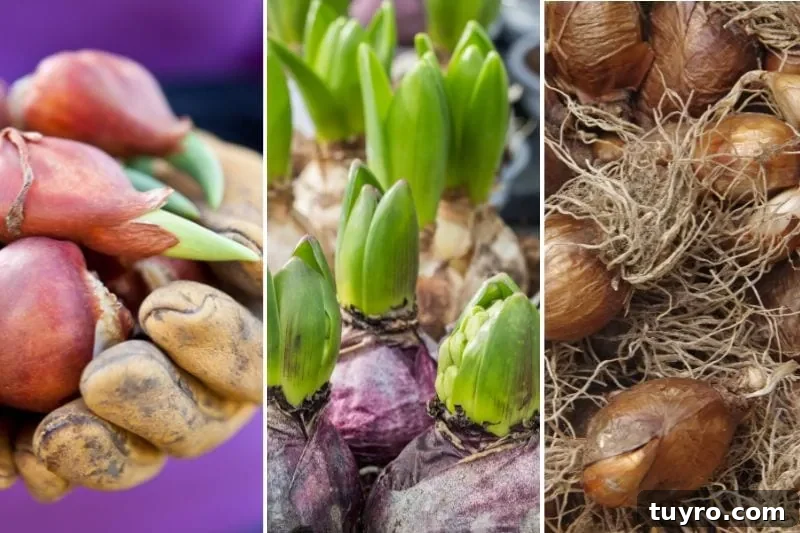
- Tulips — Tulip bulbs require a cold period (vernalization) and must be planted in fall to bloom the following spring. Plant them at the proper depth and allow them to overwinter in the soil.
- Hyacinths — Classic spring bulbs, hyacinths need fall planting to develop their fragrant, dense flower spikes in spring.
- Daffodils — Daffodils are a deer- and rodent-resistant bulb choice that naturalizes well and provides cheerful spring color.
- Grape Hyacinths (Muscari) — Small, early-blooming bulbs that are also resistant to deer and add lovely blue accents in early spring drifts.
For Hardy Annuals to Sow in Fall
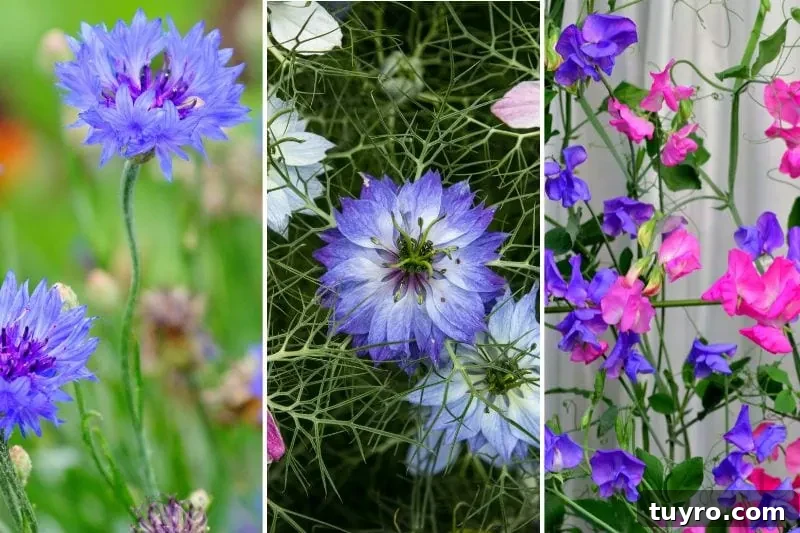
- Bachelor’s Buttons (Cornflowers) — These cottage-garden favorites come in blue, pink, lavender, and magenta. Easy to grow from seed, they produce abundant blooms for early spring bouquets and naturalistic plantings.
- Love-in-a-Mist (Nigella) — Nigella features lacy foliage and star-shaped flowers that transition to interesting seed pods by late summer. It provides delicate texture in beds and cut arrangements.
- Sweet Peas — Fall-sown sweet peas climb by tendrils and reward gardeners with fragrant blooms in the cool months. They are a classic cottage-garden vine for trellises and fences.
- Queen Anne’s Lace (Ammi majus) — An easy annual with lacy umbels ideal for cut arrangements and meadow-style plantings.
Fall Flower Garden Pro Tips:
- Fall planting gives new plants a head start. Cooler nights and warm days in autumn encourage root development so plants establish before winter and often bloom earlier and stronger the following year.
- Know your frost dates. Timing is important. Check local frost dates and planting zones to determine the best window for your area.
- Prep your soil well. Remove weeds and debris, loosen the top few inches of soil, and incorporate compost or organic matter to support healthy root growth.
- Mulch generously. A layer of mulch insulates soil, conserves moisture, and suppresses weeds.
- Water consistently, but don’t overdo it. Keep new plantings evenly moist without allowing standing water that can cause root rot.
- Loosen root balls before planting. Gently tease apart compacted roots so they can grow into surrounding soil.
- Go easy on fertilizer. Avoid heavy feeding at planting time; excessive fertilizer can stimulate tender growth that may be vulnerable to frost.
- Use containers for flexibility. Pots let you move plants to sheltered spots if severe cold or unexpected weather arrives.
- Feed naturally when you do fertilize. Compost, well-rotted manure, kelp, or alfalfa meal are gentle organic options to nourish plants.
- Choose bulbs with staggered bloom times. Selecting bulbs that flower across late winter and spring gives you continuous color through the season.
With warm soil still holding summer heat, cooler temperatures, fewer pests, and often reliable autumn rains, fall creates excellent conditions for plants to establish strong root systems. Get out in the garden this season and plant a variety of flowers that will deliver vibrant autumn color now and a richer display next spring.