A few years ago I traveled to Bogotá to lead workshops at an international school conference. I didn’t expect much from the food—conference meals can be bland—but I was pleasantly surprised: every dish was delicious and revealed a bit of Colombian culture.
I looked forward to each meal because the food was authentic and rooted in local tradition, not the usual generic conference fare. Dining with teachers who lived in Colombia taught me about regional recipes and cooking techniques. Naturally, I paid special attention to desserts, sampling cakes, cookies, pastries, and traditional candies.
Today I’m happy to share this guest post from Adam, who lives in Cartagena, highlighting Colombian desserts and sweets you should try when visiting the country.
10 Must-Try Colombian Desserts and Sweets
1. Tres Leches Cake
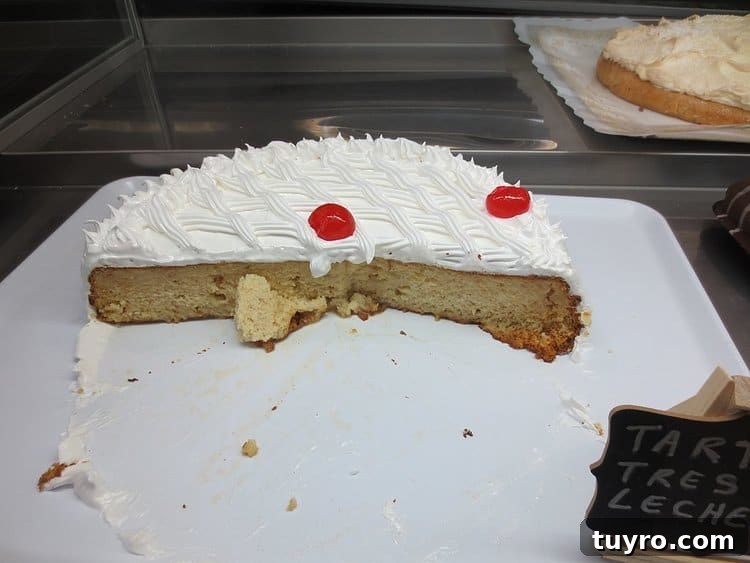
Tres Leches is popular throughout Colombia and much of Latin America. The name says it all: a sponge cake soaked in three kinds of milk—evaporated milk, condensed milk, and heavy cream. In Colombia it’s often finished with a light merengue frosting.
A well-made tres leches is moist without being soggy, rich, and sweet. It appears at family gatherings and on many dessert menus. Variations include arequipe (caramel) or fruit toppings, though a simple cherry on top remains common.
2. Arequipe (Dulce de Leche / Manjar)
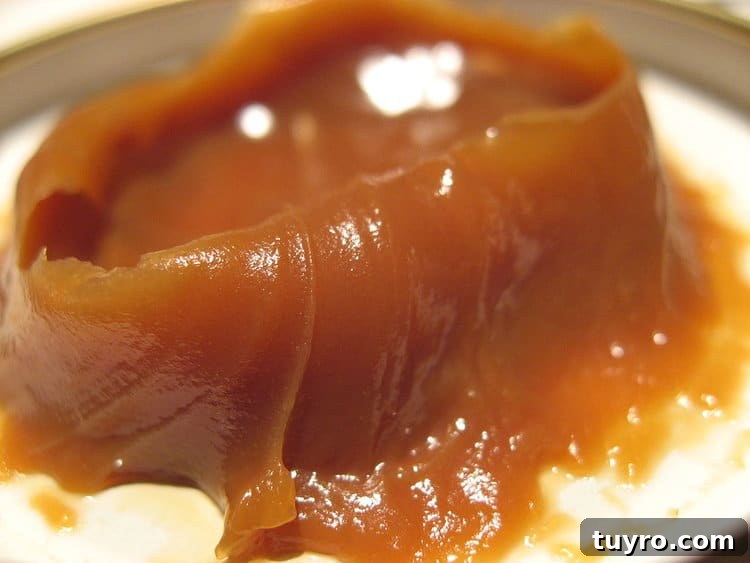
Arequipe is a milky caramel-like spread found across Colombia. Thicker and richer than water-based caramel, it’s used as a topping or eaten on its own and is commonly sold in single-serving cups.
You’ll encounter artisan versions flavored with chocolate, coconut, or coffee. My favorite is the coffee-flavored arequipe—delicious on its own, on toast with peanut butter, or stirred into coffee. In regions like Cali you may find manjar or manjar blanco, and a unique cortado version mixed with small chunks of cheese.
3. Cocadas
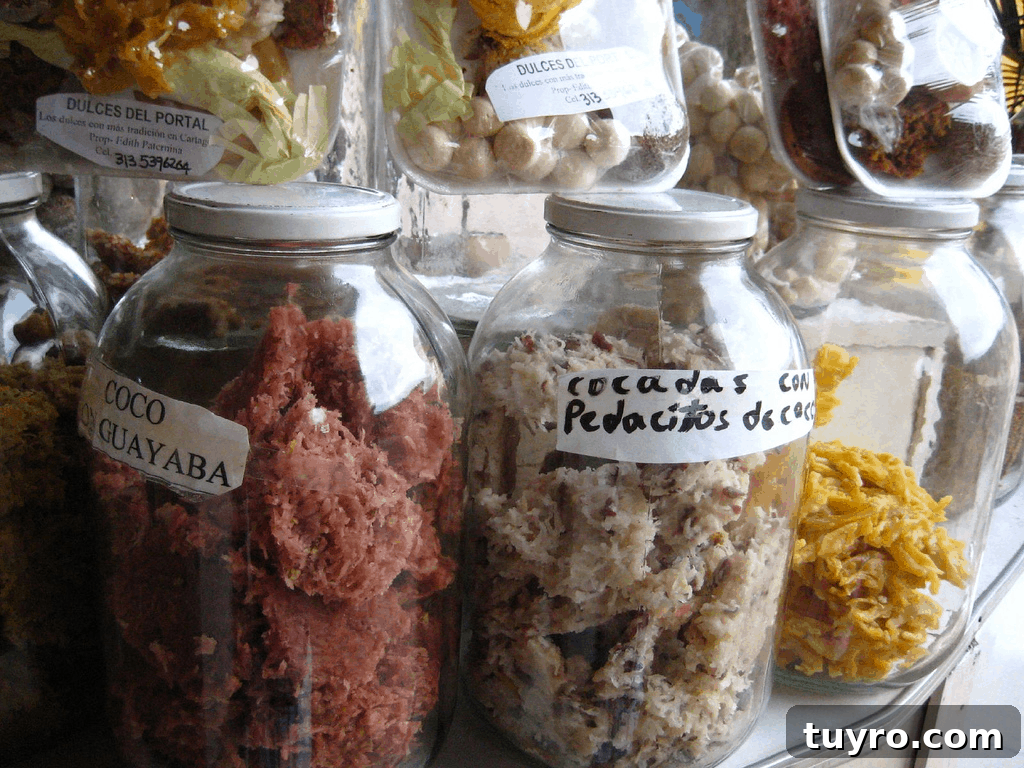
Cocadas are coconut patties commonly sold along Colombia’s coast. Often enjoyed as a sweet snack, the best homemade versions come from street vendors. In Cartagena you can find them at the Portal de los Dulces near the Clocktower.
Traditional cocadas are made with panela (unrefined cane sugar) and have a brown color that complements the coconut. There’s also a creamier white version made with milk and variations that include arequipe or fruits like pineapple and guava. They’re perfect for a beachside treat.
4. Enyucado
Enyucado is a coastal cake made with mashed yuca (cassava) instead of wheat flour. It includes coconut, anise, sugar, salt, and costeño cheese, creating a sweet yet slightly savory cake with a moist, almost custardy texture.
You’ll find enyucado sold by the same vendors who offer cocadas, at the beach, and at local sweet markets in Cartagena. It represents the African and Indigenous influences on coastal Colombian cuisine and is a distinctive dessert to try.
5. Obleas
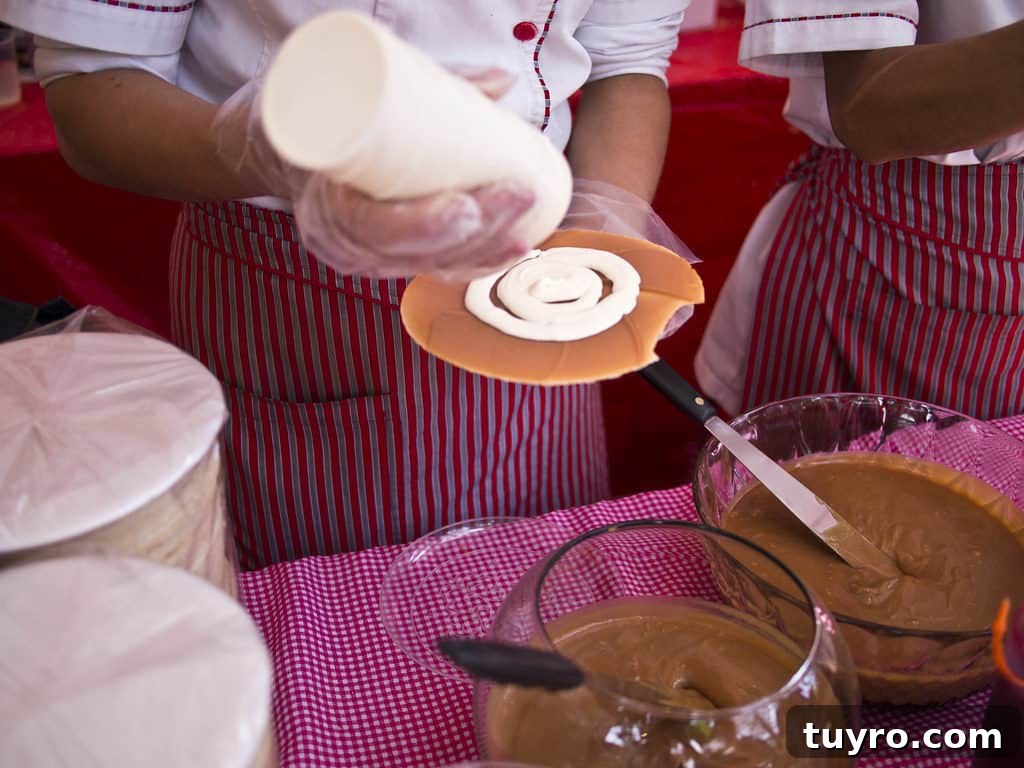
Obleas are thin wafer sandwiches similar in texture to an ice cream cone. They’re typically filled with arequipe and can include extra toppings like fruit or sprinkles. Street vendors sell obleas across the country, especially in interior regions.
6. Arroz con leche
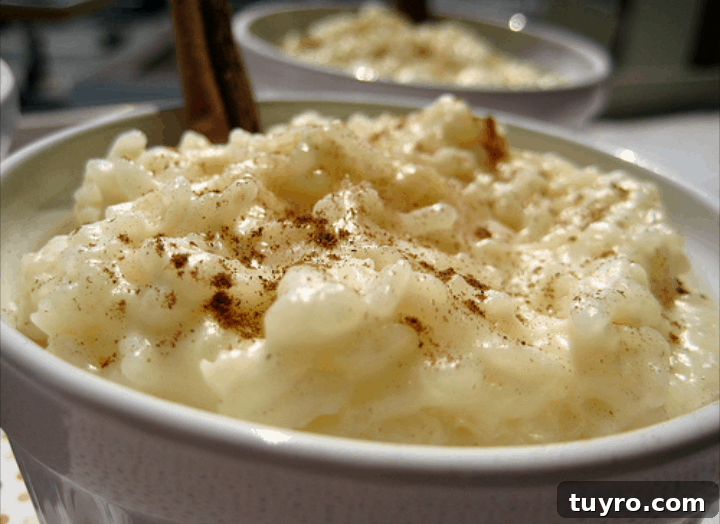
Rice is ubiquitous in Colombian meals, so it’s no surprise rice pudding—arroz con leche—is a cherished dessert. Recipes vary by region and family, but it’s always sweet, creamy, and commonly flavored with cinnamon and raisins.
Arroz con leche is a comforting homemade staple and appears on menus at restaurants that serve traditional Colombian food.
7. Raspao (Cholado / Cholao)
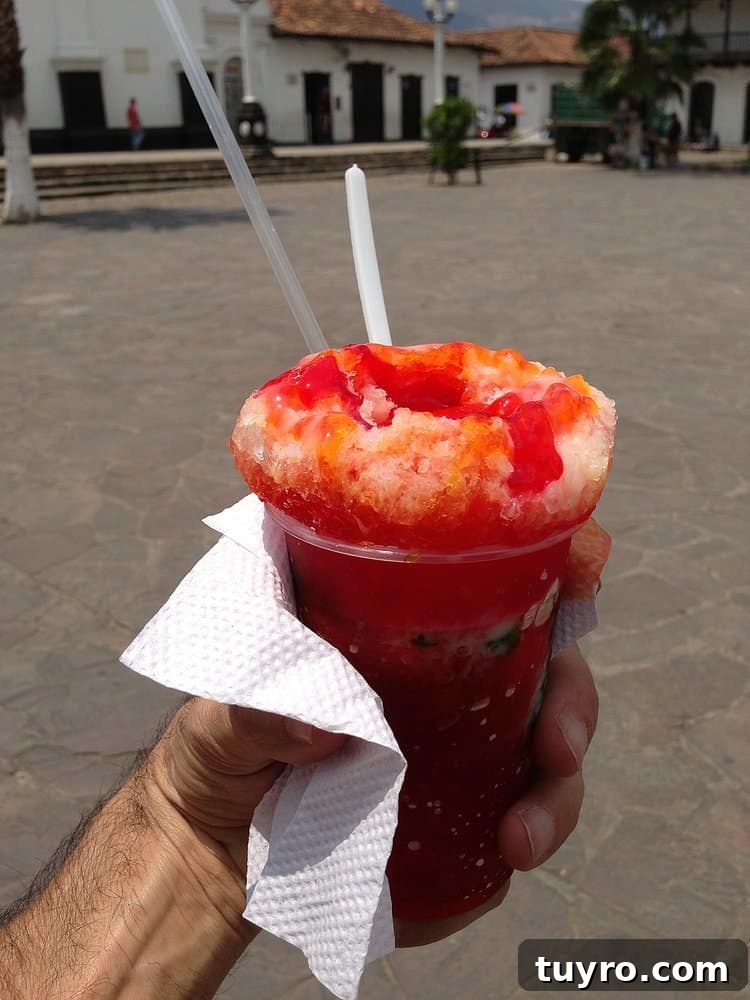
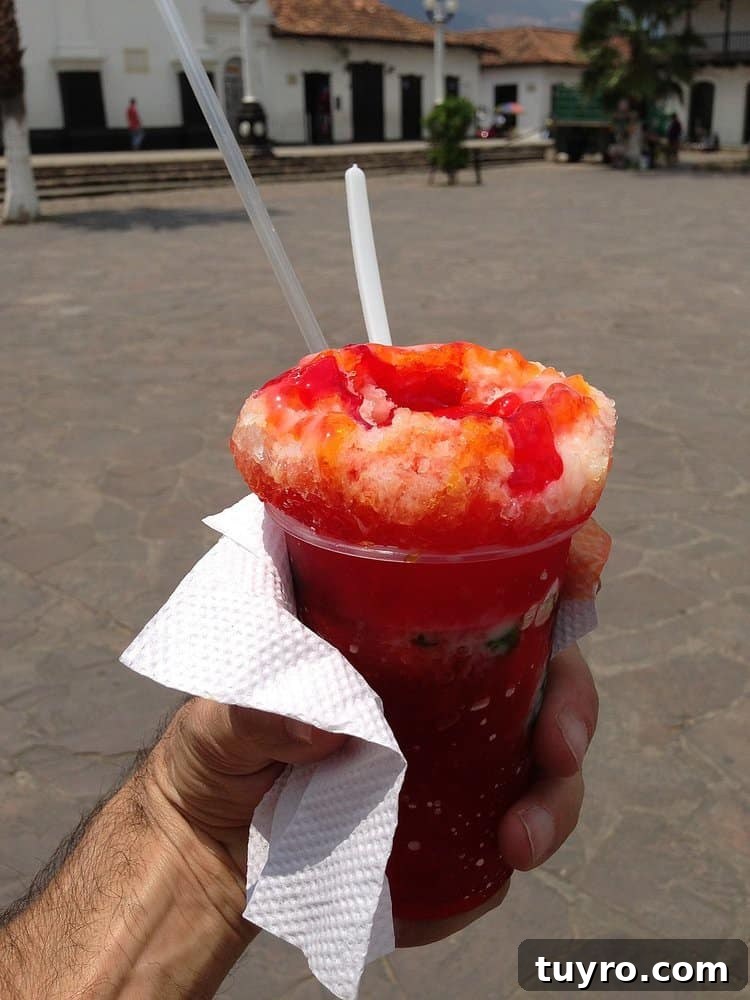
Raspao—shaved ice with flavored syrup—is popular along the Caribbean coast. In Cartagena, a traditional syrup flavor is kola, modeled after the local soda Kola Román. Vendors often add fruit or condensed milk.
In the Valle del Cauca, cholado (or cholao) elevates the concept: shaved ice topped with a variety of fresh fruits and condensed milk, resembling a fruit salad more than a simple snow cone. These treats are sold from carts with ice-shaving machines and large jars of fruit and syrups, ideal for cooling off in the heat.
8. Torta Negra
Torta negra is a traditional celebration cake in Colombia, historically served at birthdays, holidays, and weddings. It features dried fruits (prunes, raisins, figs), burnt sugar, and sweet red wine. After baking, the cake is often soaked in wine and sometimes rum for several days to enrich the flavor.
Recipes vary between grandmothers, and some versions include nuts, spices, molasses, or chocolate. While opinions on fruitcake differ, torta negra remains a nostalgic and deeply traditional dessert, commonly found at Christmas and at many weddings.
9. Natilla
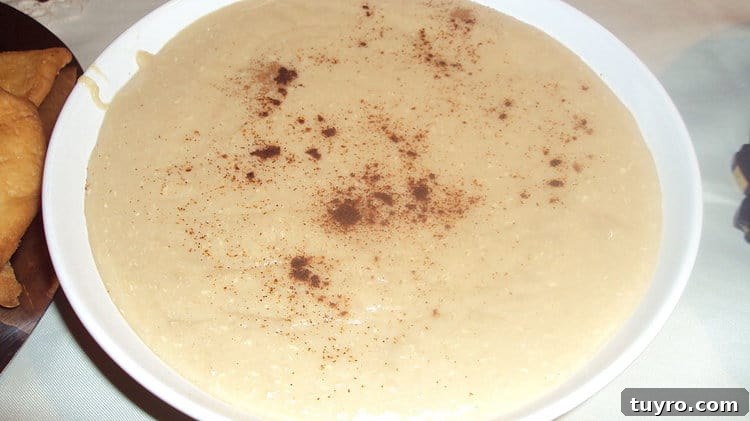
Natilla is a seasonal custard made from cornstarch and milk, flavored with cinnamon and often served at Christmas alongside buñuelos (fried cheese fritters). Its texture resembles a firm flan and it can be served in slices or cups, sometimes with added spices like nutmeg or fruit.
Natilla is a Christmas Eve staple in Colombian homes and commonly appears on festive restaurant menus during the holidays.
10. Jalea de Tamarindo
Jalea de tamarindo is a coastal favorite made from tamarind pulp mixed with sugar and whisked with an egg white to create a creamy, sweet-tart preserve. The flavor is simultaneously sweet and tangy—an acquired taste many visitors love.
Jalea is often seasonal and most easily found around Easter, when vendors sell traditional sweets. If you try it, be sure to enjoy the pulp and suck the seed shells for the full experience.
Conclusion
Those are ten Colombian desserts worth trying. The list leans toward the Caribbean coast, where Adam lives in Cartagena, but every region of Colombia has unique sweets and local specialties. If you see a popular item being bought by locals at a shop or street stall, don’t hesitate to try it—you’ll likely discover something memorable.
Author Biography
Adam McConnaughhay has lived in Cartagena, Colombia since 2011. When not working as a teacher or snacking on cocadas, he writes about Cartagena and other Colombian destinations at www.cartagenaexplorer.com. You can also find him on Facebook and Instagram @ctg_explorer.
Looking for Colombian Recipes? Check out these great cookbooks:
- Dulce: Desserts in the Latin-American Tradition
- Secrets of Colombian Cooking
- Food and Cooking of Colombia and Venezuela: traditions, ingredients, tastes, techniques, 65 classic recipes
- Latin American Paleo Cooking
- Latin American Street Food
- Empanadas: The Hand-Held Pies of Latin America
What to Read Next:
- 10 must-try German desserts
- How to make Ecuadorian espumilla
- How to find the best travel purse
- Why you need a travel scarf with a secret pocket
- 10 must-try Hungarian desserts
*Unless otherwise noted, photos are creative commons or were authorized for use in this article by the contributor.