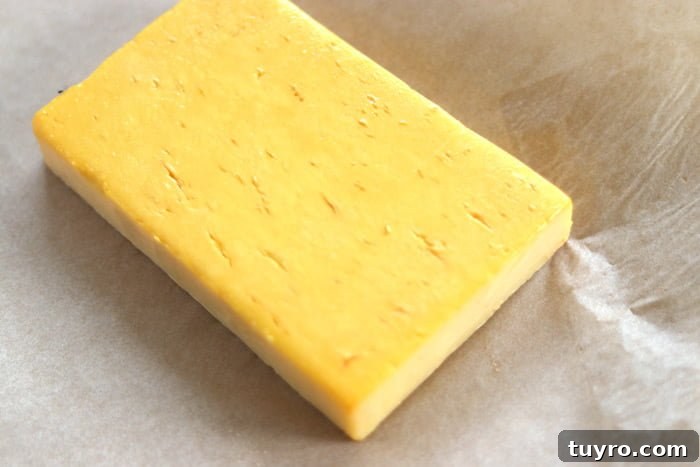
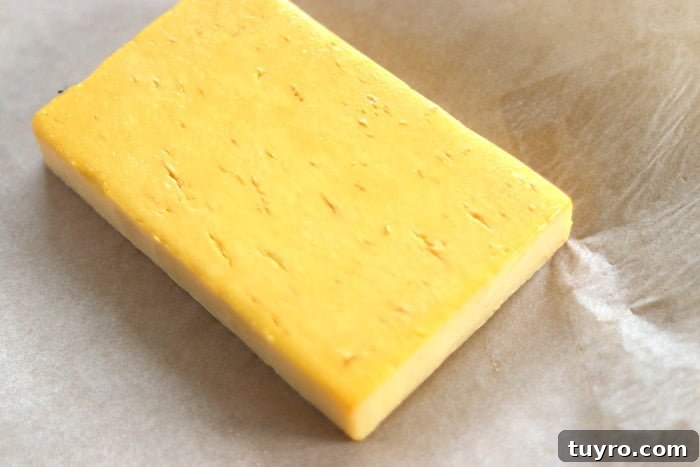
Smoked cheese offers a rich, nutty flavor that far surpasses most store-bought varieties, and it’s easier to make at home than you might think. This guide explains how to cold smoke cheese simply and effectively.
- Best Cheese to Smoke
- How Long to Smoke Cheese
- What Temperature to Smoke Cheese?
- How to Store Smoked Cheese
- How to Smoke Cheese
- Smoked Cheese [Cheddar & Gouda]
Is there anything cheese can’t improve? It’s a perfect topping, side, or snack. Follow these steps to make outstanding smoked cheese at home.
Best Cheese to Smoke
Most cheeses that won’t fall through your smoker grates can be cold smoked. For reliable results, choose a cheese that is relatively firm and mild in flavor.
Soft cheeses absorb smoke quickly and can become overpowering or melt during smoking, so they’re harder to manage. Harder, milder cheeses like gouda and mild cheddar strike a great balance: they hold up to cold smoking and take on smoke without being dominated by it. These are excellent choices for dishes like smoked mac and cheese.
Other commonly smoked cheeses include:
- Cheddar
- Mozzarella
- Pepper Jack
How Long to Smoke Cheese
Cold smoking itself is typically short—about two hours for most firm cheeses. After smoking, the cheese benefits from resting. Vacuum-seal the smoked cheese and refrigerate it for one to two weeks. This resting period lets the smoke mellow and the flavors develop, reducing any sharp, acrid notes that can appear immediately after smoking.
What Temperature to Smoke Cheese?
Cheese can start to soften or melt between 80°F and 90°F (27–32°C). Keep your smoker below this range—ideally under 90°F—to avoid melting. Use a reliable smoker thermometer to monitor and maintain a steady, low temperature throughout the process.
How to Store Smoked Cheese
For best shelf life and flavor, vacuum-seal smoked cheese and store it in the refrigerator. Properly sealed smoked cheese can last many months; avoid freezing, which alters texture and makes the cheese crumbly instead of smooth and creamy.
How to Smoke Cheese
Follow these practical tips to cold smoke cheese at home successfully.
Pick a Cold Day to Smoke
Cold smoking is easiest in cool weather—fall or winter—when ambient temperatures are no higher than about 60°F (15°C). Warmer conditions increase the risk of melting, especially if you rely on passive cooling rather than a dedicated cold smoker.
Cut the Cheese Into Smaller Portions
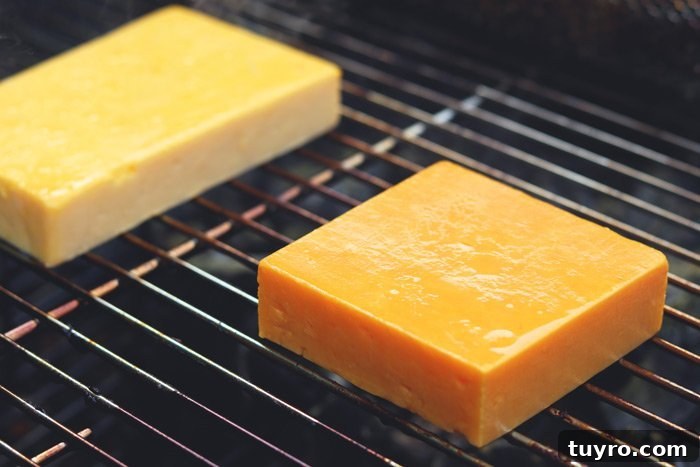
Remove any rind and cut the cheese into wedges or blocks about four inches long to increase smoke exposure and reduce smoking time. If you want a smokier outer layer with a softer interior, leave larger pieces intact.
Bring It to Room Temperature
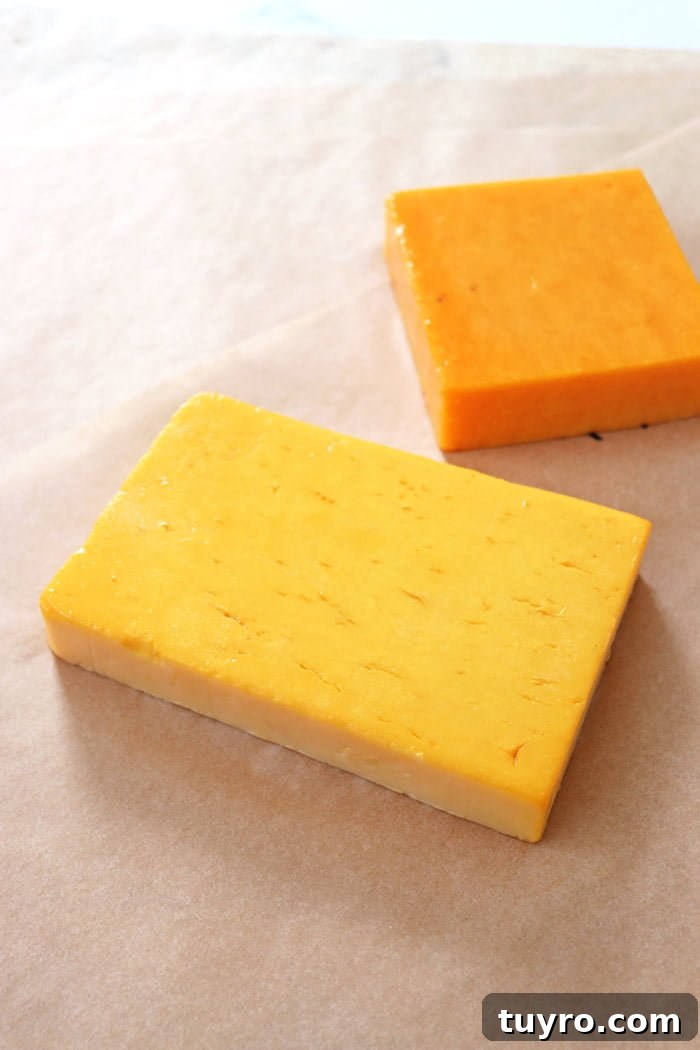
Smoking from room temperature yields more consistent results. Allow cheese to sit at room temperature for one to two hours before smoking and wipe off any surface moisture. Smoking from frozen or very cold cheese can change texture and color unpredictably.
Choose the Right Smoking Wood
Pick a mild wood that complements the cheese. Fruitwoods like apple and cherry or nutwoods like pecan are excellent choices for mild cheeses. For firmer, stronger cheeses you can try oak or hickory, but start mild until you know how each wood affects flavor. You can also experiment with nutshells or dried tea leaves for unique profiles.
Keep the Temperature Low
Maintain a cold smoking environment below 90°F. To help stabilize temperature, place pans of ice inside the smoker to cool the air. This reduces the risk of the cheese sweating or melting if outdoor temperatures fluctuate.
Turn Regularly
Rotate cheese pieces every 15–30 minutes so each surface receives even exposure to the smoke and color develops uniformly.
Pay Attention to Time
Smoking time depends on cheese type and how smoky you want the final product. Sessions can range from 30 minutes to several hours; harder cheeses generally tolerate longer times. For most gouda or cheddar blocks, about two hours produces a well-colored rind with balanced smoke. Avoid overexposure—cheese absorbs smoke faster than meat and can become acrid if left too long.
Keep the Smoke Light and Constant
Aim for a steady, thin stream of smoke rather than heavy billows. Add small amounts of wood chips or pellets at intervals to maintain continuous, even smoke without overwhelming the cheese.
How to Set Up Your Smoker
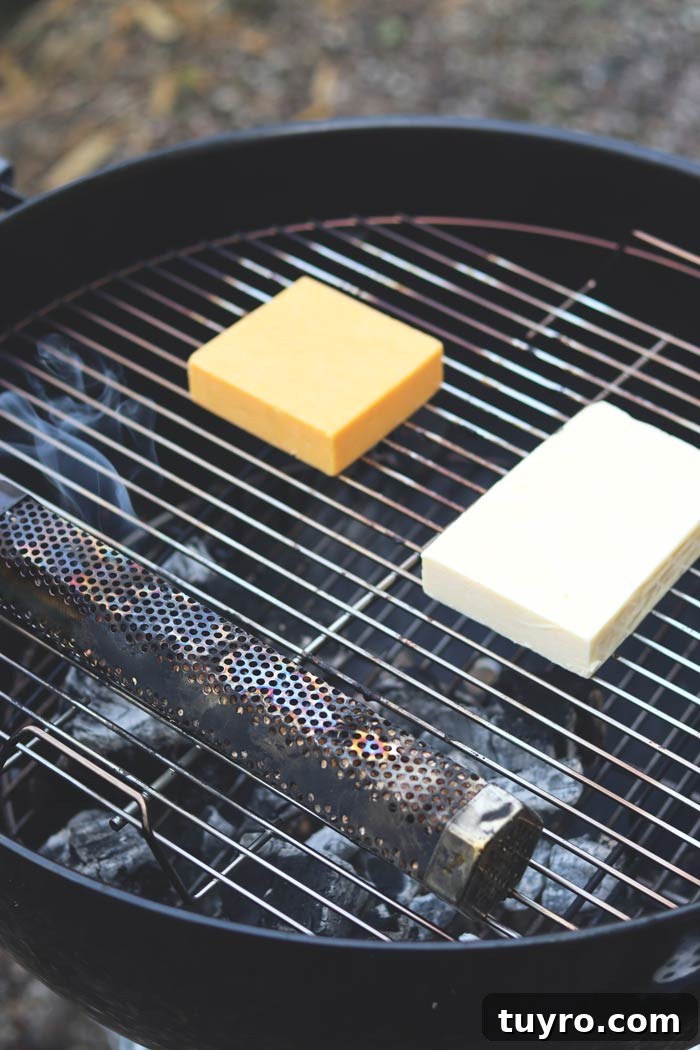
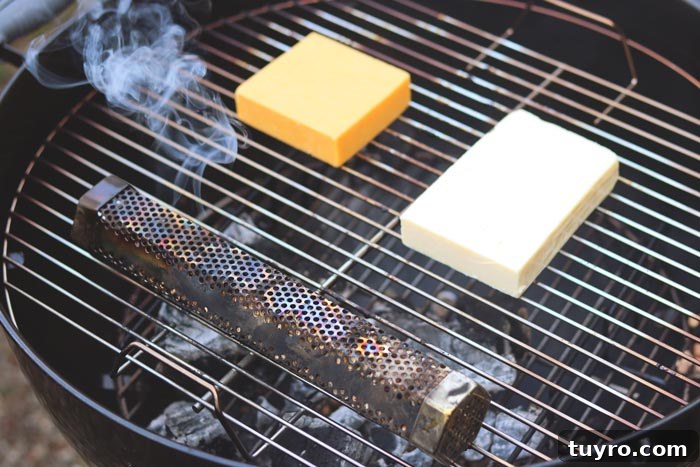
You can cold smoke using a grill, pellet smoker, or offset smoker as long as it provides good ventilation. Use a smoke tube or a cold smoke generator to produce smoke without heat. Light the generator and use mild wood like apple, cherry, or pecan. Monitor the surface temperature with a grill thermometer to ensure it remains under 90°F (32°C).
Place your cheese wedges on the smoker grates with space between pieces for airflow. Close the lid and cold smoke for around two hours, turning every 30 minutes. After smoking, remove the cheese and wrap it loosely in parchment so it can breathe.
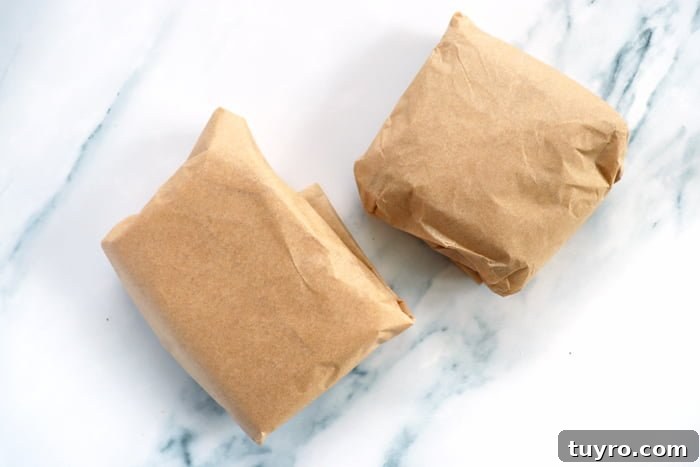
Refrigerate the wrapped cheese for 24 hours, then rewrap in vacuum-seal or airtight plastic. Let it rest in the refrigerator for one to two weeks. This rest period allows the smoke to integrate and the flavors to mellow into a balanced, delicious cheese.
Smoked Cheese [Cheddar & Gouda]
Equipment
-
Charcoal smoker
-
Smoke tube
-
Applewood
-
Grill surface thermometer
-
Parchment paper
Ingredients
- 8 lbs cheese Gouda or mild cheddar
Instructions
-
Set up the smoker for cold smoking with a tube smoker or cold smoke generator. Add applewood and ensure the temperature stays below 80°F (26°C) with a surface thermometer.
-
Place cheese blocks on the smoker grates, close the lid, and smoke for 2 hours, turning every 30 minutes for even coverage.
-
Remove the cheese and wrap it loosely in parchment paper so it can breathe.
-
Refrigerate the wrapped cheese for 24 hours, then vacuum-seal or tightly wrap and store in an airtight container. Rest in the refrigerator for 1–2 weeks to let the smoke mellow and the flavor develop.