
Getting sick during the holidays is not inevitable. You have more control over catching a cold or the flu than you might think. Below are three practical tips to prevent getting sick during holidays—simple, evidence-backed strategies to help you stay well while enjoying celebrations.
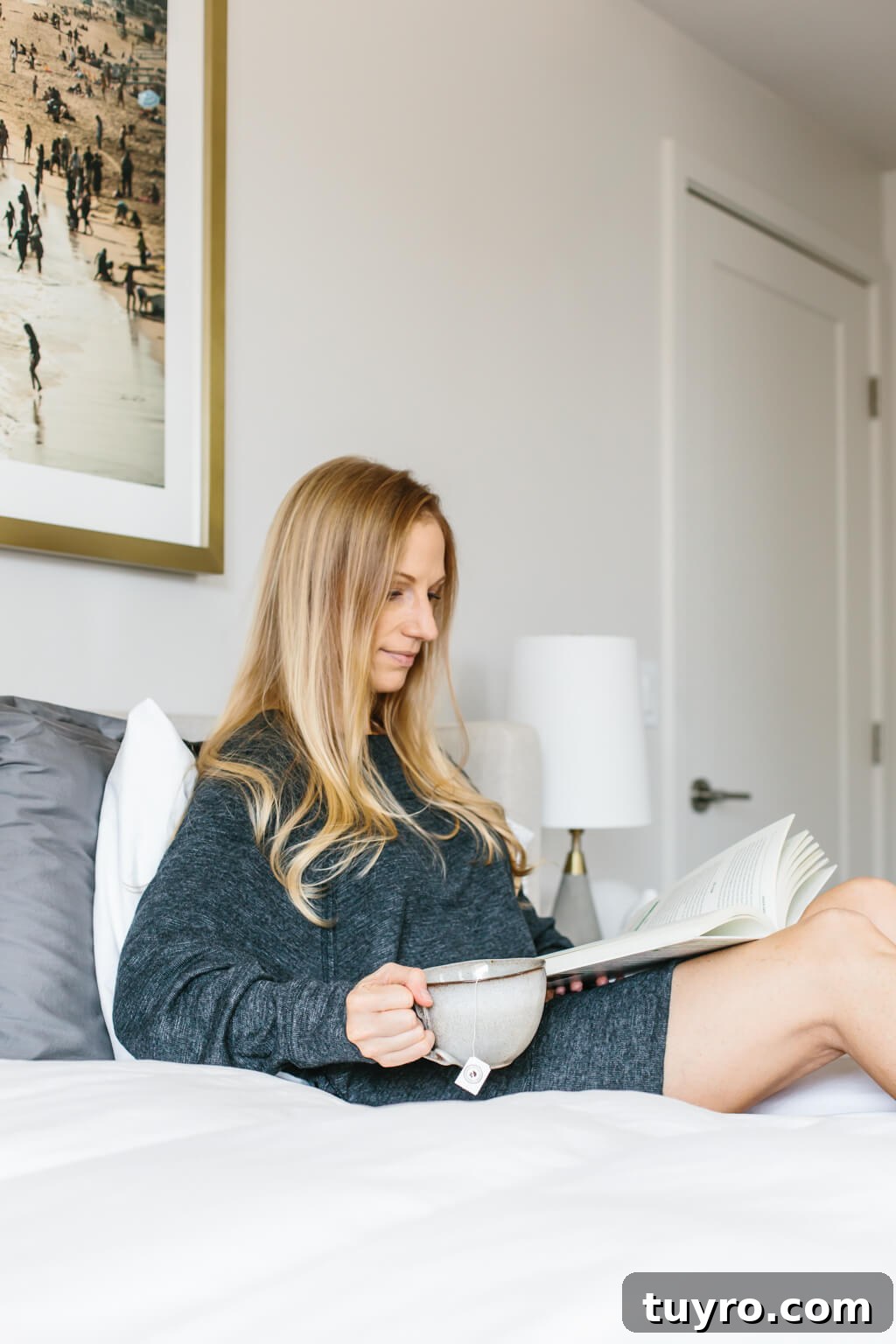
Many people assume holiday illnesses are simply “that time of year”: colder weather, crowded gatherings, and travel all seem to conspire against our health. But I learned over time that there are consistent behaviors common to most holidays that weaken the immune system and make us more vulnerable. Once I started paying attention to sleep, alcohol use, and sugar intake around holidays, the pattern became obvious: after parties and long weekends, more people fall ill because their defenses were lowered.
These vulnerabilities aren’t bad luck. They are predictable results of choices we make during celebrations. The good news is they’re easy to address. Below are three focused strategies to help you protect your immune system and reduce the risk of catching a cold or flu during holiday gatherings.
3 Tips to Prevent Getting Sick During the Holidays
Rather than relying on chance, use these practical tips to strengthen your immune defenses during holiday travel, parties, and family gatherings.
1. Make Sleep a Priority: Aim for 7–8 Hours
Sleep is one of the most powerful, natural supports for the immune system. When we sleep, our body releases immune-regulating proteins and repair processes that help fight infections. Interrupting or reducing sleep—common during late-night parties, travel, and holiday routines—can meaningfully impair immune function.
When you consistently get less sleep, you become more susceptible to viruses and take longer to recover. Prioritizing 7–8 hours of quality sleep around holidays can dramatically improve your resistance to colds and flu. If celebrations run late, consider cutting the evening short or scheduling a nap the next day to make up for lost rest.
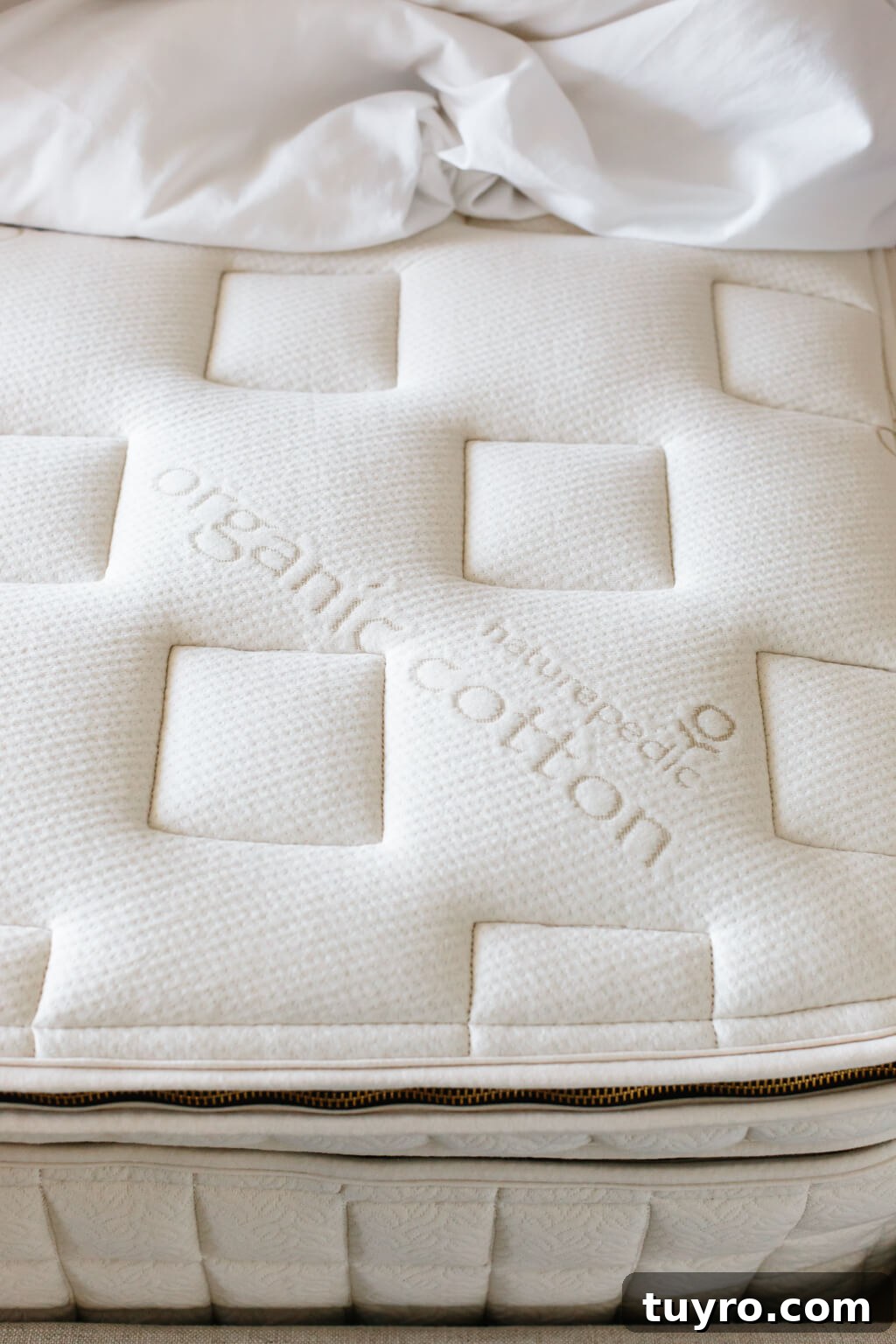
- THE FIX: Commit to 7–8 hours of restful sleep. Create a consistent bedtime routine, reduce screen time before bed, and keep your bedroom calm and comfortable. Ensure bedding and your mattress are clean and low in potential irritants—factors that support better sleep and overall immune health.
2. Limit Alcohol—Even Small Amounts Can Weaken Immunity
Holiday gatherings often mean more opportunities to drink. While an occasional drink can feel social and relaxing, alcohol affects immune response. Even a single alcoholic beverage can alter immune cell activity and gut integrity for hours. Because many holiday interactions involve close contact—hugs, handshakes, shared surfaces—lowered immunity in the hours after drinking increases the chance that exposure to a virus will lead to illness.
Alcohol also impacts the gut microbiome and gut barrier function, which are central to immune defenses. Disruptions to gut health can reduce the effectiveness of immune signaling and increase susceptibility to infection.
- THE FIX: Avoid alcohol if possible during high-risk periods. If you choose to drink, keep it to one serving, sip slowly, and pair it with food to slow absorption. Rehydrate afterward with water and prioritize sleep that night to support immune recovery.

3. Reduce Sugar and Sweets
Sweets are a hallmark of many holidays—cookies, pies, candies, and rich desserts are everywhere. But consuming a lot of sugar can blunt immune function. Research shows that high sugar intake can temporarily reduce the ability of white blood cells to respond to pathogens. In plain terms, after a sugary binge your immune system can be less effective at fighting off germs.
It’s also important to note that all forms of quickly absorbed sugars—refined sugar, syrups, some sweetened natural foods—can have similar short-term effects on immunity. Combined with late nights and alcohol, a sugar-heavy holiday can be a perfect storm for getting sick.
- THE FIX: Limit desserts and high-sugar treats. If you want to indulge, choose a small portion and savor it slowly. Balance sweet treats with protein, healthy fats, and fiber to slow sugar absorption. Staying hydrated and prioritizing sleep will also help counteract sugar’s short-term immune effects.
Keeping these three priorities—adequate sleep, minimal alcohol, and reduced sugar—will go a long way toward protecting your immune system during holidays and long weekends. Small changes in behavior can produce big differences in how resilient you feel after celebrations. Enjoy your family gatherings and festivities while giving your body the support it needs to stay healthy.
Wishing you healthy, happy holidays—may you enjoy the moments that matter without paying for them later with a seasonal illness.