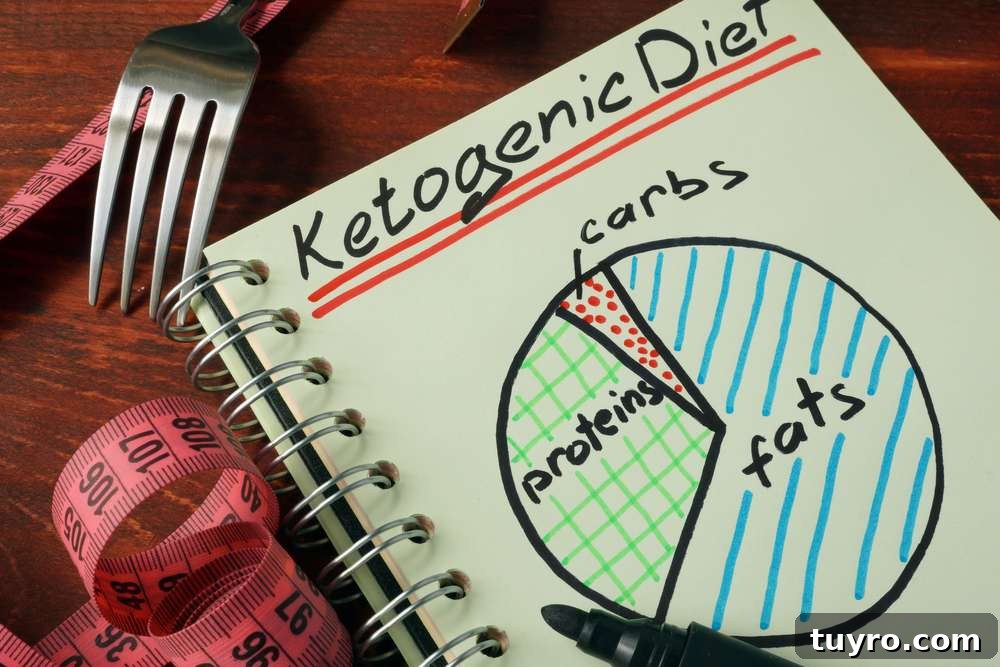
We live in a world focused on carbohydrates, and for many people the ketogenic diet has been transformative. That change, however, can be abrupt, and a common side effect—known as the “keto flu”—often discourages people from continuing. Before diving into how to prevent and treat keto flu, let’s review what the ketogenic diet involves.
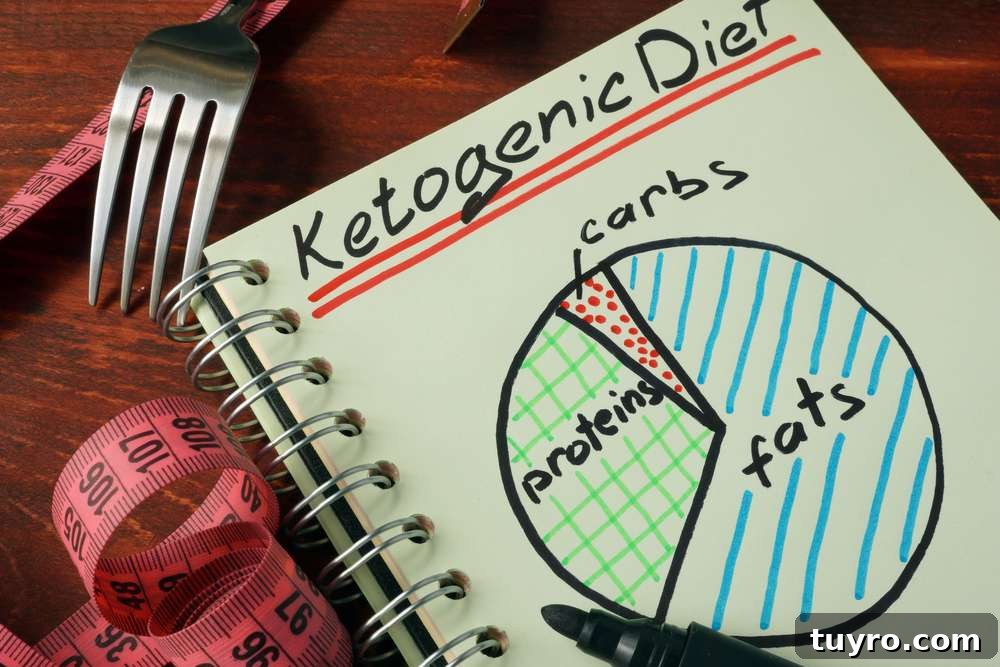
The ketogenic diet is a very low-carb, high-fat nutritional approach. Typical ketogenic protocols recommend that most calories—often over 70–80%—come from fat, with daily carbohydrates limited to a very small amount (in strict versions as little as 15 g), and protein usually set around 1 g per kilogram of body weight. Because the average diet relies heavily on carbohydrates, switching to keto represents a substantial shift in how the body obtains energy.
Interesting fact: The ketogenic diet was originally developed as a medical therapy for children with epilepsy.
What Is Keto Flu?
Keto flu describes a set of temporary, flu-like symptoms that can appear when someone drastically reduces carbohydrate intake. These symptoms arise as the body adapts from using glucose as its primary fuel to producing and burning ketones from fat. During this transition, many people experience discomfort as their metabolism recalibrates.
Preventing Keto Flu
It’s often possible to avoid or reduce keto flu by taking deliberate steps before and during the transition to a low-carb, high-fat diet.
Reduce Carbs Gradually
Cutting all carbohydrates overnight increases the likelihood of experiencing significant symptoms. A gradual approach—first eliminating processed carbs, then grains, and finally fruit or starchy vegetables—gives your body more time to adapt and often leads to a smoother transition.
Support Electrolyte Balance
Electrolyte loss is a major contributor to keto flu. As carbohydrates are reduced, the body sheds water and with it sodium, potassium, and magnesium. To counteract this, increase sodium slightly by seasoning food or drinking salted bone broth, include potassium-rich foods such as avocados, nuts, leafy greens, and salmon, and consider a magnesium supplement if needed.
Stay Hydrated
Because the body releases excess water during the early phase of a low-carb diet, staying well hydrated is essential. Regular water intake, herbal teas, and bone broth help prevent dehydration-related symptoms like headaches, fatigue, and nausea.
Keto Flu Symptoms to Watch For
If you suspect you have keto flu, common symptoms include:
- Nausea
- Stomach discomfort
- Brain fog
- Diarrhea or constipation
- Dizziness or lightheadedness
- Irritability
- Difficulty concentrating
- Muscle cramps or soreness
- Insomnia or disturbed sleep
How to Alleviate Keto Flu Quickly
Replenish Electrolytes
Addressing electrolyte imbalances is often the fastest way to relieve symptoms. Increase dietary sodium modestly, eat potassium-rich foods, and add magnesium from food or supplements as needed.
Prioritize Sleep
Quality sleep supports recovery and helps the body manage the metabolic stress of switching fuel sources. Aim for consistent, restorative sleep during the adaptation period.
Light Exercise
While intense workouts may feel difficult at first, gentle aerobic activity or light strength training a few times per week can encourage metabolic flexibility and support the body’s shift from carbohydrates to fat for fuel.
Increase Healthy Fats and Calories
As carbohydrate calories are reduced, replace them with nutrient-dense, keto-friendly fats so the body has sufficient energy. Adequate calorie intake helps reduce fatigue and supports overall function while adapting.
Consider Exogenous Ketones
Supplemental ketone products provide an external source of ketones that can help the body enter ketosis more quickly and may ease transition symptoms for some people. Use these cautiously and according to product guidance.
Patience and Perspective
Most people find that keto flu is a temporary phase lasting from a few days to a couple of weeks as the body adapts. Following the prevention and symptom-management strategies above can shorten and reduce discomfort during this period. For many, the initial discomfort is followed by benefits such as reduced bloating, more stable energy levels, and weight loss. Remember that a gradual, informed approach will usually yield the best, longest-lasting results.