If you’ve visited a fine restaurant or browsed a local farmers market, you’ve likely noticed sprouts on menus and produce tables. These tiny greens add texture and a fresh, crisp flavor to many dishes.
Sprouts work especially well in salads and pair beautifully with spiralized vegetable noodles for an extra burst of nutrition and crunch.
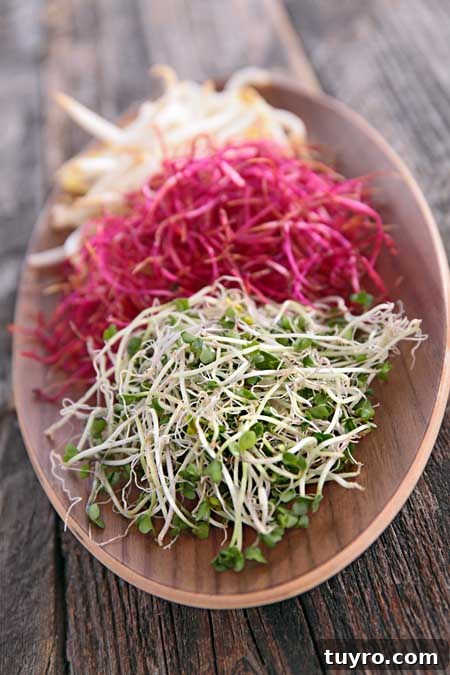
They also complement Asian-inspired dishes, sandwiches, and stir-fries, where a handful of fresh sprouts can brighten flavors and give a dish a finished, gourmet touch.
If you’re interested in growing sprouts at home, this guide will walk you through the simple process, the benefits, and the equipment you need. Sprouting at home is affordable, low-maintenance, and a great way to boost the nutrition in your meals.
What is Sprouting?
Sprouting is the process of soaking seeds, grains, legumes, or nuts in water, then rinsing and draining them regularly until they germinate. Typically you soak overnight, then rinse and drain for 2–4 days until tiny shoots form. On the final day you can expose them to sunlight to develop green leaves and chlorophyll.
The exact timing depends on the seed variety: some sprouts are ready in two days, others take longer. The method, however, remains straightforward and requires minimal equipment.
What Can Be Soaked and Sprouted?
Many types of food can be sprouted. Here are some of the most popular options:
- Nuts: almonds, cashews, Brazil nuts, hazelnuts
- Seeds: sunflower, flax, sesame
- Grains: amaranth, oat groats, quinoa, millet, kamut, wheat berries
- Legumes: adzuki beans, chickpeas, lentils, mung beans
What Are the Benefits?
Sprouting offers several notable benefits. Most importantly, soaking and sprouting reduces natural growth inhibitors such as phytic acid and enzyme inhibitors that can interfere with digestion. That process activates seeds and grains, increasing enzyme activity and making nutrients more available.
Sprouting can make nuts, seeds, grains, and legumes easier to digest and can raise the levels of certain vitamins and nutrients. Growing sprouts at home also cuts down on the cost of prepackaged sprouts and gives you fresher, more flavorful greens any time of year without soil or a lot of space.
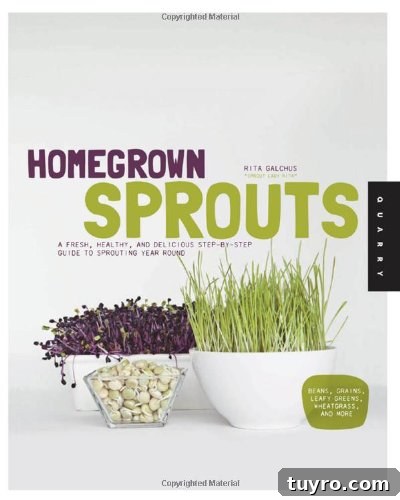
Foodal recommends Homegrown Sprouts: A Fresh, Healthy, and Delicious Step-by-Step Guide to Sprouting Year Round
What Equipment is Needed?
Seeds
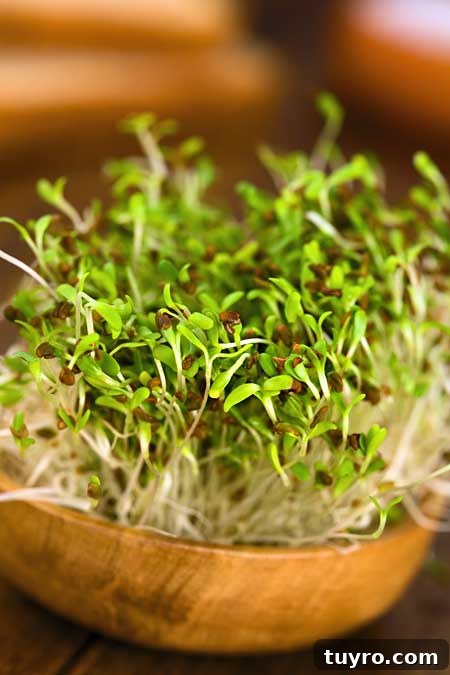
Seed quality matters. Choose organic, non-GMO seeds from reputable sources to ensure good germination rates and a clean taste. High-quality seed mixes often contain a variety of broccoli, clover, radish, and alfalfa—great for salads, sandwiches, and soups.
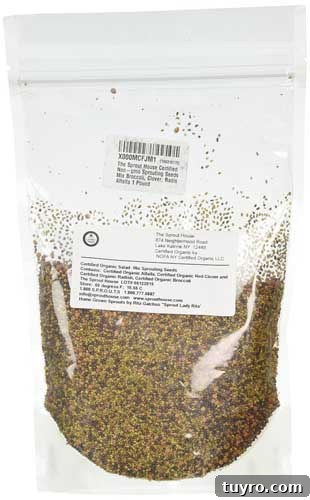
Lower-quality seeds may germinate poorly, so investing in reliable seeds will yield better results and save time.
Sprouting Trays
You can use dedicated sprouting trays, a simple glass jar with a breathable lid, or a sprouting bag. Each method works well—choose based on how much you want to grow and how much space you have.
Tray System
Multi-tray sprouters simplify larger batches. A four-tray system is compact yet productive; additional trays let you scale up as needed. These units typically have a base to catch water and stacked trays to grow different seeds.
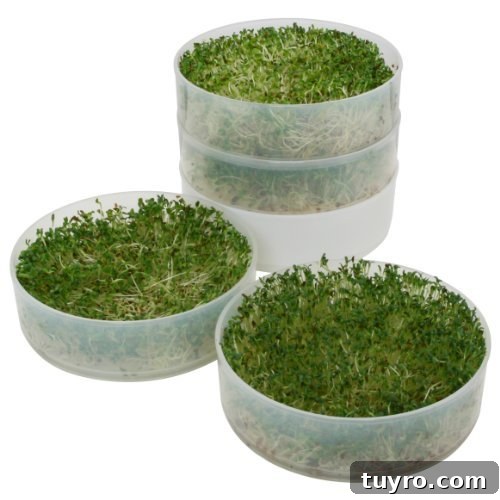
Glass Jar
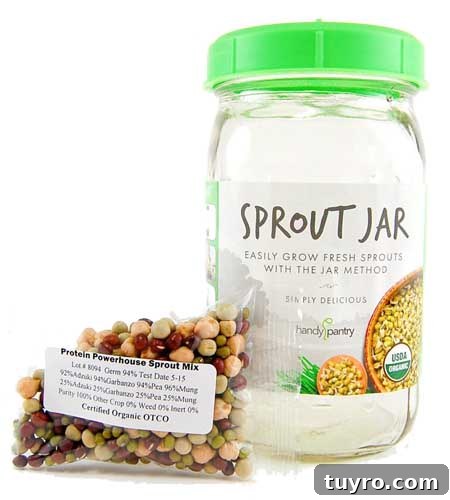
The classic one-quart glass jar with a strainer lid is the most common starter tool. Soak seeds in the jar, drain, and place it on its side to allow excess water to drain and air to circulate. Most sprouts are ready in 2–5 days. A strainer lid makes rinsing and draining easy without removing the lid.
Sprouting Bag
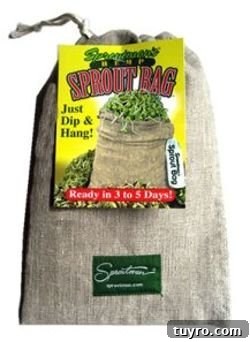
Sprouting bags offer another low-effort option. Hemp sprouting bags are durable, naturally resistant to mildew, and simple to use: place seeds in the bag, submerge to rinse, then hang to drain. Repeat rinsing 2–3 times daily. Bags are especially handy if you want to grow larger quantities with minimal fuss.
What Does the Process Entail?
Step #1 – Soaking
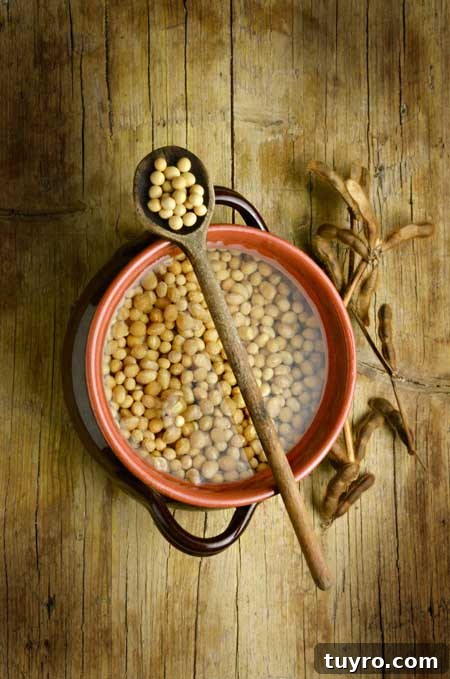
Place seeds in your jar, bowl, or bag and add at least twice as much water as seeds. For example, 1–3 tablespoons of clover seeds need about 2–4 cups of water to soak. Cover with a breathable lid or cheesecloth and soak 8–12 hours to rehydrate and begin the germination process.
Step #2 – Drain & Rinse
After soaking, drain and rinse the seeds thoroughly. Repeat rinsing twice a day, then place the jar at an angle or hang the bag so excess water drains away. Keep sprouts in a dark, room-temperature spot for the first few days. Proper drainage and airflow help prevent mold.
Step #3 – Sunshine
On the final day of sprouting, move the sprouts into light for about a day to develop green leaves and boost chlorophyll. This short exposure enhances flavor and appearance.
Step #4 – Storage
Store harvested sprouts in the refrigerator in a sealed bag or glass container. Most sprouts stay fresh for 2–4 days when kept cold and dry.
Step #5 – Using Your Sprouts
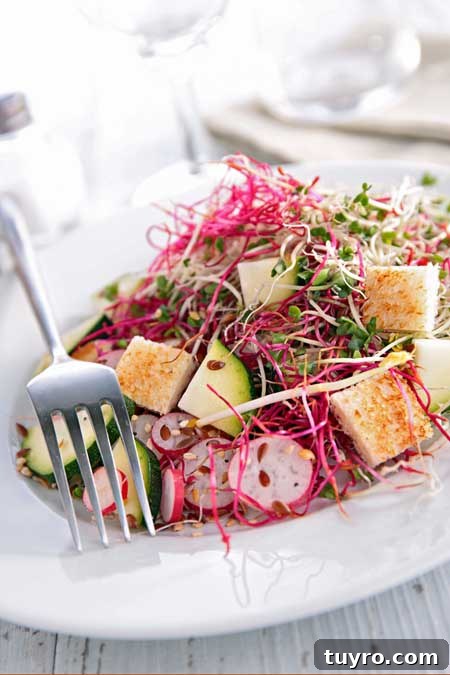
Sprouts are versatile: toss them on leafy salads, add to sandwiches, pile on gourmet burgers, or use in tacos and wraps. Many varieties also blend well into savory dishes like stir-fries, soups, and grain bowls, providing crunch, freshness, and added nutrition.
With minimal equipment and a little daily attention, you can enjoy fresh, nutrient-rich sprouts at home year-round.