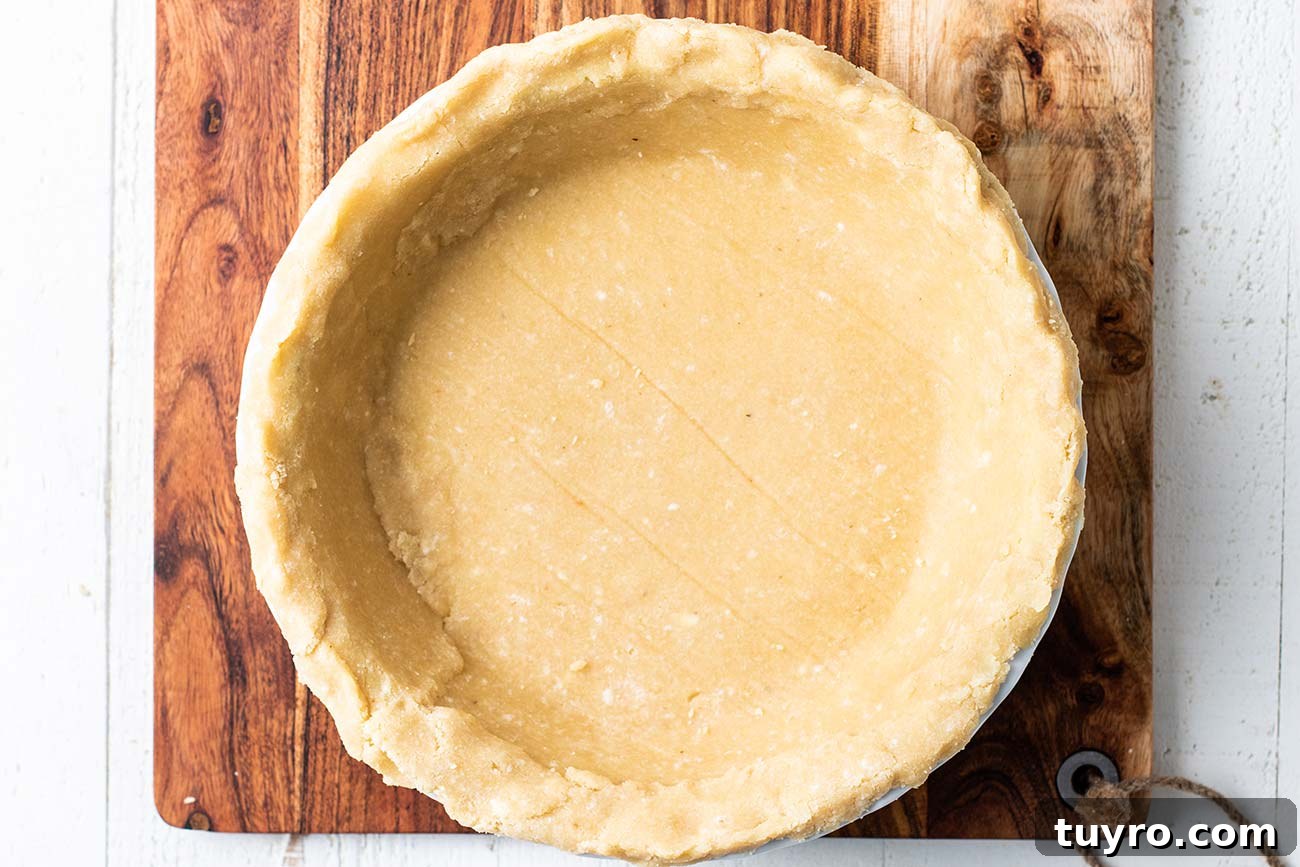
A paleo, gluten-free almond flour pie crust that’s versatile and truly delicious. If you want a gluten-free crust that behaves and tastes close to traditional pie crust, this is one of the best.
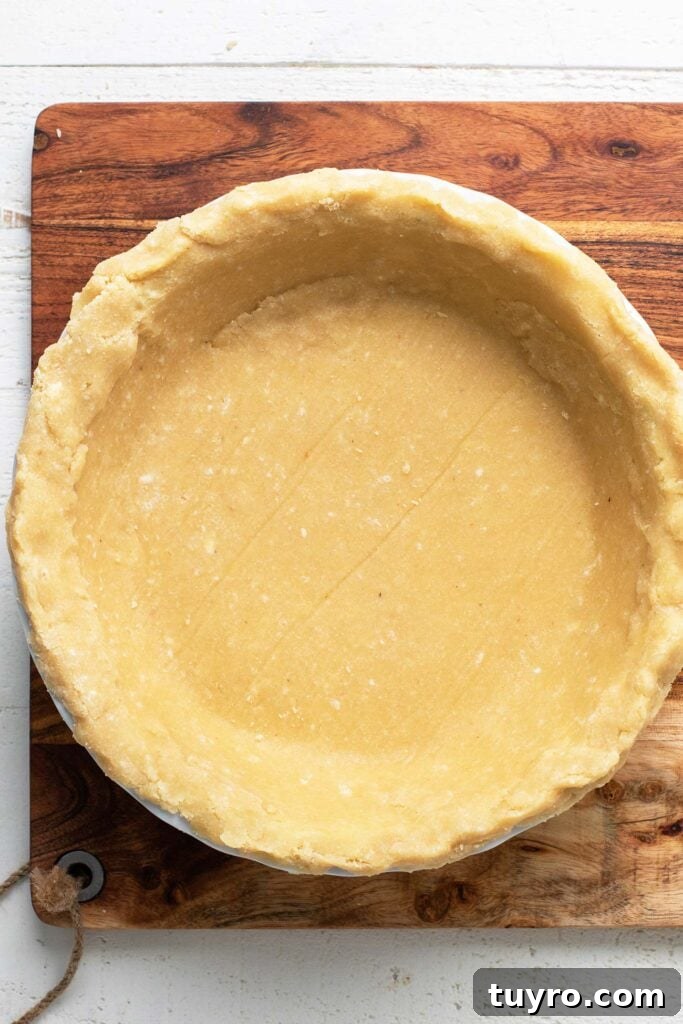
The Perfect Gluten Free Pie Crust
Almond flour is a favorite for gluten-free baking because it looks and bakes similarly to white flour and gives a pleasant, mild flavor. Yes—you can use almond flour for a pie crust, but it behaves differently than wheat flour, so follow a few simple tips for best results.
Key tips for success:
- Almond flour is more crumbly. Without gluten, the crust benefits from binding aids such as egg white, a small amount of coconut flour, and arrowroot or tapioca starch.
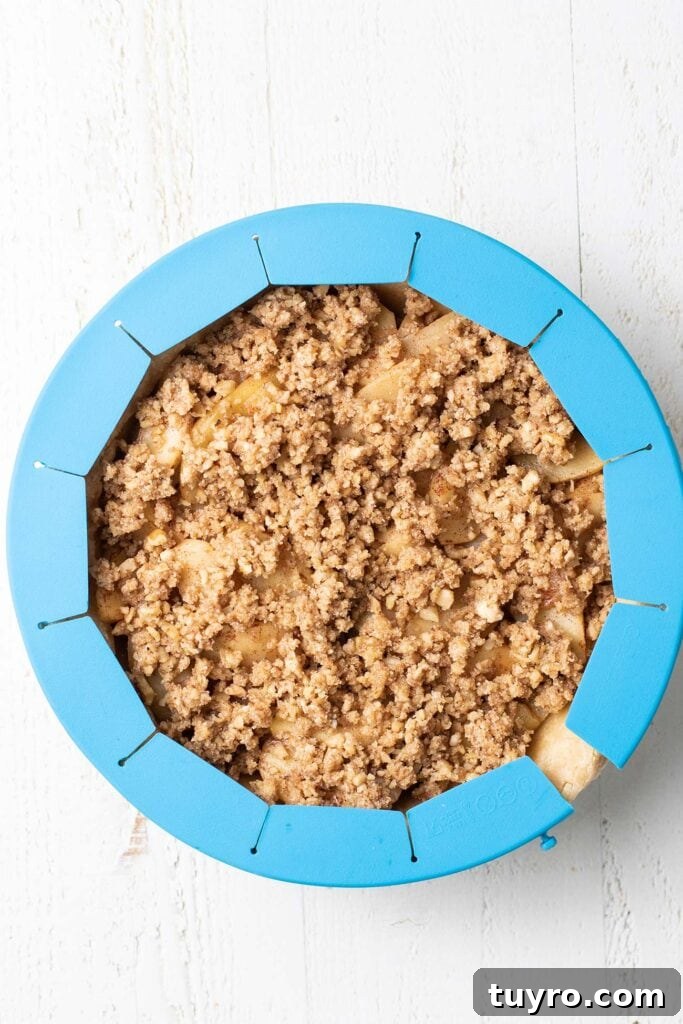
- It browns faster. Almond flour cooks and browns more quickly than wheat flour. Protect edges with a pie shield or foil and bake at a lower temperature to avoid over-browning.
- It’s naturally a bit sweeter. You’ll often need less added sugar than with a traditional crust.
Almond flour is widely available at many grocery stores and bulk retailers.
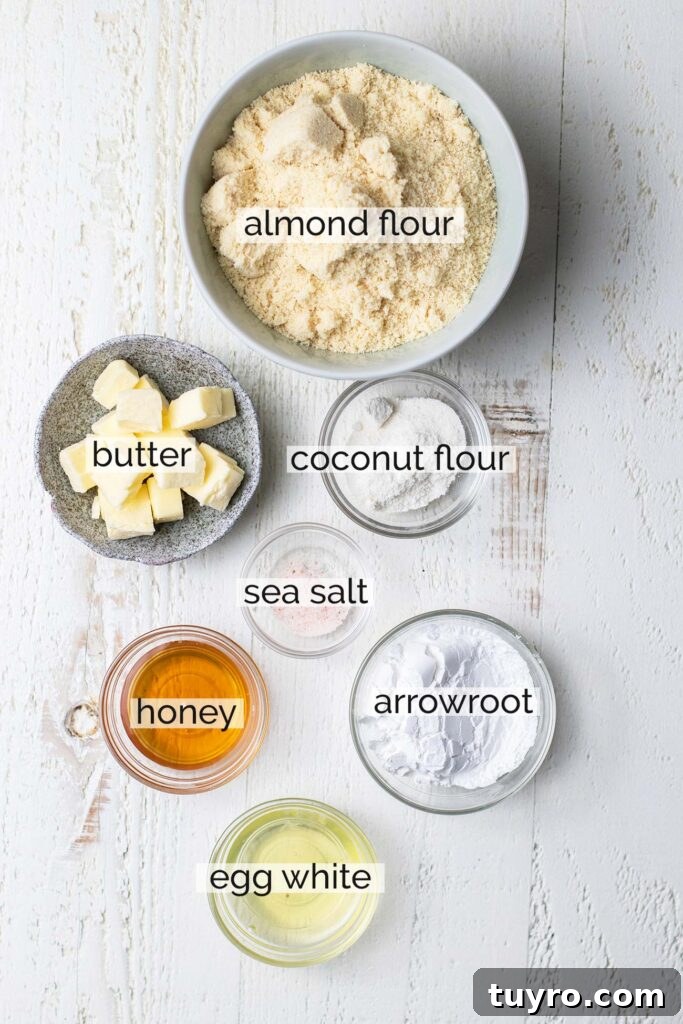
What You’ll Need
- Blanched almond flour (not almond meal)
- Arrowroot (or cornstarch/tapioca flour)
- Coconut flour (optional but helps bind)
- Cold butter (cut into small cubes and frozen)
- Sea salt
- Honey or maple syrup
- Egg white
Helpful Kitchen Tools
- Food processor: Speeds up the job and yields a flaky texture when using frozen butter. You can use a pastry cutter or fork, but a processor is easiest.
- Parchment paper: Roll the dough between parchment to avoid dusting your surface and to transfer the dough to the pie plate without breaking it.
- Pie shield or foil: Protects the rim of the crust from over-browning, which is especially important with almond flour.
How to Make an Almond Flour Pie Crust
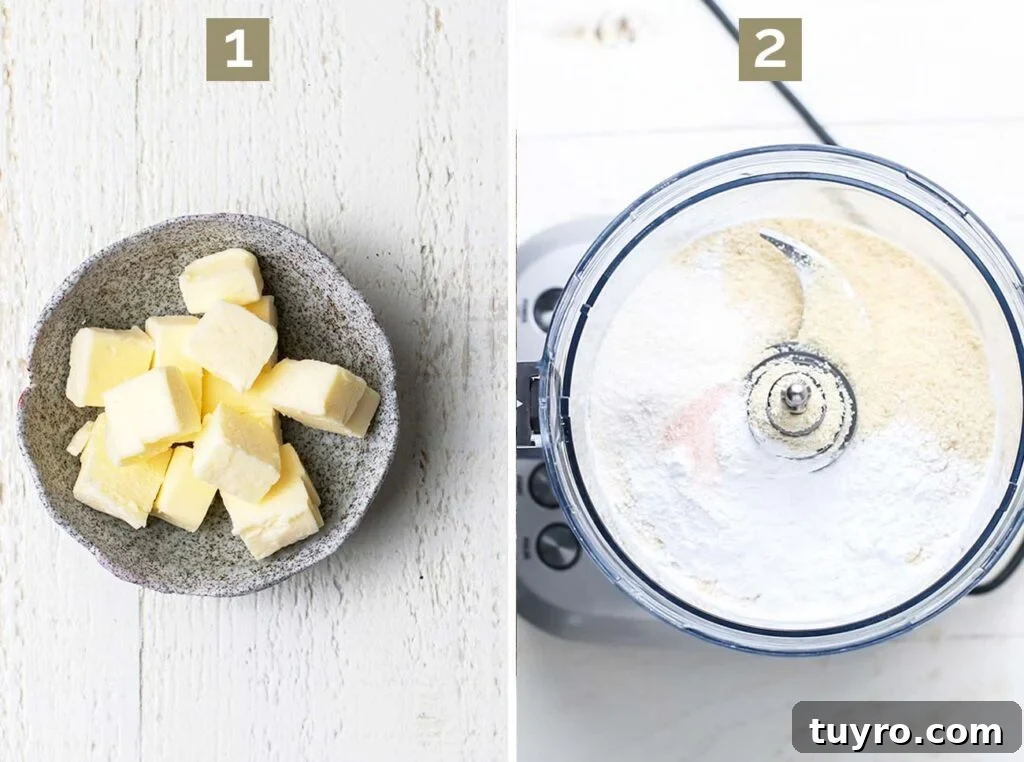
Step 1: Cut butter into small cubes and freeze for at least 2 hours.
Step 2: Combine almond flour, arrowroot, coconut flour, and sea salt in a food processor and pulse to mix.
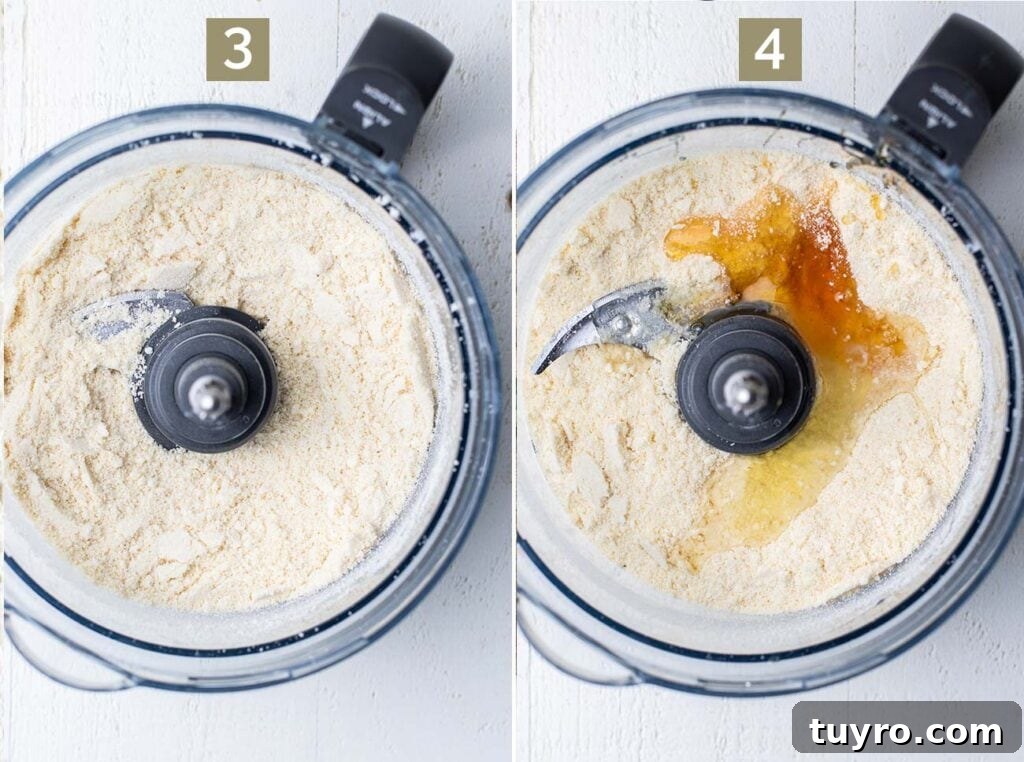
Step 3: Add frozen butter and pulse until the texture resembles coarse cornmeal. Small bits of butter should remain—this creates flakiness.
Step 4: Add the egg white and honey; pulse just until the dough starts forming small clumps that hold when pressed between fingers.
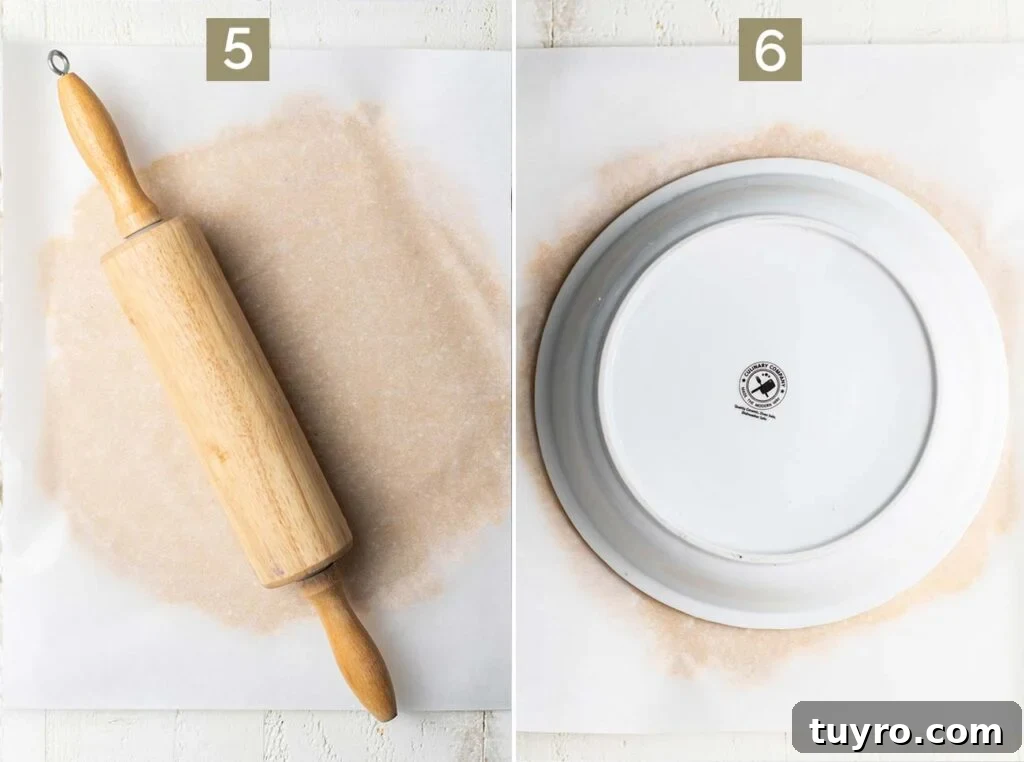
Step 5: Place the dough between two large sheets of parchment and roll into a round about 14 inches across or large enough to line your pie plate with a slight overhang.
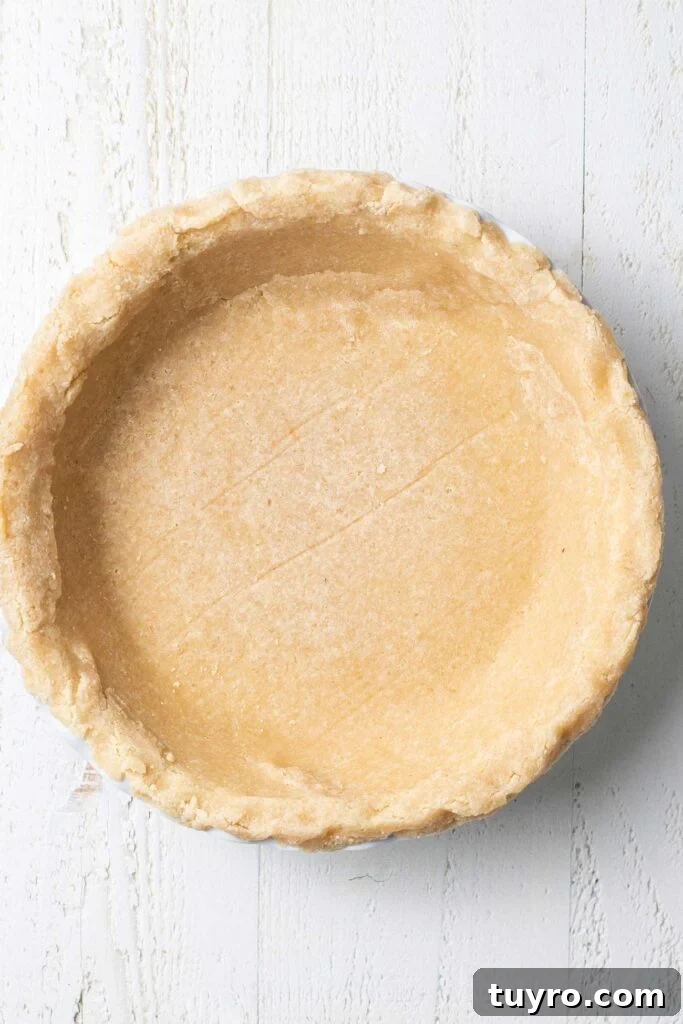
Step 6: If the dough feels warm or fragile, transfer it to a baking sheet and freeze 20–30 minutes. Otherwise, remove the top parchment, invert the dough into the pie plate, and press the edges gently to form the crust. Press edges rather than pushing down in the center; if cracks occur, mend them with wet fingers.
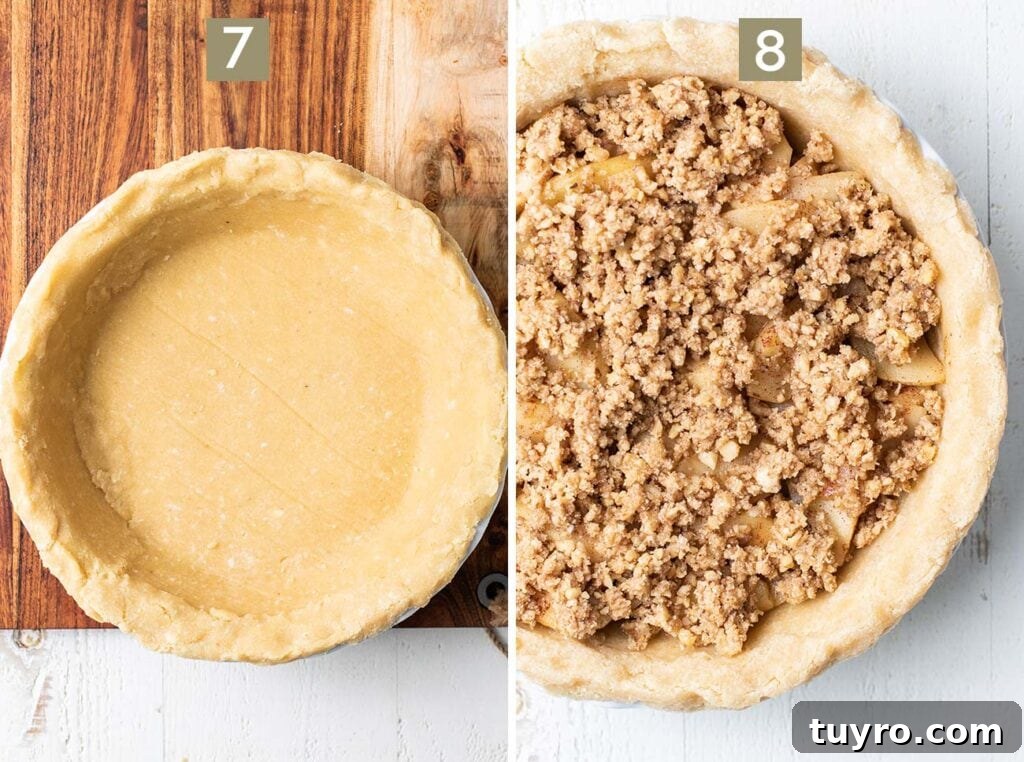
Step 7: Cover the edges with a pie shield or foil to prevent over-browning.
Step 8: For unbaked fillings (pudding, chocolate), bake the crust for 20–25 minutes until lightly golden. For baked fillings (apple, berry), blind-bake for 10 minutes with edges shielded, add a precooked filling, then bake at 325ºF for 30–40 minutes, watching the edges closely.
Use This Crust for Sweet or Savory Pies
Sweet Fillings
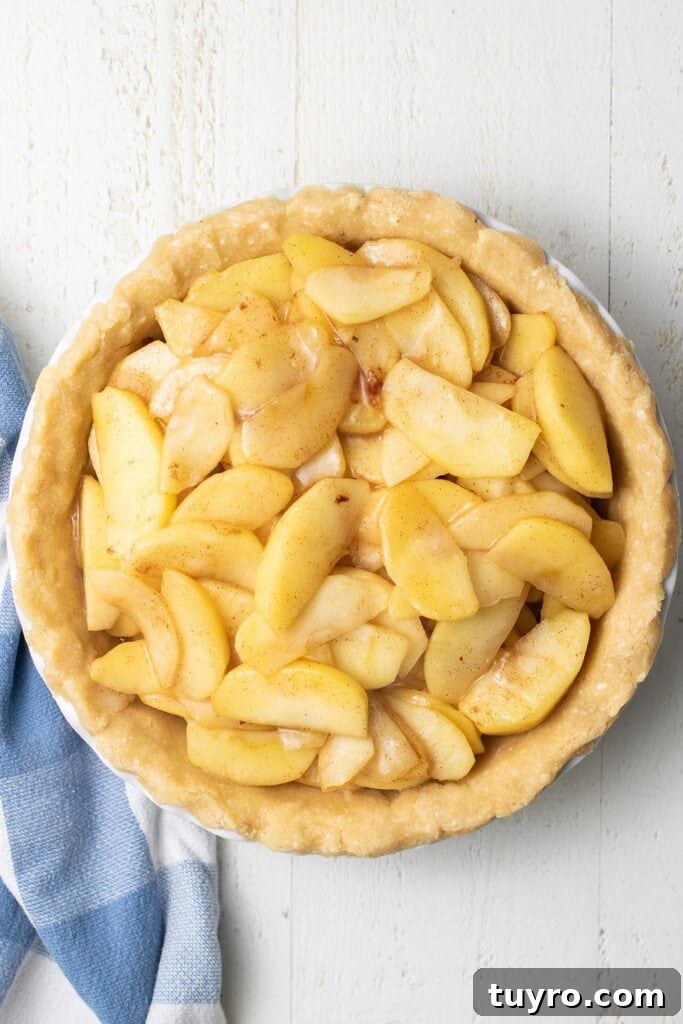
- Apple pie: Precook the apple filling before adding it to the crust since the crust can only be baked at 325ºF for about 30 minutes.
- Berry pies: Precook fillings like strawberry, blueberry, or peach to ensure the fruit is fully cooked before finishing the pie in the crust.
- Pumpkin pie: This crust works well with no-bake pumpkin fillings or prepared pumpkin fillings that don’t require long baking times.
Savory Fillings
- Chicken pot pie: Use this crust as a top crust or cut rounds to cover individual pies. Precook the filling so the crust only needs a short bake time.
- Quiche: Press into a shallow tart pan with no overhang and keep the quiche shallow. Pre-cook any vegetables and use foil to protect the crust; don’t bake longer than 30 minutes.
Tips for a Perfect Paleo Pie Crust
Plan ahead: Freeze butter (and, if desired, the pie plate) to keep everything cold while you work—this makes the dough easier to handle and yields a flakier crust.
Bake low and watch closely: Do not bake above 325ºF for extended periods; almond flour browns and can burn quickly.
Keto? This crust is not strictly keto because it includes arrowroot and honey, though it is lower in carbs than a traditional crust.
Egg-free option: Replace the egg white with 2 tablespoons of an egg replacer. The dough will hold together but be more fragile.
Other Almond Flour Dessert Ideas
- Almond flour cake
- Gluten-free donuts
- Almond flour strawberry shortcake
- Paleo chocolate chip cookies
Almond Flour Pie Crust
Ingredients
- 1/4 cup butter
- 1 1/2 cups almond flour
- 1/4 cup arrowroot
- 1 tablespoon coconut flour
- 1/2 teaspoon sea salt
- 2 tablespoons honey
- 1 egg white
Instructions
-
Cut butter into small chunks and freeze at least 2 hours. If your kitchen is warm, chill the pie plate as well.
-
In a food processor, pulse almond flour, arrowroot, coconut flour, and sea salt until combined.
-
Add frozen butter and pulse until the mixture resembles coarse cornmeal. Do not over-process.
-
Add egg white and honey; pulse until the dough forms small clumps that hold together when pressed.
-
Place dough between parchment sheets and roll to fit your pie plate. If warm or fragile, freeze briefly on a cookie sheet.
-
Invert the dough into the pie plate and gently press edges into place. Repair any cracks with damp fingers.
-
Preheat oven to 325ºF. Cover edges with a pie shield or foil.
-
For unbaked fillings, bake crust 20–25 minutes until lightly golden. For baked fillings, blind-bake 10 minutes, add a precooked filling, and bake 30–40 minutes at 325ºF, watching to avoid overbrowning.
Notes
Almond flour browns quickly. Keep baking temperature at or below 325ºF and use a pie shield or foil for the edges.
Plan ahead: Freezing the butter (and pie plate in warm climates) helps keep the dough cold and manageable.
Keto note: This crust includes arrowroot and honey, so it’s not strictly keto, though it’s lower in carbs than a traditional crust.