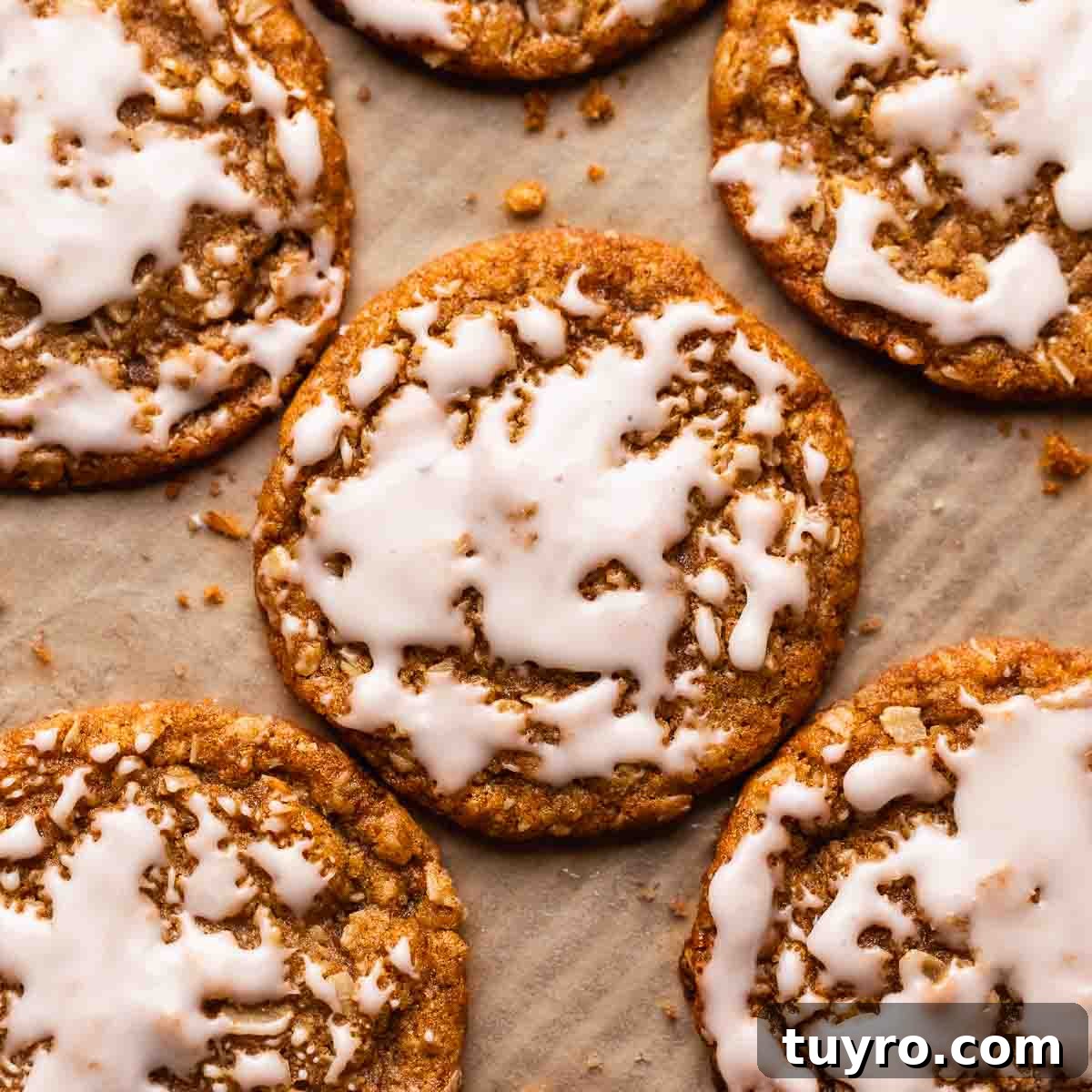
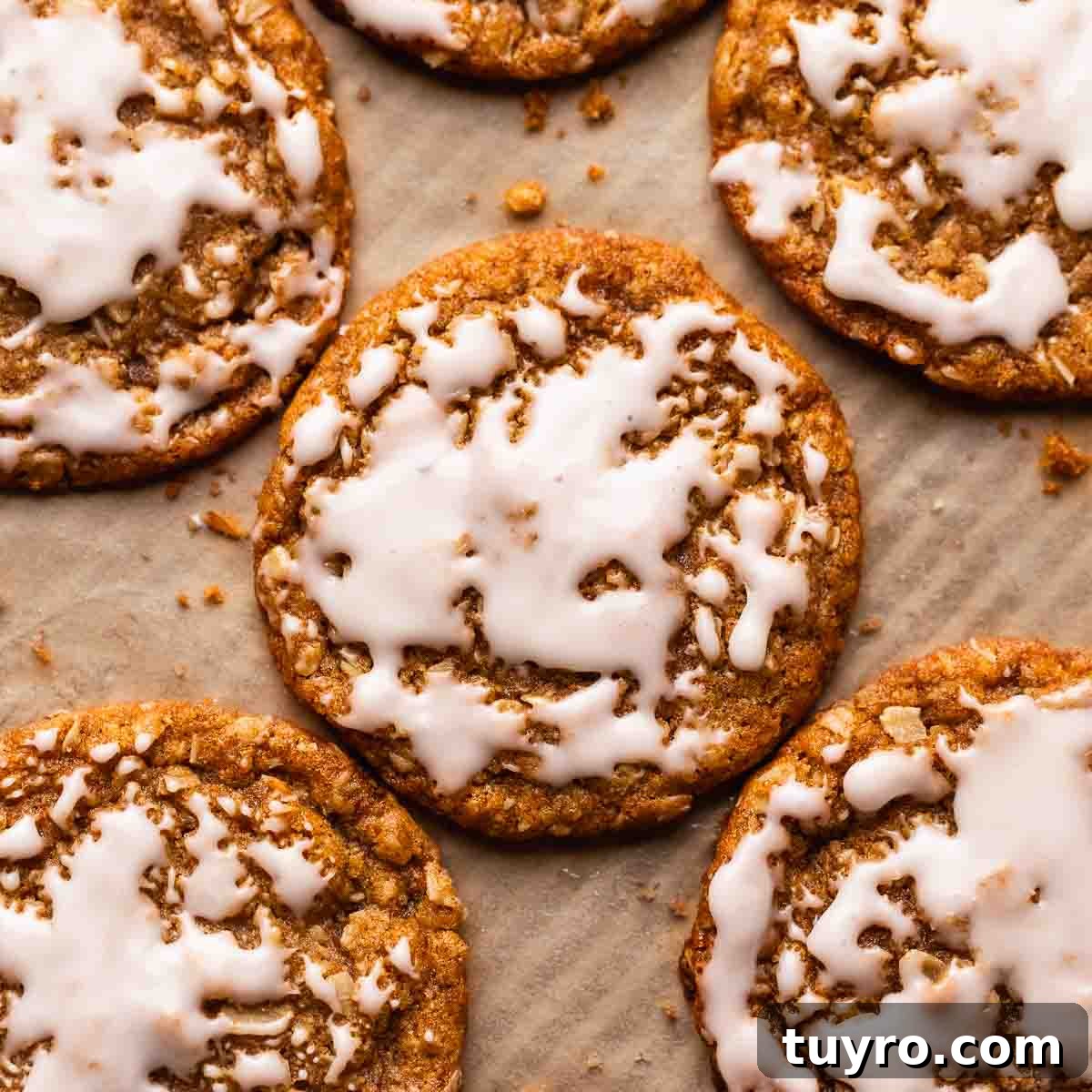
These iced oatmeal cookies are soft and chewy, made with brown butter, warm spices, and lightly dipped in vanilla icing. They taste even better than the store-bought classics.
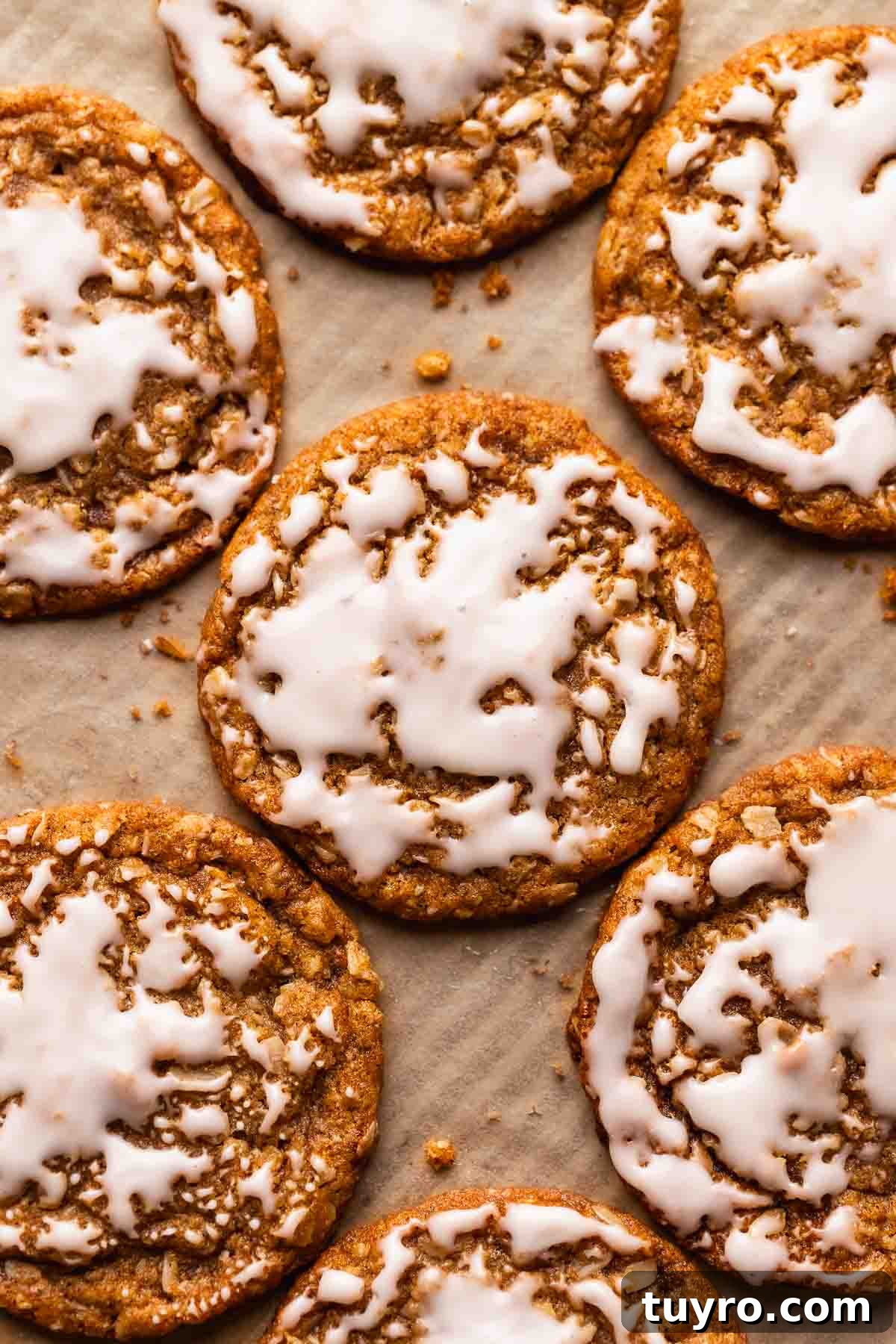
These homemade iced oatmeal cookies are a delightful twist on a nostalgic favorite. Inspired by Mother’s oatmeal cookies, this version is baked soft rather than crisp, with comforting spices and a tender chew.
Key flavors include brown butter, vanilla, nutmeg, and cinnamon, and the dough has plenty of old-fashioned oats that are lightly pulverized for a pleasing mix of texture.
Table of Contents
Why We Love Iced Oatmeal Cookies
- These glazed oatmeal cookies capture the familiar taste of Grandma’s iced cookies but are even better when made at home.
- The flavor is cozy and layered thanks to brown butter, molasses, and plenty of brown sugar, giving them a rich caramel note.
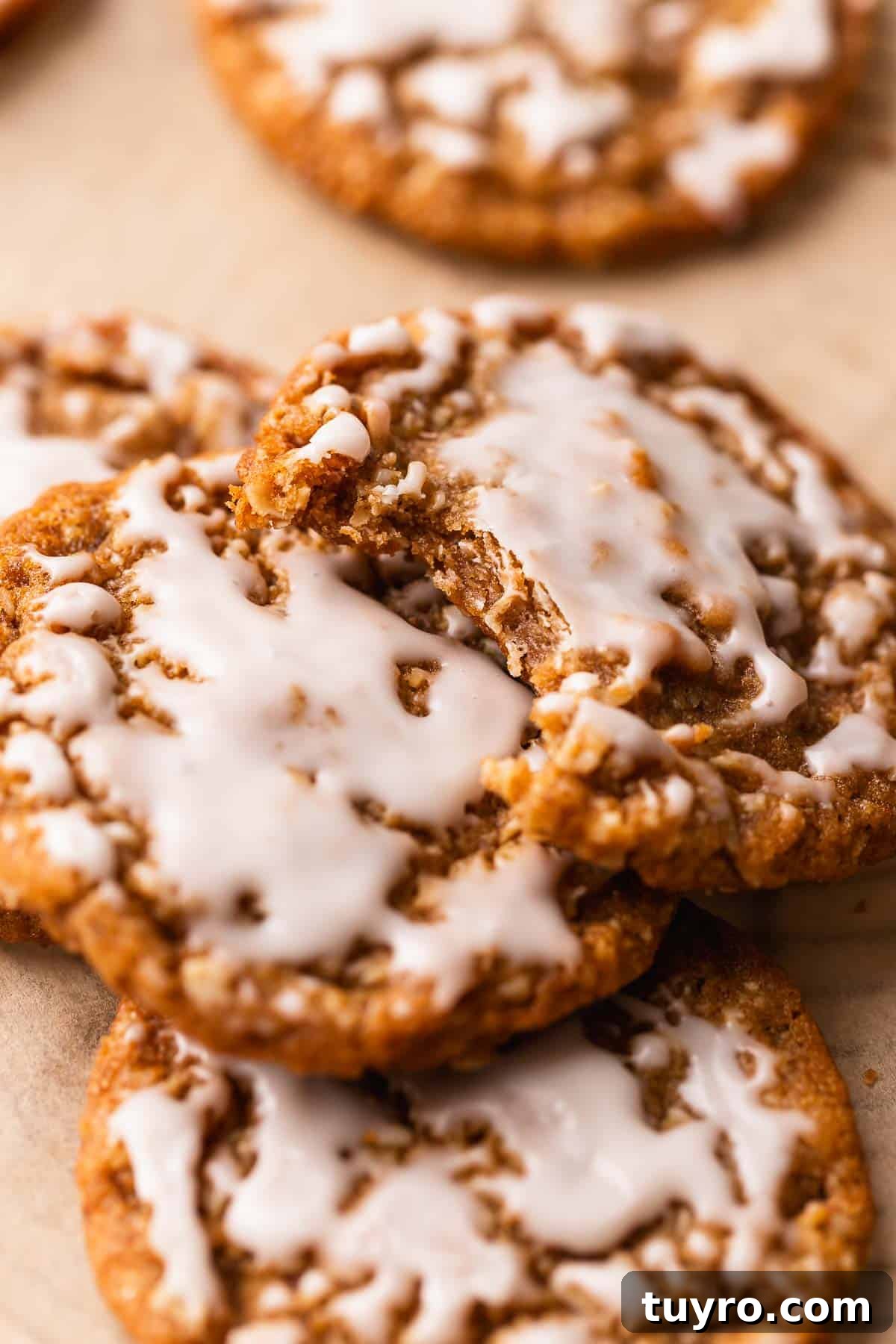
- Each cookie is lightly dipped in a vanilla glaze that keeps the tops soft and helps maintain a chewy texture for days.
- They’re an excellent choice for holiday cookie boxes and gatherings.
Ingredient Notes and Substitutions
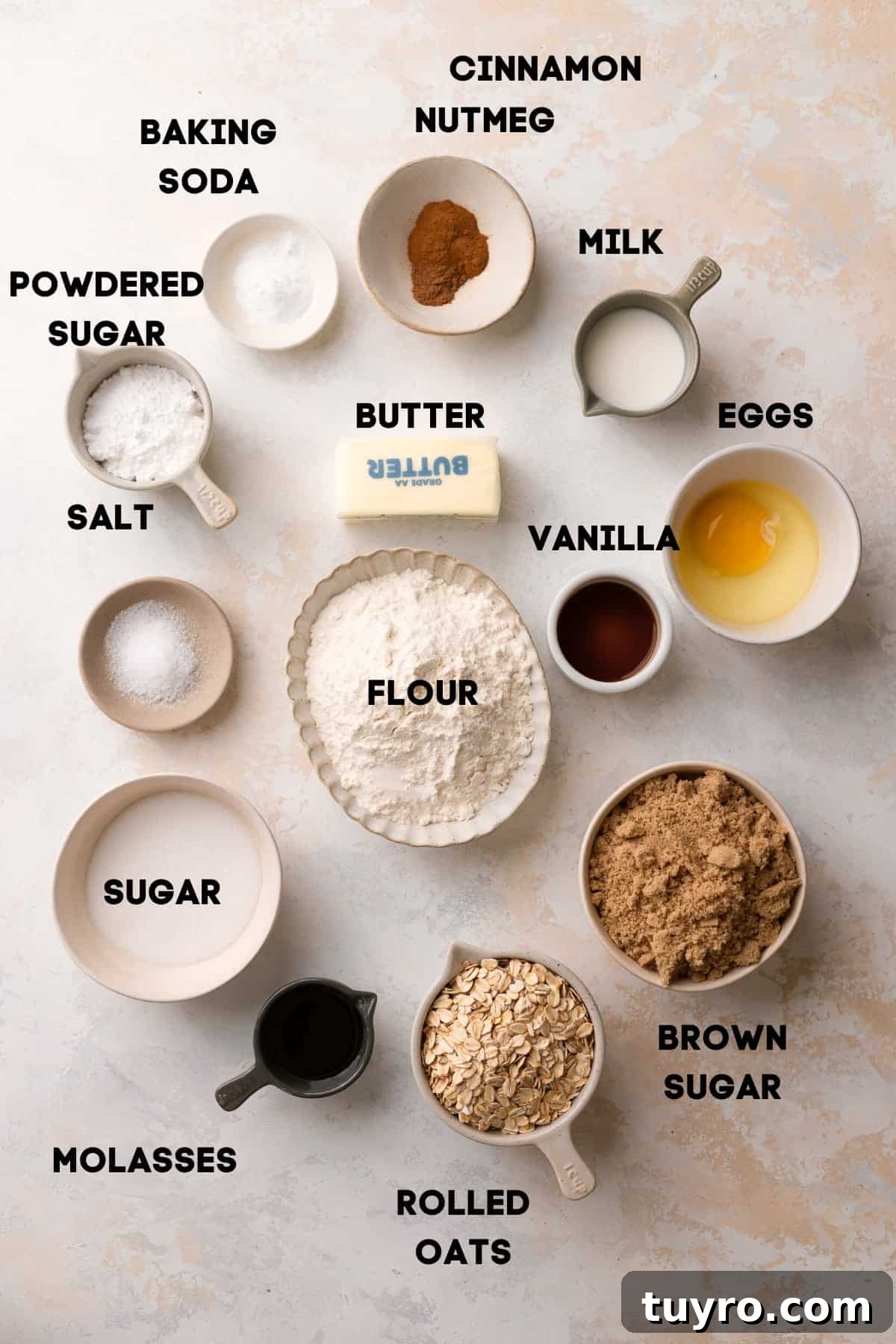
Old-fashioned rolled oats: These give the best chew. If you prefer, quick oats can be used but texture will be slightly different.
Light brown sugar: Adds chewiness and molasses flavor. Dark brown sugar can be substituted for a deeper molasses note.
Molasses: A small amount brings classic warmth and depth without overpowering the cookies. It complements the brown butter and spices.
Recipe Instructions
Step 1: Brown the butter. Cook the unsalted butter over medium heat until small brown bits form on the bottom and the pan smells nutty. Transfer the butter to a bowl and let it cool to room temperature.
Step 2: Pulse the oats. Add the rolled oats to a food processor or dry blender and pulse until you have a mix of oat flour and some whole oats. Set aside.
Step 3: Whisk the butter and sugars. When the butter is cool, whisk in the light brown sugar and granulated sugar until combined and slightly fluffy.
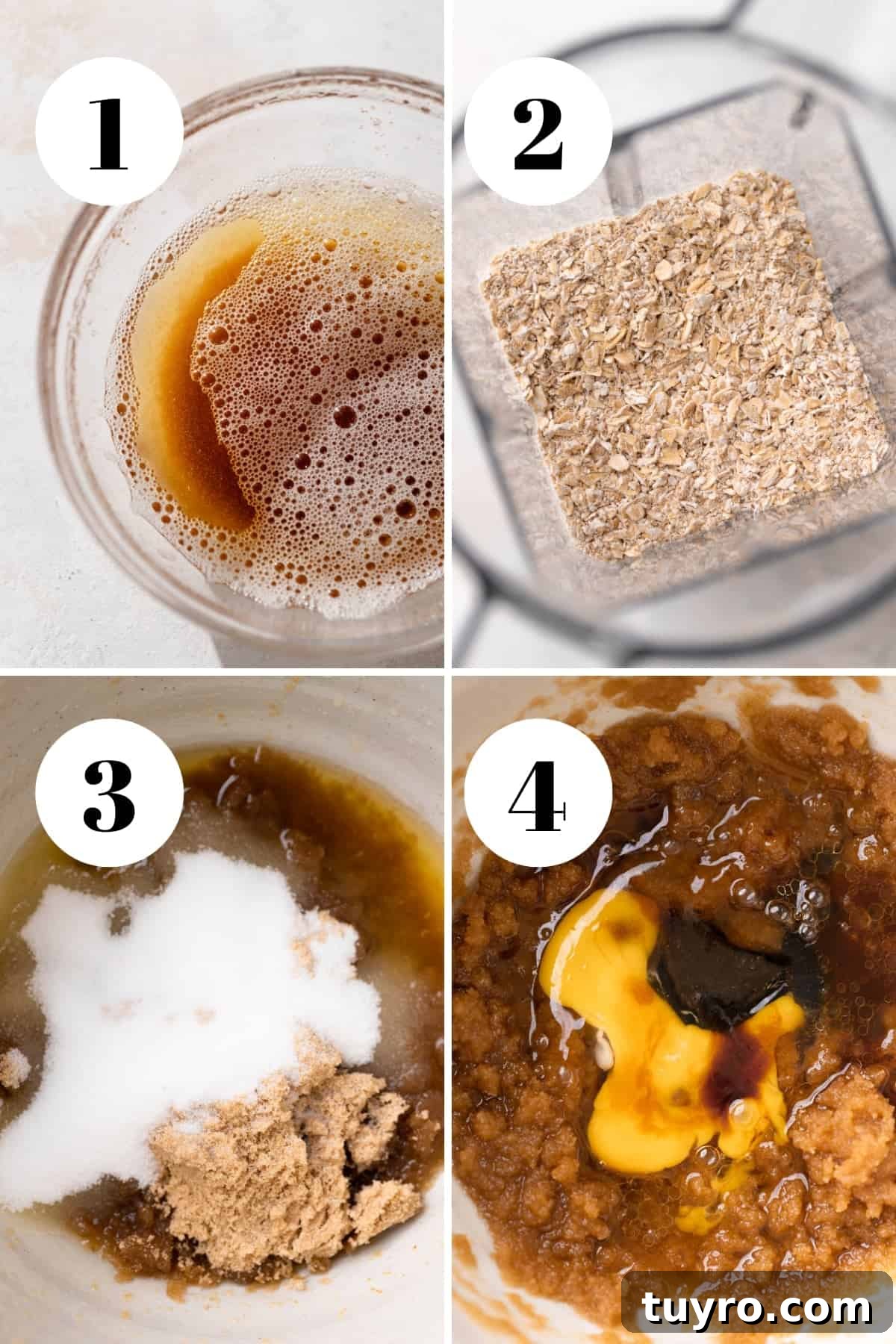
Step 4: Add the wet ingredients. Whisk in the egg, vanilla extract, and molasses until just combined.
Step 5: Fold in the dry ingredients. Gently fold in the ground oats, all-purpose flour, baking soda, salt, cinnamon, and nutmeg until evenly distributed.
Step 6: Scoop and chill the dough. Portion the dough into two-tablespoon balls and place them on a parchment-lined baking sheet. Freeze the tray for at least 3–4 hours; overnight is best to prevent spreading.
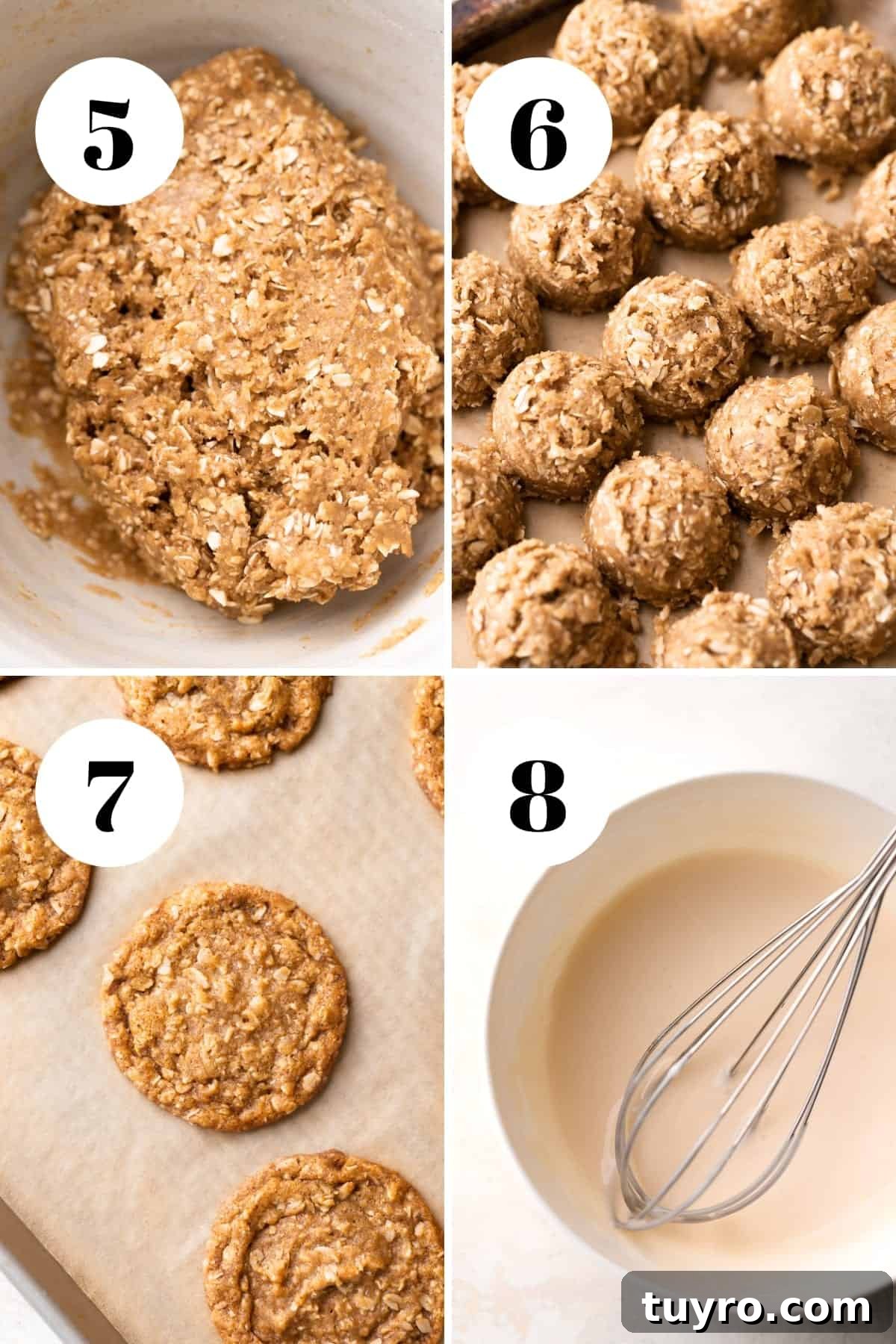
Step 7: Bake the cookies. Preheat the oven to 350°F (180°C). Bake the cookies spaced about two inches apart on a lined tray until the edges are just golden, about 10–12 minutes.
Step 8: Make the vanilla glaze. Whisk powdered sugar, milk, and vanilla extract until smooth. The glaze should be thick but still flow off the whisk; adjust with more powdered sugar or milk to reach the right consistency.
Step 9: Glaze the cookies. Allow the cookies to cool completely, then quickly and lightly dip the tops into the glaze or dab it on with a finger. Let the glaze set for 1–2 hours before storing or packaging.
Tips for The Best Iced Cookies
- Weigh ingredients when possible. A kitchen scale yields the most consistent results; if you don’t have one, use the spoon-and-level method for flour.
- Cool completely before glazing. Warm cookies can tear when you apply the icing.
- Keep the glaze thick. A runny glaze will slide off the top instead of settling nicely. Adjust powdered sugar or milk to achieve a thick but pourable consistency.
- Dip lightly and quickly. To coat only the top, avoid plunging the cookie too far into the glaze.
- Let brown butter cool. Using warm butter will cause excessive spreading during baking.
- Pulse the oats. A food processor gives the best mix of oat flour and whole oat pieces for ideal texture.
How to Store and Freeze
Store baked, glazed cookies in an airtight container at room temperature for 3–4 days; the icing helps keep them soft. Cookie dough balls can be frozen in an airtight container or freezer bag for up to 3 months. Baked cookies freeze well for up to 1 month—thaw at room temperature before serving.
FAQs
Yes, but the texture will be softer and slightly different. Rolled oats give the best chew.
Grinding half of the oats helps create the ideal balance of chew and tenderness, so it’s recommended.
Start with a thick glaze and test on one cookie. Add powdered sugar to thicken or a little milk to thin until it flows but holds shape on the cookie top.
Depending on kitchen humidity, plan for about 1–2 hours for the glaze to fully set.
Yes. Chilling prevents excessive spreading and produces a taller, chewier cookie.
No—store at room temperature in an airtight container for best texture.
More Festive Recipes
If you try this recipe, please leave a comment and rating to share how it turned out — feedback is appreciated.
Soft Iced Oatmeal Cookies
Ingredients
- 14 tbsp unsalted butter
- 1 3/4 cup + 1 tbsp old-fashioned rolled oats
- 1 cup light brown sugar, packed
- 1/4 cup + 1 tbsp + 2 tsp granulated sugar
- 1 large egg, room temperature
- 2 tsp vanilla extract
- 1 tbsp + 1 tsp unsulphered molasses
- 1 cup + 1 tbsp + 2 tsp all-purpose flour
- 1 tsp baking soda
- 1 tsp fine sea salt
- 1 1/4 tsp ground cinnamon
- 1/2 tsp ground nutmeg
- 1 1/2 cups powdered sugar
- 2 tbsp whole milk
- 1 tsp vanilla extract (for the glaze)
Instructions
-
Brown the butter. Cook the butter over medium heat, stirring frequently, until the solids brown and it smells nutty. Scrape into a bowl and cool to room temperature; hot butter causes excess spread.
-
Pulse the oats. Pulse rolled oats in a food processor until about half become oat flour while some whole pieces remain.
-
Whisk the butter and sugars. When the butter is cool, whisk in brown and granulated sugars for about 1 minute until combined.
-
Whisk in the wet ingredients. Add the egg, vanilla, and molasses and whisk until just combined.
-
Mix in the dry ingredients. Fold in flour, ground oats, baking soda, cinnamon, nutmeg, and salt until just incorporated.
-
Scoop and chill the dough. Scoop dough into two-tablespoon balls, place on a parchment-lined tray, and freeze for 3–4 hours or overnight.
-
Preheat the oven. Heat the oven to 350°F (180°C) and line baking sheets with parchment paper.
-
Bake the cookies. Space cookies at least two inches apart and bake 10–12 minutes until edges are golden. For crispier cookies, add 2–3 minutes. Cool completely before glazing.
-
Make the glaze. Whisk powdered sugar, milk, and vanilla until smooth and thick but pourable. Adjust with powdered sugar or milk as needed.
-
Glaze the cookies. Quickly dip the tops of cooled cookies into the glaze and let set for 1–2 hours before packaging.
-
Store glazed cookies in an airtight container at room temperature for 3–4 days. Freeze dough balls up to 3 months.
Notes
Glaze only completely cool cookies. Applying glaze to warm cookies can tear the tops.
Keep the glaze thick. A thin glaze will run off the sides instead of settling on top; test and adjust as needed.
Quick, light dip. Dip the cookie briefly to coat only the top; avoid pressing it deep into the glaze.
This recipe was created and tested by a real person
The calorie information provided for the recipe is an estimate. The accuracy of the calories listed is not guaranteed.