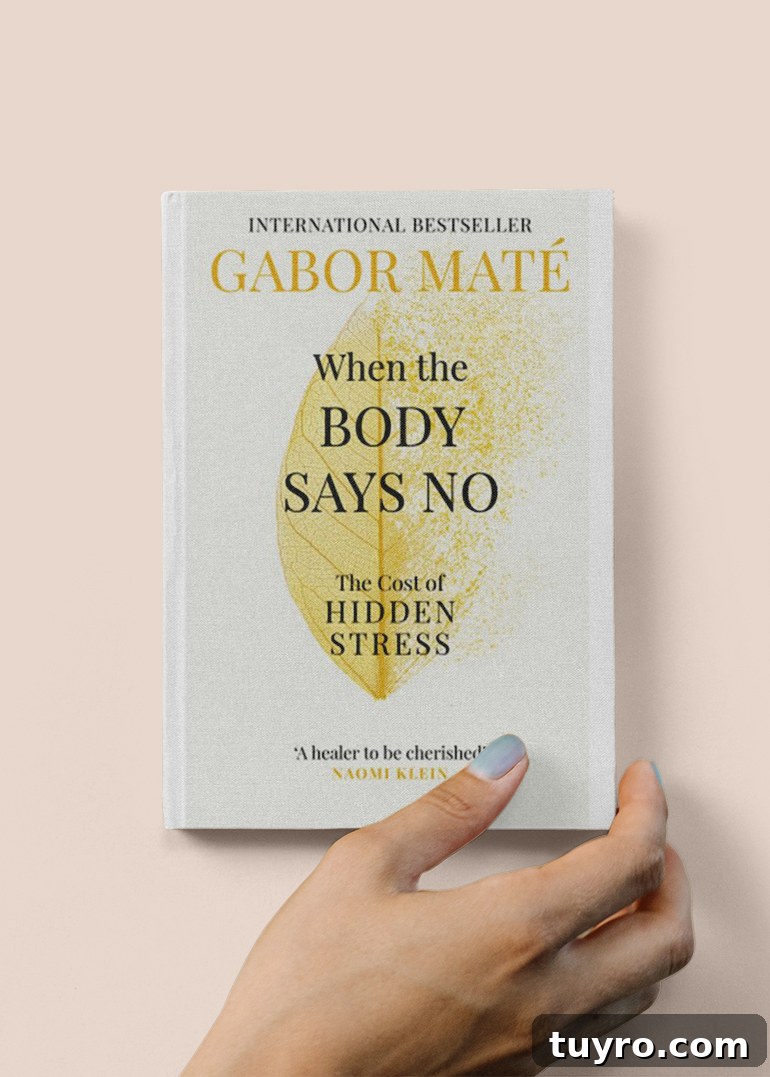
When the Body Says No: How Hidden Stress Can Lead to Illness
Have you noticed that some people fall ill more often, or that certain diseases arrive during particularly stressful periods of life? The explanation may go beyond genetics or chance. Unresolved emotional stress, carried silently over years, can manifest in physical illness.
In When the Body Says No, Dr. Gabor Maté examines the mind-body connection and the ways emotional life shapes physical health. Drawing on clinical observations, patient stories, and scientific research, Maté argues that chronic stress, emotional repression, and early trauma can contribute to conditions such as cancer, autoimmune disorders, and heart disease. Below is a clear summary of the book’s central ideas and practical takeaways for anyone interested in protecting their health by addressing emotional well-being.
The Body’s Hidden Language: How Stress Affects Us
Stress is more than a momentary feeling; it triggers biological responses that, when sustained, wear on the body. You might first notice headaches, low energy, or increased susceptibility to infections. Maté emphasizes that these physical symptoms are signals—an internal language your body uses to communicate distress. Persistent, unaddressed stress can weaken immune function, alter hormone balance, and increase inflammation, creating a vulnerability to chronic illness over time.
Key to Maté’s thesis is the idea that emotional suppression intensifies this process. Habitually ignoring or minimizing feelings—anger, grief, fear—keeps the stress response activated. Far from being a sign of resilience, continually pushing emotions down can be harmful. Learning to recognize and process feelings helps interrupt the cascade of biological stress responses that contribute to disease.
The High Cost of Emotional Repression
Many people are socialized to prioritize others’ needs, to “be strong,” or to avoid conflict. While these coping strategies can seem adaptive in the short term, they may carry a long-term cost. According to Maté, people who regularly suppress emotions, especially anger and frustration, show higher rates of chronic health problems.
Emotional repression doesn’t merely affect mood; it accumulates as physiological burden. When feelings are not expressed or resolved, they create ongoing tension in the body—tight muscles, altered breathing patterns, disturbed sleep—that compounds over years. Recognizing patterns of suppression is the first step toward changing them and reducing the cumulative strain on your health.
The Role of Early Life Experiences
Maté pays special attention to how early relationships influence later health. Childhood environments that invalidate emotions, neglect needs, or demand premature self-reliance shape stress regulation for life. Children learn habits of coping that often become automatic patterns in adulthood—patterns that affect how they respond to stress and how their bodies react biologically.
Understanding this developmental context helps explain why two people exposed to similar adult stressors may experience very different health outcomes. Reflecting on one’s emotional history can be an important part of understanding current symptoms and beginning a healing process that addresses root causes rather than only treating surface-level problems.
Healing the Mind-Body Divide: Practical Steps
Maté suggests that recovery begins with awareness. Becoming attuned to your feelings and accepting them without judgment reduces the need to suppress. Practical steps include learning to name emotions, expressing them safely, and practicing self-care routines that lower physiological arousal.
Helpful strategies include therapy to explore emotional patterns, mindfulness and relaxation practices to calm the nervous system, journaling to clarify feelings, and setting boundaries to protect personal well-being. Small, consistent changes—regular rest, supportive relationships, and time for reflection—can weaken the chronic stress cycle and support long-term health.
Why This Book Matters
When the Body Says No reframes health as an interplay between emotional life and physical functioning. Maté’s work reminds readers and practitioners that mental and emotional care are integral to preventing and treating illness. By listening to the body’s signals and addressing the emotional contributors to stress, individuals can make choices that support resilience and well-being.
Who Should Read This Book and Why
This book is relevant for anyone curious about the mind-body connection: people dealing with chronic illness, caregivers, and health professionals seeking a deeper understanding of how emotional patterns affect disease. Reading it can be the start of a journey toward recognizing warning signs, reclaiming emotional expression, and making practical changes that protect long-term health.
Start paying attention to the signals your body sends. When you learn to listen and respond to your emotional needs, you reduce the risk that stress will overwhelm your physical health.