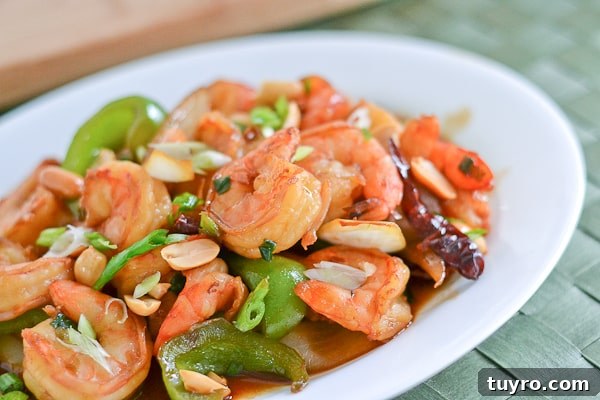
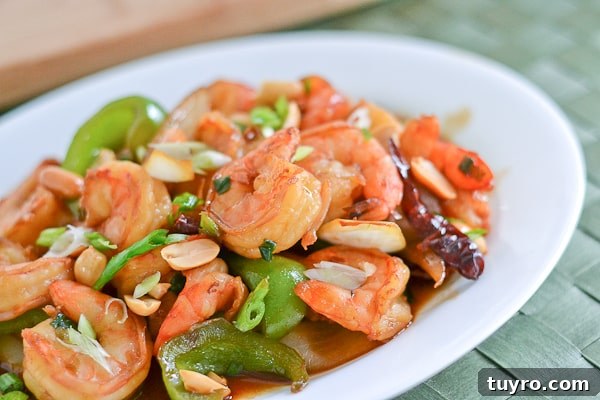
 Two years ago I shared my original kung pao chicken recipe, which quickly became a family favorite. This weekend I tried a shrimp version and it was equally well received. The shrimp version stays true to the classic elements—dried chilies and roasted peanuts—while the sauce is adjusted to complement seafood. It’s quick to prepare, taking about 25 minutes from start to finish, and delivers a bright, savory, slightly sweet and spicy flavor that pairs perfectly with steamed rice. Below are tips, variations, the full ingredient list, and step-by-step instructions so you can recreate this at home.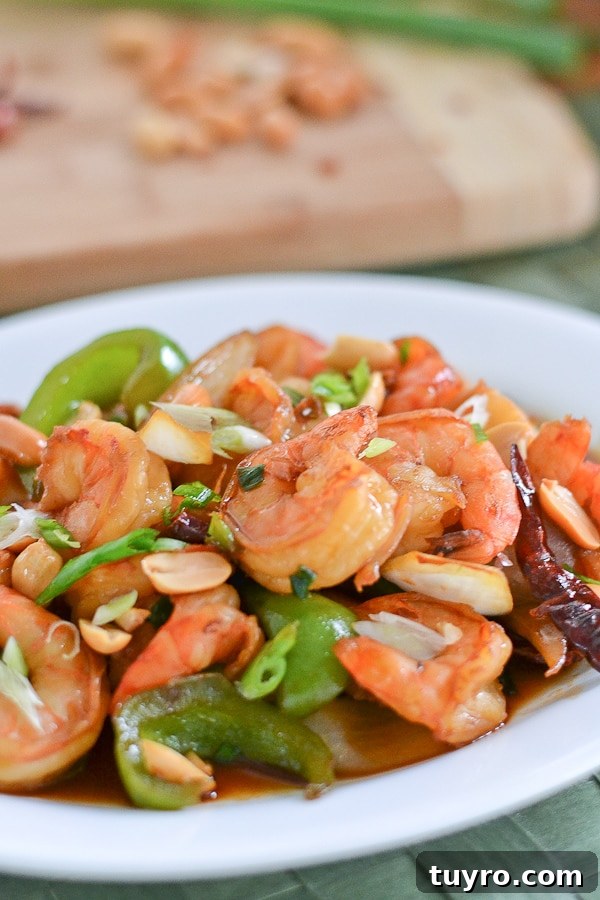
Cooking Tips for Perfect Kung Pao Shrimp
To achieve the best texture and flavor, start with fresh, firm shrimp. If possible, buy shrimp with the shells on as this preserves moisture; peel and devein them just before cooking and leave the tails on for a nicer presentation. A short marinade of soy sauce, cornstarch and a touch of sesame oil (about 10–15 minutes) helps the shrimp stay tender and gives a slightly silky coating when cooked.
Use high heat and a wide pan or wok so the shrimp sear quickly without steaming. Preheat the pan well, add oil, then aromatics such as ginger and onion. Keep the shrimp moving in the pan—stir-frying fast is the key to tender shrimp. Avoid overcrowding the pan; cook in batches if necessary. Add vegetables near the end so they remain crisp and colorful: bell peppers, snap peas or thin slices of zucchini are excellent choices.
Serving Suggestions and Variations
Kung pao shrimp is versatile. For a classic meal, serve it over steamed jasmine or long-grain white rice so the rice soaks up the sauce. For a lighter option, try quinoa or cauliflower rice. Garnish with chopped green onions and a sprinkle of sesame seeds for freshness and texture.
To vary the dish, swap or add vegetables like broccoli, carrots, or water chestnuts. For a nut alternative use cashews instead of peanuts if preferred. If you want more heat, add extra dried chilies or a pinch of chili flakes; for a milder version, use fewer chilies or remove the seeds. For a vegetarian adaptation, replace shrimp with pressed and pan-fried tofu, taking care to pat the tofu dry before cooking so it browns nicely.
Ingredient Notes
Sichuan peppercorns give an authentic numbing spice; use them sparingly if you have them. If not available, a small pinch of red pepper flakes or ground white pepper adds heat. Sweet soy sauce (kecap manis) contributes a caramelized sweetness—if you don’t have it, a mix of regular soy sauce and a touch of brown sugar will work. Roasted peanuts are traditional; toasted cashews are a pleasant variation.
Frequently Asked Questions
What can I substitute for shrimp in this recipe?
Chicken, firm tofu or even thin slices of pork can be used instead of shrimp. Adjust cooking times: chicken and pork need longer, while tofu only needs browning.
How should I store leftover kung pao shrimp?
Cool leftovers to room temperature, then refrigerate in an airtight container for up to three days. Reheat gently in a skillet over medium heat to preserve shrimp texture.
Can I make this dish ahead of time?
Prep vegetables and the sauce ahead of time and marinate the shrimp briefly. Cook right before serving for the best texture and flavor.
What should I serve with kung pao shrimp?
Steamed rice, quinoa or cauliflower rice are ideal. Add a side of simple stir-fried greens or a refreshing cucumber salad to balance the heat.
What are common mistakes to avoid?
Avoid overcrowding the pan—this causes steaming rather than searing. Also, don’t overcook the shrimp; cook just until opaque to keep them tender.
Kung Pao Shrimp
Ingredients
- 2 tbsp vegetable oil
- 1-inch piece ginger, peeled and thinly sliced
- 1 small onion, quartered
- 1 small green bell pepper, cut into strips
- 8–10 mini dried red chilies (or to taste)
- 1 lb large shrimp, peeled and deveined
- 1/3 cup roasted peanuts
- 2 green onions, chopped
Sauce
- 2 tbsp soy sauce
- 2 tbsp sweet soy sauce (kecap manis) or substitute with 2 tbsp soy + 1 tsp brown sugar
- 1/2 tsp cornstarch
- 4 tbsp water
- 1/2 tsp sesame oil
- 1/8 tsp white pepper
- 1/2 tsp apple cider or rice vinegar
- 1/2 tsp sugar
Instructions
- Combine all sauce ingredients in a small bowl and set aside.
- Heat a skillet or wok over high heat. Add oil and swirl to coat. Add the ginger and stir-fry for a few seconds until fragrant.
- Add the onion, bell pepper and dried chilies. Stir-fry for about 2 minutes until the vegetables begin to soften and the chilies release their aroma.
- Add the shrimp and peanuts. Stir continuously until the shrimp are nearly cooked through.
- Give the sauce a quick stir, pour it into the wok, and continue stirring until the sauce comes to a boil and thickens, coating the shrimp and vegetables.
- Stir in the green onions, adjust seasoning if needed, and remove from heat.
- Serve immediately with steamed rice.
Notes
Recipe adapted from a well-known kung pao shrimp method. Feel free to adjust the number of dried chilies to control heat and swap peanuts for cashews if preferred.
Nutrition
Calories: 350 kcal • Carbohydrates: 20 g • Protein: 30 g • Fat: 18 g • Saturated Fat: 3 g • Cholesterol: 200 mg • Sodium: 800 mg • Fiber: 2 g • Sugar: 5 g