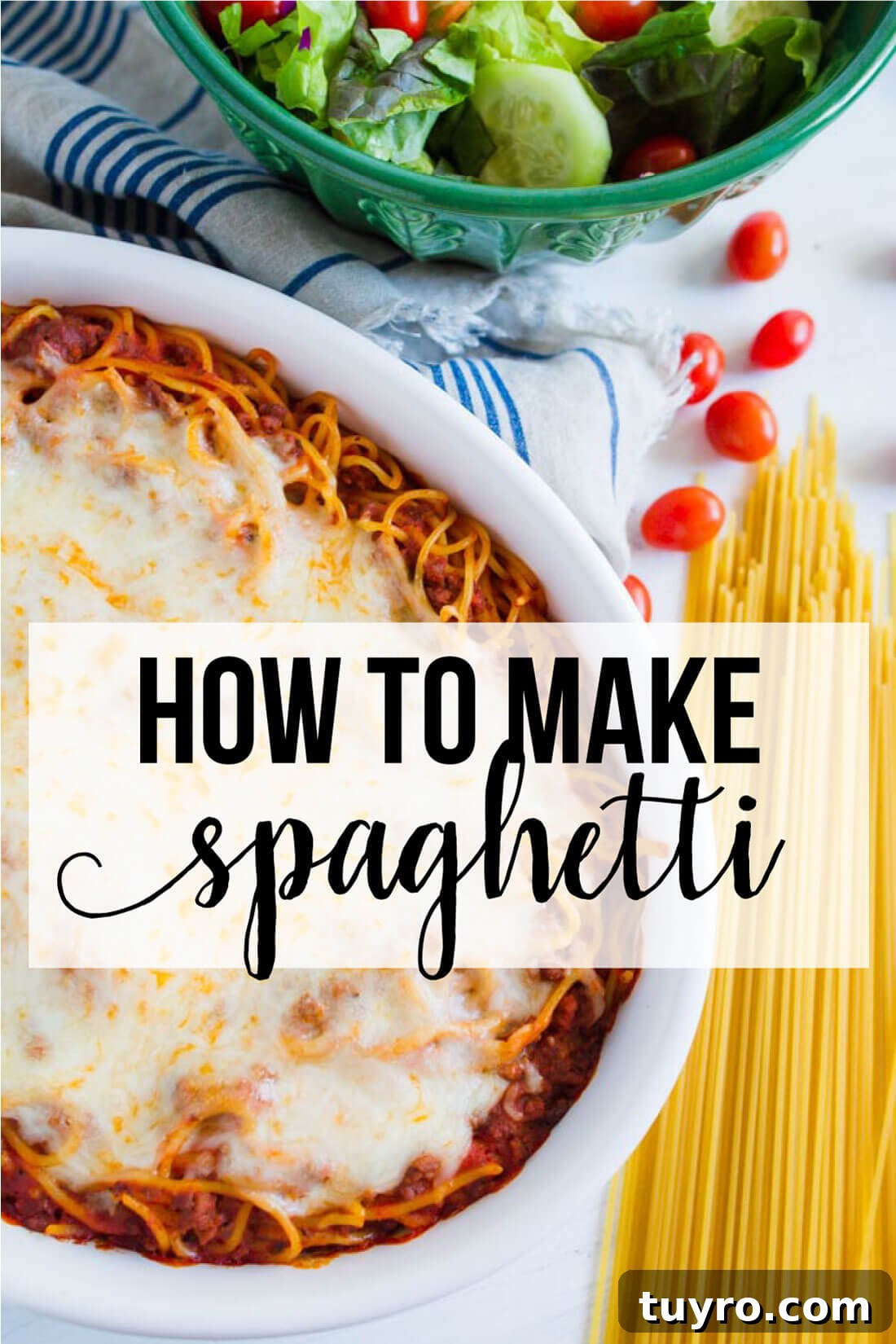
Learn how to make spaghetti with simple, reliable tips and recipes the whole family will enjoy.
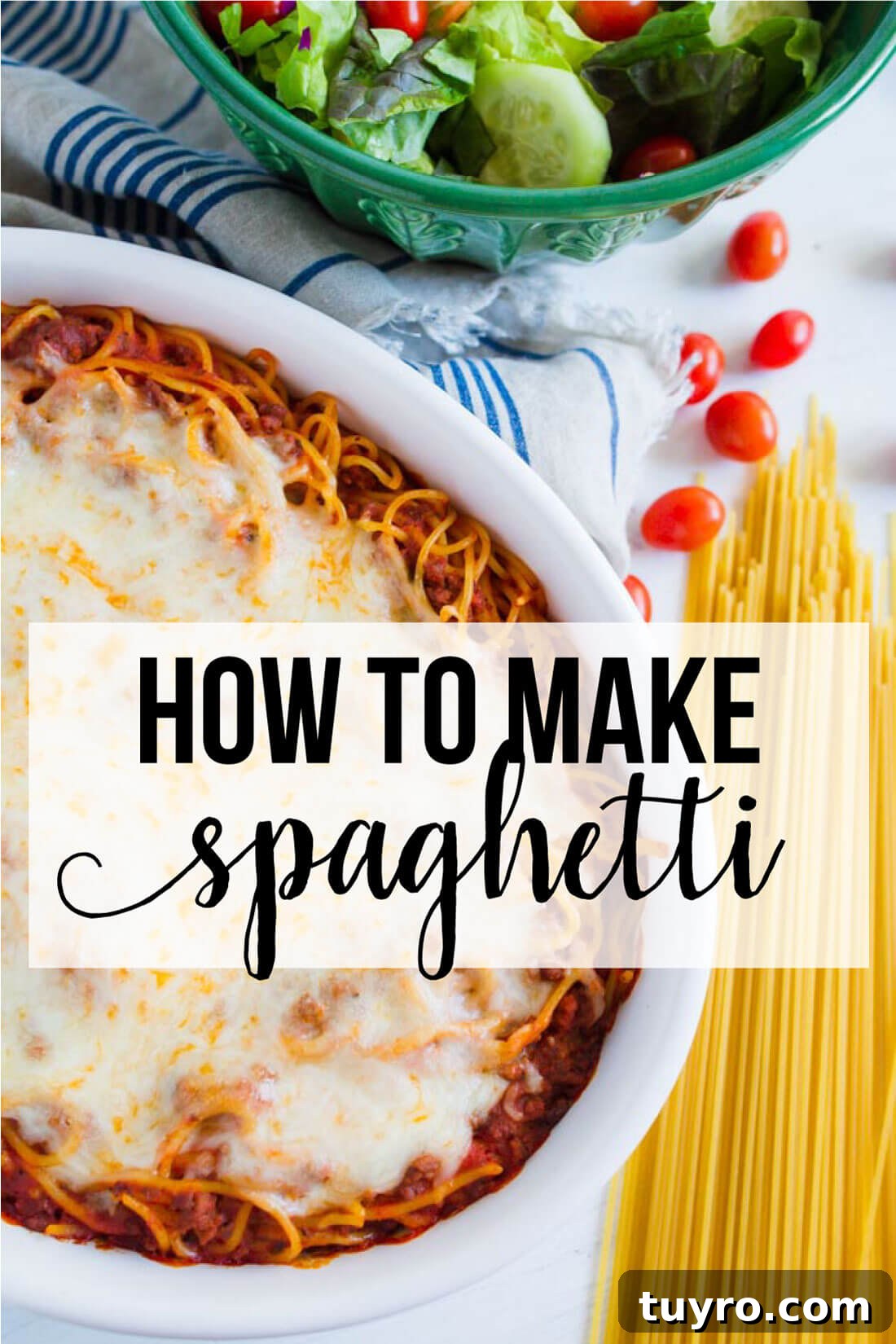
How to Make Spaghetti
Spaghetti is a classic weeknight dinner and a go-to for many families because it’s easy, versatile, and almost everyone likes it. There are many ways to prepare it, from a simple saucy bowl to baked casseroles and pies. Below are straightforward steps for perfectly cooked noodles, plus serving tips and a few variations to try.
- Choose your pasta: There are many brands and types. Buy what fits your budget and taste—regular, whole wheat, or gluten-free—and consider what’s on sale.
- Bring a large pot of water to a rolling boil.
Adding salt to the water seasons the pasta; some people add a splash of olive oil to reduce sticking, though that can make sauce adhere less effectively. A practical tip: lay a wooden spoon across the pot to help prevent boil-overs. - Add the spaghetti and reduce the heat slightly.
Stir occasionally while it cooks to keep the strands from clumping. Even with oil, periodic stirring is necessary. - Test for doneness.
Most prefer spaghetti cooked “al dente”—tender but still firm to the bite. Avoid overcooking, which makes pasta soggy and mushy. The old wall test is a playful trick, but the best method is tasting a strand a minute or two before the package’s recommended time. - Drain using a colander.
Avoid rinsing if you plan to mix the pasta with sauce right away; rinsing removes the starchy surface that helps sauce cling. If you did add oil, a quick rinse removes the sheen but also reduces sauce adherence. Serve pasta immediately when possible because it continues cooking from residual heat.
Serving guidelines: Most pasta packages are 8 oz or 16 oz. An 8 oz package yields about 4 cups of cooked spaghetti, which typically serves two to three people depending on appetites and side dishes.
Storage note: Uncooked spaghetti will keep up to a year if stored in a cool, dry place in an airtight container. For pantry pests or long-term storage, use sealed containers to protect the pasta.
Now for the fun part: what to do with your cooked spaghetti. You can make classic spaghetti and meatballs, baked spaghetti casseroles, spaghetti pie, or pasta-based dishes like turkey tetrazzini. Here are a few favorite directions and inspiration ideas:
- Baked spaghetti casseroles with cheese and meat.
- Spaghetti pie—pressed into a pan with eggs and cheese, then baked until set.
- Turkey or chicken tetrazzini—creamy, cheesy baked pasta with shredded poultry.
Other variations to explore: stuff cooked spaghetti into hollowed-out bread or rolls for fun “spaghetti boats,” or use a pressure cooker or Instant Pot to speed up the entire process when you need dinner in a hurry.
If you make your own sauce, even better—homemade marinara or meat sauce brings bright flavor. Store-bought sauces are convenient and can be excellent too; choose a brand you enjoy and keep a jar or two on hand for busy nights.
Basic pasta-serving tips:
- Reserve a cup of pasta cooking water before you drain; the starchy water helps loosen and bind the sauce when you mix the pasta and sauce together.
- Toss drained pasta with sauce in a hot pan for a minute to marry flavors and ensure the sauce clings evenly.
- Finish with a drizzle of good olive oil, fresh herbs, grated cheese, or crushed red pepper to taste.
Helpful tools for making spaghetti:
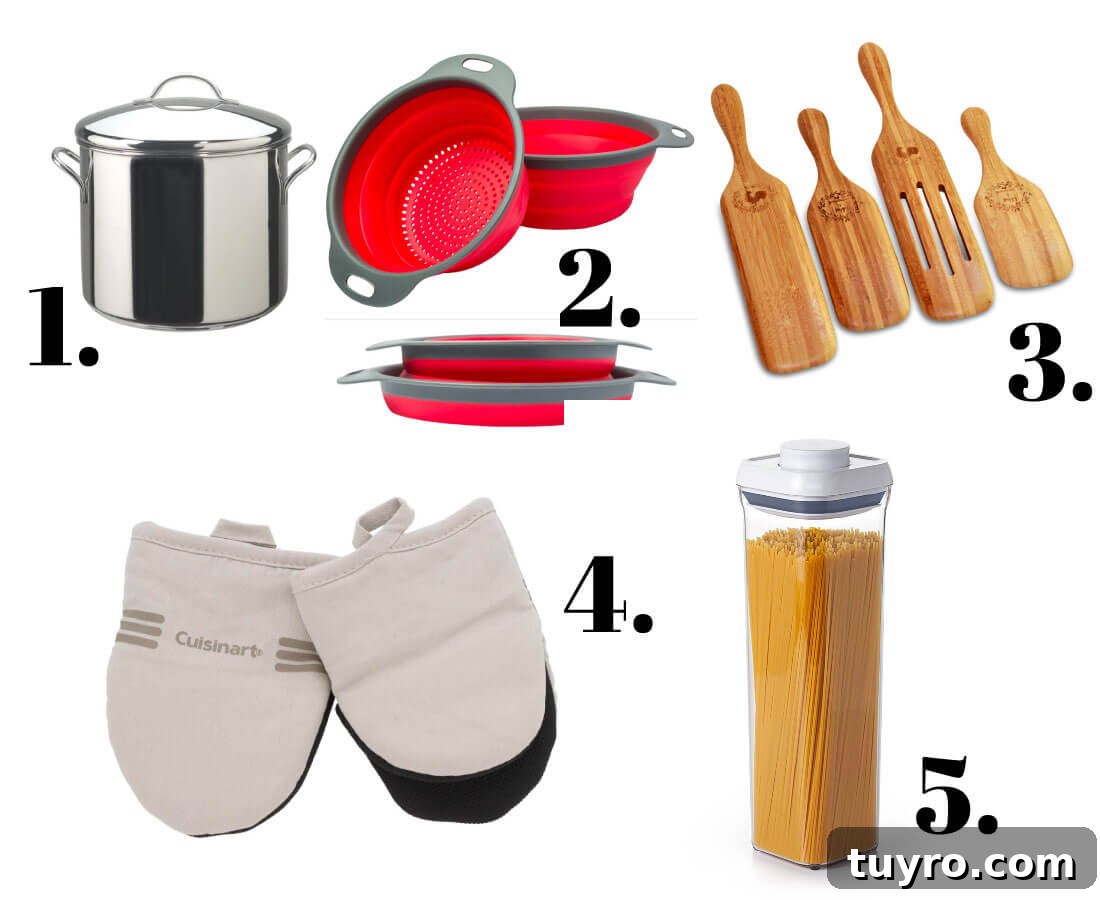
- Large, heavy-bottomed pot for boiling pasta evenly.
- A sturdy colander for quick draining.
- Reliable oven mitts to handle hot pots and pans safely.
- Wooden spoons or spurtles for stirring and serving—gentle on cookware and effective at preventing splashes.
- Airtight containers for storing dry pasta and keeping it fresh.
With these basics mastered, you can adapt spaghetti to suit any meal—keep it simple with butter and Parmesan, build a hearty meat sauce, or experiment with baked versions and one-pan dinners. Spaghetti is forgiving and versatile, making it a dependable choice for everyday cooking.