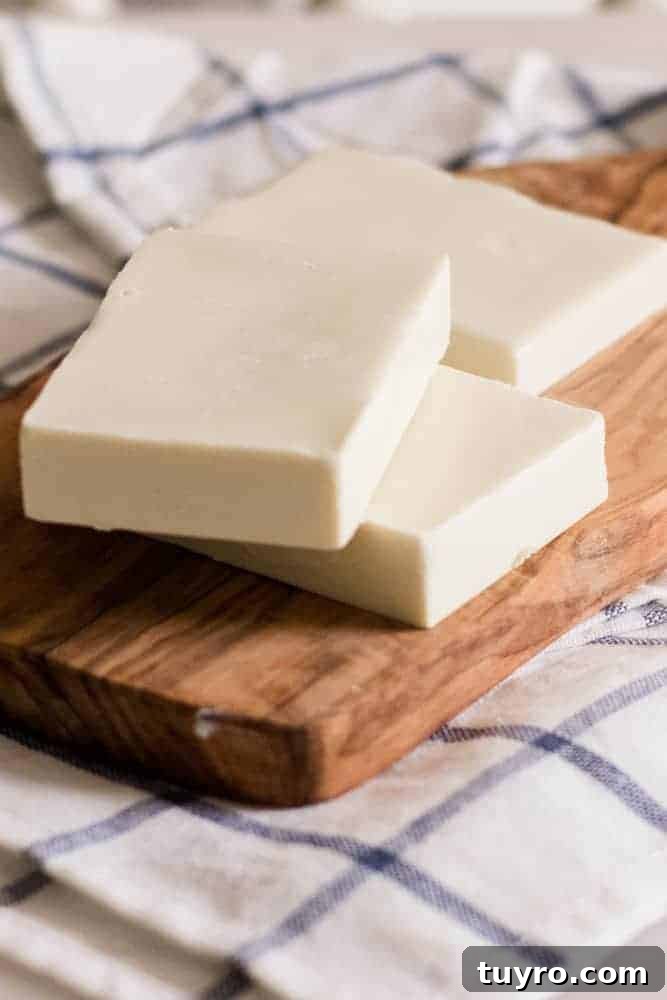
These DIY sunscreen lotion bars are easy to make with natural ingredients and provide a convenient way to apply sun protection, especially around the face and eyes.
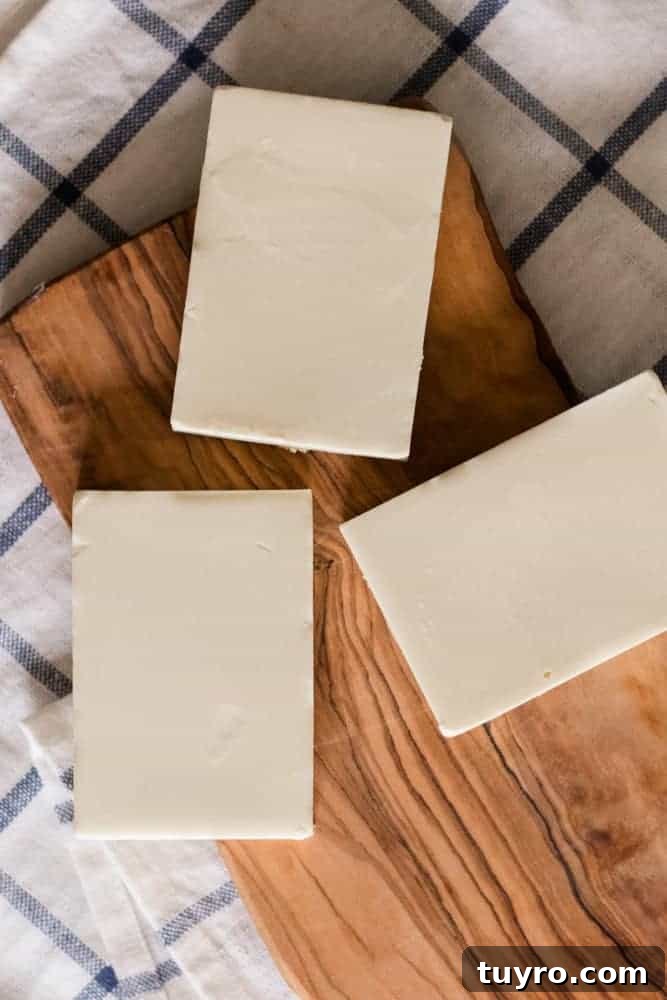
Making your own sunscreen may seem intimidating, but it’s simple and cost-effective. I make a large batch at the start of the season so I have bars ready for the whole summer. Solid bars are especially handy for kids and for quick reapplication without messy hands.
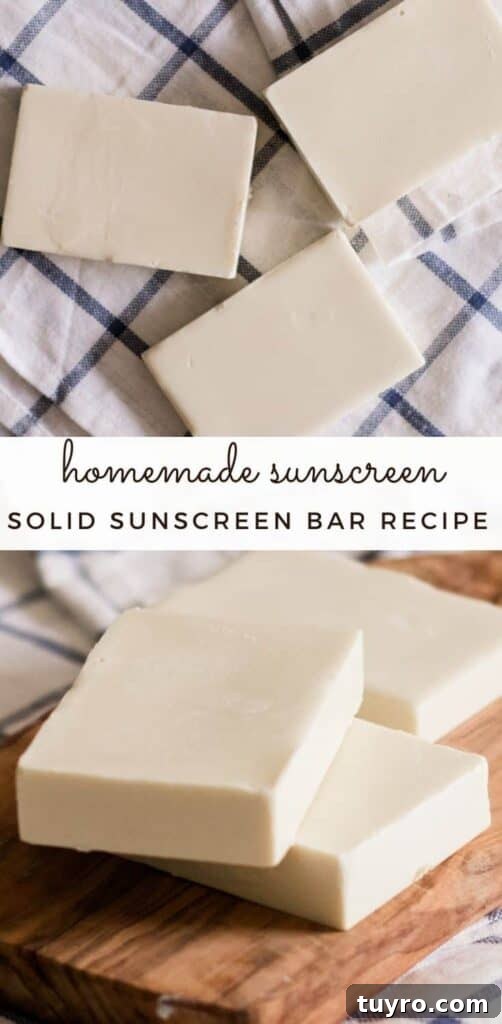
Coconut Oil Sunscreen Recipe
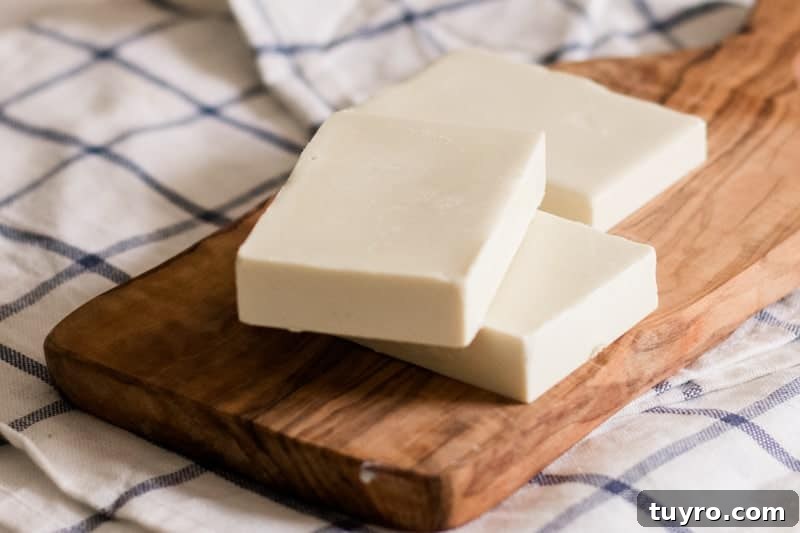
This sunscreen lotion bar uses coconut oil, cocoa butter, beeswax, and non-nano zinc oxide. These ingredients combine to create a moisturizing, solid sunscreen bar you can glide over the skin. The recipe uses equal parts coconut oil, cocoa butter, and beeswax, which makes scaling up or down straightforward. Stored in an airtight container, the bars can last about one year.
Non-nano zinc oxide provides the SPF. Adjust the zinc oxide amount to experiment with the level of protection you want. A silicone mold works best to form the bars because the finished bars pop out easily when cooled.
Homemade Sunblock Ingredients
- ½ cup coconut oil
- ½ cup cocoa butter
- ½ cup beeswax
- 4 tablespoons non-nano zinc oxide
- Optional: 8 drops essential oil (lavender or peppermint recommended)
Coconut Oil
Coconut oil has a small natural SPF (around 5) and offers antioxidant and moisturizing benefits. It helps condition skin, has mild antibacterial properties, and improves skin texture. If you prefer, you can omit coconut oil or substitute another carrier oil, but it contributes to the texture and skin benefits of the bars.
Cocoa Butter
Cocoa butter gives the bars a smooth texture and pleasant scent while helping to restore dry or chapped skin. It forms a protective layer and is deeply moisturizing. You can substitute mango butter or shea butter in equal parts if desired.
Beeswax
Beeswax solidifies the mixture into a bar and provides water-resistant properties by forming a protective barrier on the skin. It also helps soothe and protect dry or irritated skin through its natural antibacterial and anti-inflammatory qualities.
Non-nano Zinc Oxide
Non-nano zinc oxide is the active ingredient that provides broad-spectrum sun protection. The amount you add determines the approximate SPF of the final product; many homemade formulas fall in the SPF 15–25 range depending on concentrations. Because homemade sunscreens are not lab-tested, SPF values are estimates and may vary.
How to Make a Sunscreen Bar
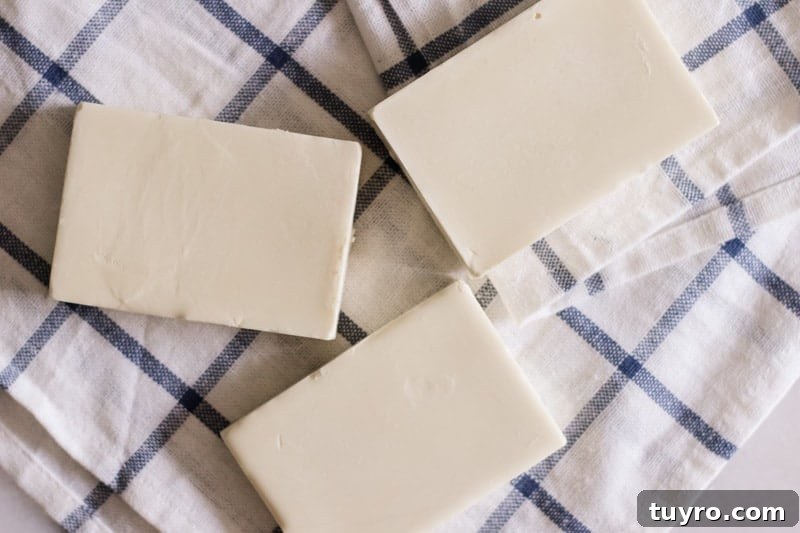
- Measure the coconut oil, cocoa butter, and beeswax and add them to a double boiler. A double boiler prevents scorching and helps the ingredients melt evenly.
- Heat over low to medium-low until everything is fully melted, then remove from heat.
- Stir in the non-nano zinc oxide until well combined and smooth. If adding essential oils, mix them in at this stage—about 5–8 drops per cup of mixture.
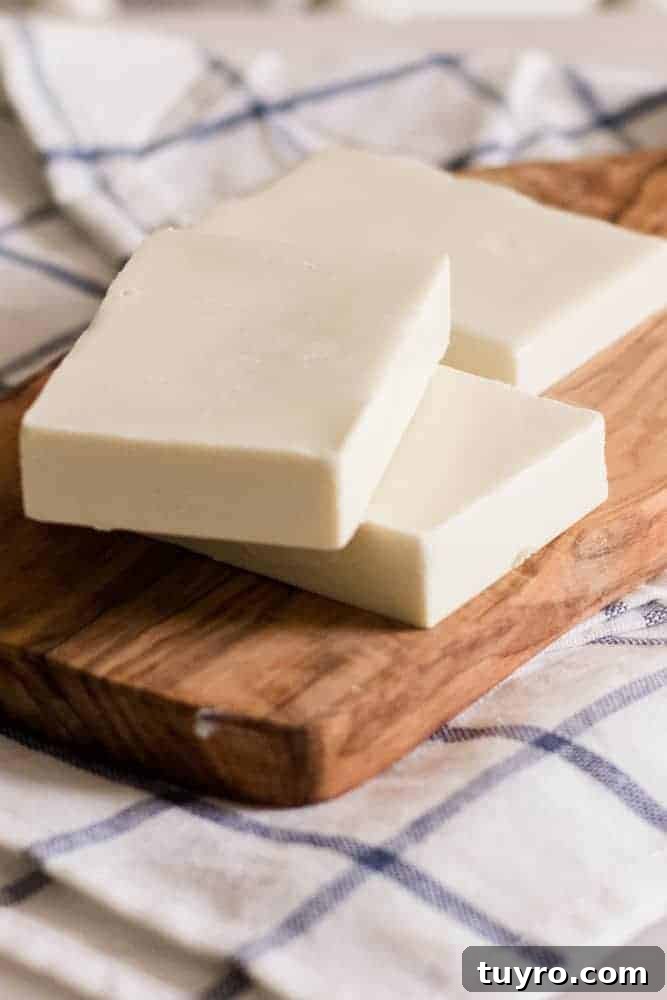
- Pour into silicone molds or a glass jar and allow to cool and harden. Store in an airtight container in a cool place for up to one year.
How Often to Apply Sunscreen
Application frequency depends on skin tone, time of day, activity, and how much zinc oxide the bar contains. Reapply more often if you’re swimming, sweating, or spending prolonged time in direct sunlight. Noon sunlight is stronger than morning or evening sun, so check and reapply accordingly.
Is Homemade Sunscreen Safe?
Homemade products differ from commercial ones because they typically lack lab SPF testing and standardized formulations. The benefit is avoiding synthetic preservatives and unwanted chemicals, but that comes with uncertainty about exact SPF and longevity in different conditions. If you choose to use homemade sunscreen, research ingredients carefully, test the product responsibly, and use additional sun-safety measures (hats, shade, limiting peak sun exposure).
Essential Oils in Sunscreen
You can add essential oils for scent and skin benefits, but avoid citrus oils because they can cause photosensitivity. Lavender is gentle and suitable for sensitive skin, while peppermint adds a cooling sensation. Add essential oils after removing the melted base from heat—about 5 drops per cup of mixture.
After sun exposure, follow up with a soothing after-sun lotion or spray to help moisturize and calm the skin.
If you try this recipe and like it, consider leaving feedback. These bars are a useful, natural option for everyday sun care, though they are not a replacement for professionally tested sunscreens in high-exposure situations.
What to Read Next
- How to use coconut oil for tanning
- How to limit chlorine exposure this summer
Sunscreen Lotion Bar Recipe
Equipment
- Double boiler
- Silicone molds
Ingredients
- ½ cup coconut oil
- ½ cup cocoa butter
- ½ cup beeswax
- 4 tablespoons non-nano zinc oxide
- 8 drops essential oils (optional)
Instructions
- Measure the coconut oil, cocoa butter, and beeswax and add to a double boiler.
- Heat over low to medium-low until fully melted, then remove from heat.
- Stir in the non-nano zinc oxide until well combined. Add essential oils now if using.
- Pour into molds or a jar and allow to solidify. Store in an airtight container for up to one year.
Notes
These bars are estimated to have an SPF around 20 depending on zinc oxide concentration. They do not replace professionally tested sunscreens for prolonged or intense sun exposure; use additional sun-safety measures when needed.
This recipe is provided for informational purposes. Readers should research and test products to determine what’s best for their situation.