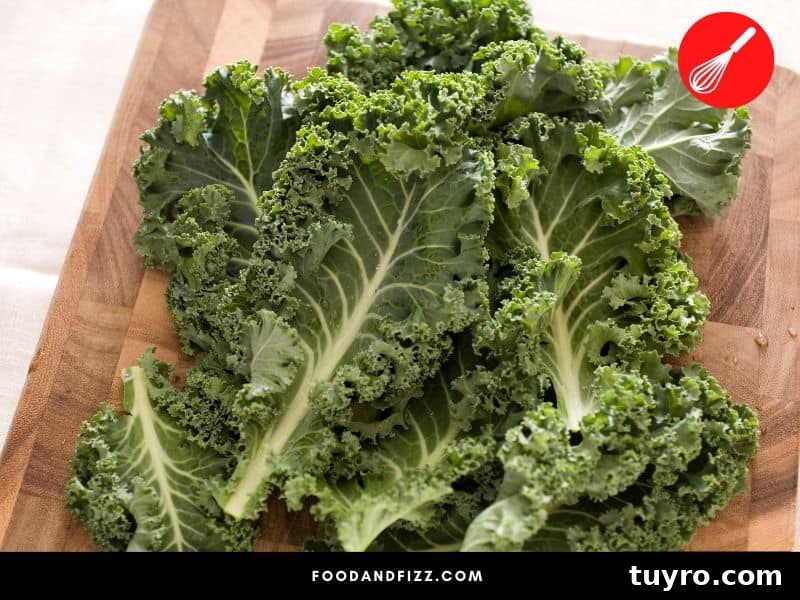
Kale is widely valued as one of the most nutrient-dense leafy green vegetables. It contains potassium, antioxidants, fiber, and vitamins A, B, and C, all of which support normal body function as part of a balanced diet.
Fresh kale is popular in salads, soups, smoothies, and cooked meals, but dried kale is also useful because it lasts longer in storage. Once dried, kale can be crushed into flakes or powder and added to recipes when fresh leaves are not available.
Table of Contents
How Many Kale Leaves Are In A Cup?
One large chopped kale leaf is usually close to one cup. If the kale leaves are medium-sized, you may need about two leaves to fill one cup. If the kale has been dried and crushed into powder, it may take around five large leaves to make one cup. The exact number depends on whether the kale is fresh, chopped, cooked, dried, or powdered.
How Much Is One Kale Leaf In Grams?
The weight of one kale leaf can vary quite a bit. There is no single exact weight because kale leaves are not all the same size, and their weight changes depending on how they are prepared. A fresh whole leaf will weigh more than a dried leaf, while chopped kale may settle differently in a cup because of the spaces between the pieces.
- Size: A large kale leaf weighs more than a medium or small leaf.
- Fresh or dried: Fresh kale contains water, so it is heavier. Dried kale is lighter because much of that water has been removed.
- Whole or chopped: Chopped kale may appear to take up more or less space depending on how tightly it is packed into the cup.
Because of these differences, it is best to treat kale measurements as estimates rather than exact figures. Still, the following measurements can help when preparing recipes:
- A large kale leaf may weigh about 72 grams, while smaller leaves may weigh closer to 45 grams.
- A kale leaf can lose up to 70% of its weight when dried. For example, a fresh 72-gram leaf may weigh about 21.6 grams after drying.
- When chopped, a whole kale leaf may lose about 6.5% of its weight, meaning a 72-gram leaf may weigh around 67.32 grams when chopped.
How Many Kale Leaves Makes Up a Cup?
The number of kale leaves needed to make a cup depends on the form of the kale. A cup of loose, raw chopped kale will not weigh the same as a cup of cooked kale, and powdered kale is measured differently again. If an average fresh kale leaf weighs about 58 grams, you can use the following estimates as a practical guide.
- A cup of chopped cooked kale weighs about 67 grams.
- A cup of chopped uncooked kale weighs about 50 grams.
- A cup of raw, unchopped kale leaves weighs approximately 80 grams.
- A cup of uncooked dried kale powder weighs about 46 grams.
In everyday cooking, this means one large fresh leaf may be enough for a cup when chopped. If the leaves are smaller, two leaves may be more realistic. For dried kale powder, the leaves shrink and become more concentrated, so several leaves are needed to fill the same cup.
What is the Amount of Nutrients in a Cup of Kale?
A cup of chopped cooked kale weighs about 67 grams and provides a wide range of nutrients and minerals. Kale is especially known for its fiber, vitamins, and minerals, which is why it is often included in healthy meals, soups, smoothies, and vegetable side dishes.
The following values show the approximate nutrients found in one cup of kale:
- Potassium – 170 mg
- Sodium – 18.9 mg
- Manganese – 0.6 mg
- Copper – 1.1 mcg
- Magnesium – 29.5 mg
- Iron – 1.0 mg
- Fiber – 4.5 g
- Energy – 42.5 g
- Protein – 3.5 g
- Vitamin C – 21 g
- Vitamin E – 1.9 mg
- Vitamin A – 172 mcg
- Vitamin K – 494 mcg
- Beta carotene – 2,040 mcg
- Zinc – 0.3 mg
- Phosphorous – 49.6 mg
These nutrients are among the reasons kale is considered a valuable leafy green. However, like any food, it is best enjoyed as part of a varied diet rather than eaten in excessive amounts.
How Many Cups of Kale Should I Eat Daily?
Kale is nutritious, but eating too much of any single food is not ideal. A common recommendation is to eat about two to three cups of kale per day. It is often better to spread this amount across different meals instead of eating it all at once.
For example, you might add kale to a morning smoothie, use it in a salad at lunch, and cook it with vegetables or soup in the evening. This makes it easier to enjoy kale without making your meals repetitive.
What Foods Go Well With Kale?
Kale can be eaten on its own, but it also pairs well with many other foods. Its slightly earthy flavor works in both cooked and raw dishes, and it can be used as a side dish, a smoothie ingredient, or part of a larger meal.
- Vegetables: Kale combines well with vegetables such as carrots and tomatoes. These additions can improve the flavor, texture, and color of a simple kale dish.
- Noodles: Kale can be served with noodles as a nutritious green addition. The amount you use can depend on the portion size of the noodles.
- Meat and potatoes: Kale works well with meat and potatoes. One option is to cook the potatoes until tender, add the kale, and then mix in already cooked meat while continuing to heat the dish.
- Soups: Kale is a good addition to bean soups and vegetable soups because it softens as it cooks while still adding flavor and nutrients.
- Fruits: Kale can be blended into smoothies with fruits such as bananas or berries. This is a simple way to include raw kale in a drink.
Frequently Asked Questions About How Many Kale Leaves Are In A Cup
How Many Kale Cups Can I Eat in a Day?
Two to three cups of kale per day is a reasonable amount for many people. It is best to enjoy kale with other foods and spread it across different meals.
How Can I Make Kale Powder?
Wash the kale thoroughly, dry it for about three days, and then crush the dried leaves with a mortar and pestle until they become a fine powder.
Can I Eat Uncooked Kale?
Yes, kale can be eaten uncooked. Raw kale can be blended with fruits and vegetables to make smoothies, or it can be chopped and added to salads.
Conclusion to How Many Kale Leaves Are In A Cup?
The number of kale leaves in a cup depends mainly on the size of the leaves and how the kale is prepared. One large chopped kale leaf may be enough to make one cup, while two medium leaves may be needed for the same amount.
If the kale is dried and powdered, it may take about five large leaves to fill one cup. Since kale changes weight and volume when chopped, cooked, dried, or crushed, these measurements should be used as helpful estimates rather than exact rules.