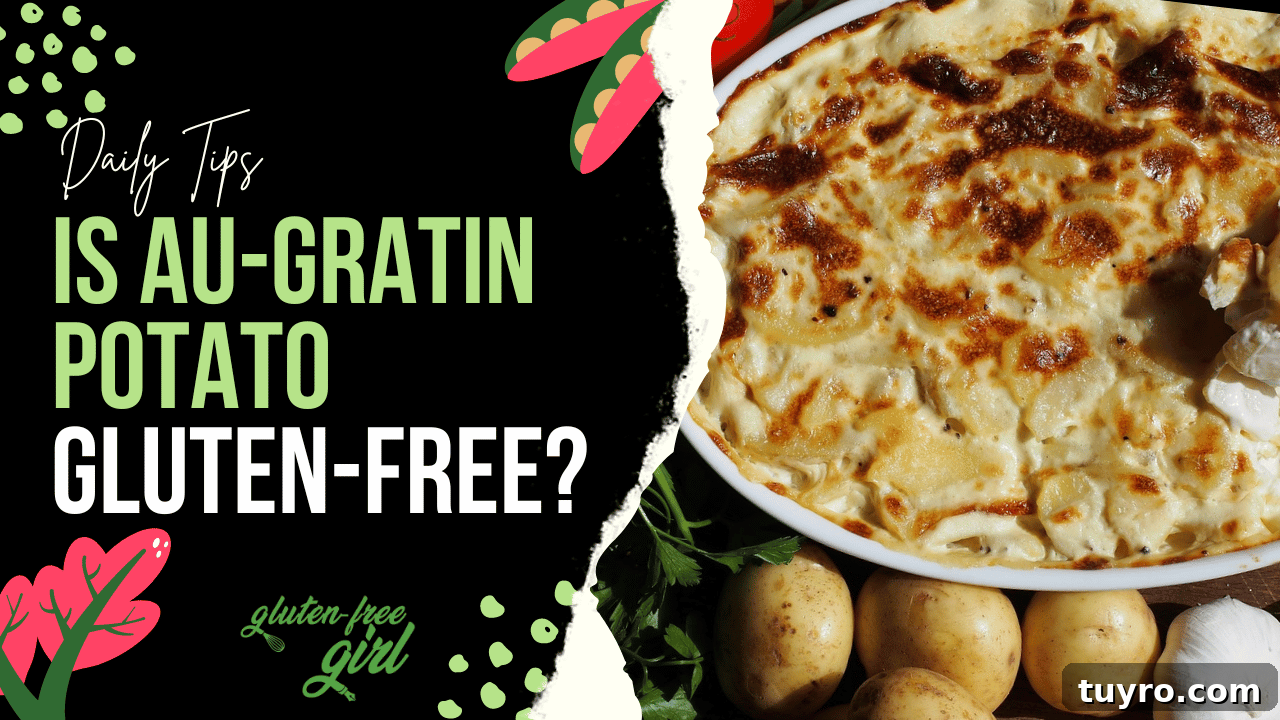
Yes, au gratin potatoes are gluten-free. Traditional au gratin potatoes are made from thinly sliced potatoes layered with cream, cheese, butter, and seasonings, then baked until tender and golden. Since the basic ingredients do not include wheat, barley, or rye, a properly prepared au gratin potato dish is naturally gluten-free.
Understanding that au gratin potatoes can be gluten-free is important for people with gluten-related disorders. Celiac disease, for example, is an autoimmune condition triggered by gluten ingestion that damages the small intestine and requires strict lifelong avoidance of gluten. Those with non-celiac gluten sensitivity also benefit from gluten-free options. When au gratin recipes use only naturally gluten-free ingredients and avoid cross-contamination, they offer a safe, flavorful choice for people who must or choose to avoid gluten.
Many people follow gluten-free diets for health reasons, symptom relief, or personal preference. Some dietary approaches, like certain interpretations of the Paleo diet, avoid grains altogether and adapt classic recipes by substituting dairy or thickeners with paleo-friendly or gluten-free alternatives (for example, using almond milk or cashew-based cheeses). With simple swaps—gluten-free flour, cornstarch, or potato starch as thickeners and certified gluten-free breadcrumbs or no topping—au gratin potatoes can fit a wide range of dietary needs.
Au gratin potatoes differ from mashed potatoes in preparation and texture, but both can be gluten-free. Mashed potatoes are made by boiling and mashing tubers with butter, milk, or cream. Au gratin potatoes are thinly sliced and layered with creamy, cheesy sauce before baking to achieve a gratin-style crust. Both dishes rely on the same naturally gluten-free base—potatoes—but the au gratin’s sauce or breadcrumb topping is where gluten risks most often arise.
Can a gluten-sensitive individual eat au gratin potatoes?
Yes. People with non-celiac gluten sensitivity can usually eat au gratin potatoes as long as the recipe and preparation avoid gluten-containing ingredients and cross-contamination. The key is ensuring any thickeners, seasonings, prepared sauces, or toppings are certified gluten-free. For those with celiac disease, the same precautions apply, but with stricter attention to ingredient sourcing and kitchen hygiene to prevent intestinal damage from even trace amounts of gluten.
Common sources of gluten in au gratin dishes are wheat-based roux, flour-thickened sauces, and conventional breadcrumbs. Replacing wheat flour with rice flour, cornstarch, or potato starch and using certified gluten-free breadcrumbs (or omitting the topping) removes these risks. When in doubt about a packaged product or instant mix, check the label for a gluten-free declaration or contact the manufacturer for clarification.
What gluten-free ingredients can you add to au gratin potato?
Below are safe, gluten-free ingredient options suitable for au gratin potatoes:
- Potatoes: Naturally gluten-free and the main ingredient.
- Cream or Milk: Dairy is gluten-free; plant milks are fine if labeled gluten-free.
- Cheese: Most natural cheeses are gluten-free; verify labels for additives.
- Butter: Pure butter is gluten-free and adds richness.
- Salt and Pepper: Naturally gluten-free seasonings.
- Garlic and Herbs: Fresh or dried herbs (thyme, rosemary, etc.) are safe when free of cross-contamination.
- Gluten-Free Flour/Starch: Rice flour, cornstarch, or potato starch to thicken sauces.
- Gluten-Free Breadcrumbs: Certified gluten-free breadcrumbs or crushed gluten-free crackers for a topping.
- Onions: Sliced or sautéed for added flavor.
- Cooking Oil or Spray: Use clean, dedicated oil containers to avoid contamination.
How to keep au gratin potatoes gluten-free
Follow these practical steps to maintain a gluten-free au gratin:
- Use only certified gluten-free packaged ingredients and verify labels for any hidden gluten sources (modified food starch, malt, hydrolyzed proteins).
- Choose gluten-free thickeners like cornstarch or rice flour instead of wheat flour.
- Designate separate cutting boards, utensils, and bakeware for gluten-free cooking or thoroughly clean shared equipment before use.
- Avoid shared containers of butter, oil, or spreads that might have crumbs from gluten-containing foods.
- Prepare dishes on clean countertops and use fresh towels/sponges to reduce cross-contact risk.
- Place gluten-free dishes on higher oven racks when baking alongside gluten-containing items to prevent drips.
- Label gluten-free dishes clearly when serving to prevent accidental contamination.
Cross-contamination is a common source of gluten exposure—examples include using a cutting board that recently held bread or a spoon that stirred a wheat-based sauce. Taking preventive measures ensures that au gratin potatoes remain safe for those who need a strict gluten-free diet.
Are au gratin potatoes with butter gluten-free?
Yes. Butter itself is gluten-free. Combined with gluten-free potatoes, cheese, and dairy, au gratin potatoes made with butter are safe—provided other ingredients and preparation are free from gluten and cross-contamination is avoided.
Are au gratin potatoes with meat gluten-free?
Not automatically. While plain meats are gluten-free, many meat preparations include gravies, marinades, or processed ingredients that contain wheat-based thickeners or fillers. To keep a meat-topped au gratin gluten-free, use plain, unseasoned meat or prepare sauces with gluten-free thickeners and verified gluten-free seasonings.
Are au gratin potatoes with milk gluten-free?
Yes. Milk is naturally gluten-free. Au gratin potatoes made with milk are gluten-free as long as any additional ingredients—cheeses, thickeners, or seasoning blends—are gluten-free and cross-contamination is prevented.
Is au gratin potato with cream cheese gluten-free?
Yes. Cream cheese is typically gluten-free. Ensure all other ingredients and any packaged additions are gluten-free, and maintain careful kitchen practices to prevent cross-contact.
How can au gratin potatoes contain gluten?
Gluten can be introduced in several ways: using wheat flour to thicken the sauce, applying traditional wheat-based breadcrumbs as a topping, or through cross-contamination with shared utensils, surfaces, or cookware. To avoid gluten, swap wheat flour for gluten-free alternatives, choose certified gluten-free toppings, and follow strict hygiene and separation practices in the kitchen.
How can cross-contamination with gluten be prevented when preparing au gratin potatoes?
To prevent cross-contamination:
- Use separate, clearly marked tools, cutting boards, and cookware for gluten-free preparation.
- Thoroughly clean surfaces and utensils before starting and between tasks.
- Check labels for gluten-free certification and avoid shared containers that may hold crumbs.
- Wash hands frequently and avoid touching gluten-containing foods while preparing the gluten-free dish.
- When baking multiple dishes, place gluten-free items on upper racks and use dedicated pans if possible.
Strict prevention practices are essential for people with celiac disease, since even small exposures can cause harm.
How to tell if au gratin potato products are gluten-free?
Read ingredient lists on packaged products and look for specific mentions of wheat, barley, rye, or terms like malt or brewer’s yeast. Prefer products with an explicit “gluten-free” label or certified emblem. If labeling is unclear, contact the manufacturer to confirm ingredients and production practices. When preparing at home, verify that all components—cheese, cream, seasonings, and any convenience ingredients—are gluten-free and follow safe kitchen methods to avoid cross-contamination.
Are instant au gratin potato mixes gluten-free?
Some instant mixes are gluten-free and some are not. Always check the product packaging for a gluten-free statement and read the ingredient list. If there is no clear gluten-free labeling, assume the product may contain wheat-based thickeners and verify with the manufacturer before use.
Are au gratin potatoes the same as mashed potatoes in terms of gluten?
Both dishes can be gluten-free, but they are different preparations. Mashed potatoes are typically boiled and mashed with butter and milk or cream. Au gratin potatoes are layered and baked with a creamy sauce and often topped with cheese or breadcrumbs. The au gratin’s sauce and topping are where gluten risks usually appear, so ingredient choices determine the gluten status of each dish.
Au gratin potato products to avoid
Be cautious with packaged or prepared au gratin products that lack clear gluten-free labels; these often contain wheat-based thickeners or conventional breadcrumbs. Frozen or instant mixes without gluten-free certification can pose a risk of gluten content or cross-contamination. When dining out, ask about ingredients and preparation methods, as shared equipment and surfaces can introduce gluten. Preparing au gratin potatoes at home with verified gluten-free ingredients and careful kitchen practices is the safest option for people with celiac disease or severe gluten sensitivity.